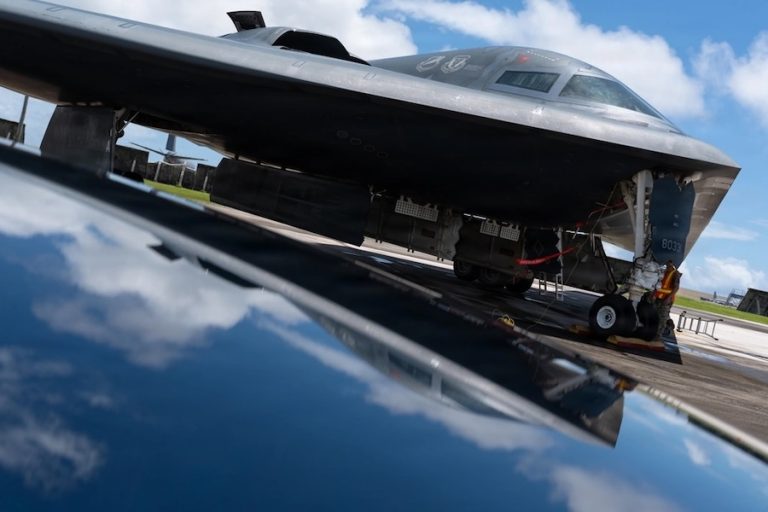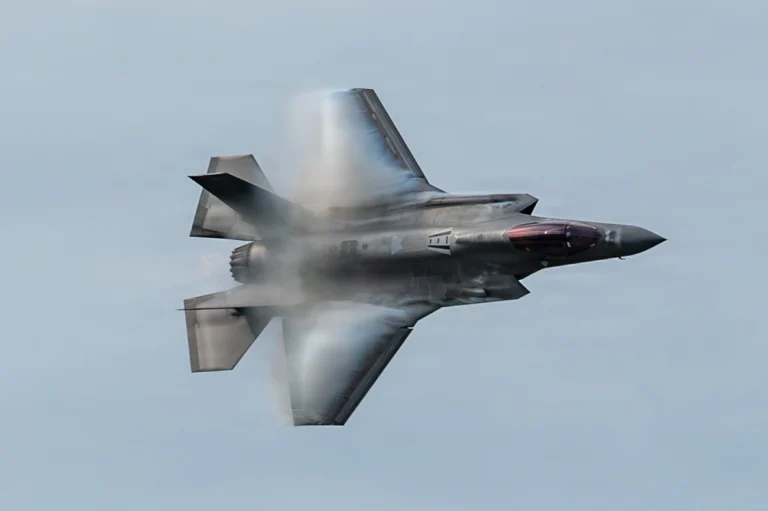

The Jerusalem Post, citing Walla, said Israel’s Defense Ministry and military intend to examine U.S. policy toward the F-47 while continuing procurement efforts for F-35 and F-15 fighters. Officials want to determine whether Washington’s approach will differ from its longstanding ban on foreign sales of the F-22 Raptor.
The possibility of allied participation gained attention after senior White House officials indicated that Japan might be allowed to join the program. Israeli defense officials are unsure whether the comments reflected a policy shift or a diplomatic signal linked to tensions with China.
The F-47 is being developed under tight secrecy and is expected to use a new engine. The report said the propulsion system faces development challenges linked partly to requirements set by the U.S. Defense Department.
Design targets include an operational range of at least about 2,000 kilometers and a larger weapons payload than the F-35, according to the report. That range would be comparable to the distance required for Israeli operations involving Iran, Iraq and Houthi targets in Yemen.
The aircraft is also expected to use advanced artificial intelligence and carry internal systems that include drones. Western experts have suggested that certain configurations may support remote operation of the entire aircraft.
U.S. requirements place added emphasis on connectivity with systems in the air, at sea, on land and in space. The program also prioritizes aerodynamic performance, stealth and lower maintenance costs than the F-22 and F-35.
The eventual unit price will depend on the size of the U.S. order and Washington’s policy on foreign participation. The F-47 is expected to begin flight testing in 2028, The Jerusalem Post said, citing U.S. media reports.
Source: The Jerusalem Post.