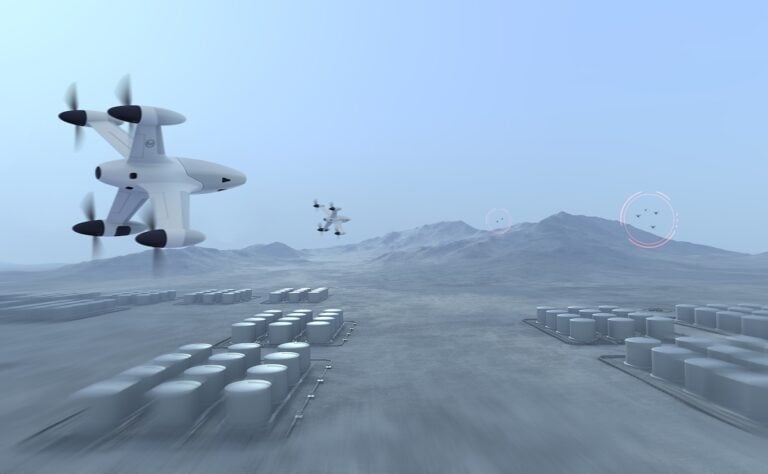

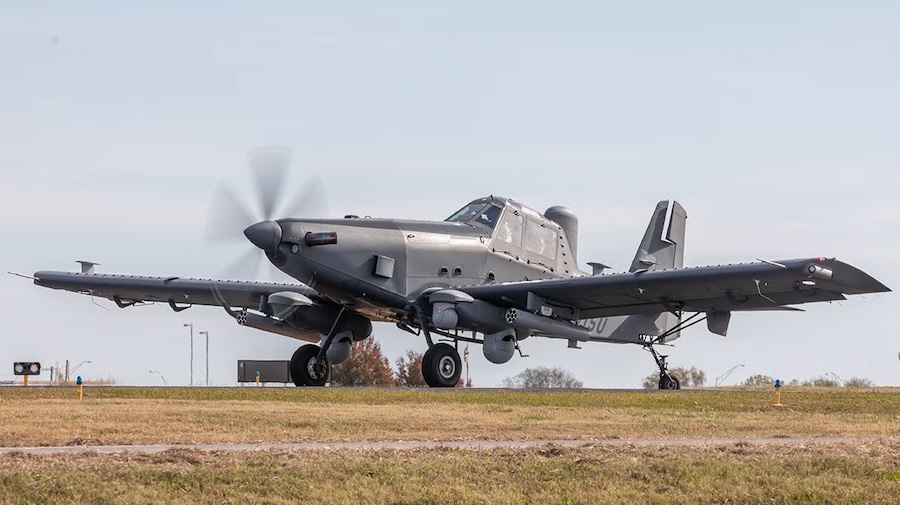
The aircraft is intended to fill the operational gap between unmanned systems and advanced combat jets. It provides an onboard human decision-maker, a persistent armed presence and the ability to conduct an immediate precision response without using fighter capacity.
Under L3Harris’ mixed-fleet concept, fighter aircraft would remain available for air defence, advanced training and high-end strike operations. Sky Raider II International would handle missions such as counter-smuggling patrols and precision attacks against small targets.
L3Harris said the aircraft would complement rather than replace fourth- and fifth-generation fighters. Moving lower-demand missions to the platform could preserve fighter flight hours, reduce operating cycles and extend fleet service life.
The company also expects the approach to reduce airframe fatigue, avionics wear, engine and landing cycles, maintenance workloads and personnel requirements. Sky Raider II International requires two mechanics, while fighter pilots can be dual-qualified to fly it.
Designed for remote locations and unimproved runways, the aircraft offers up to eight hours of endurance. It has a payload capacity of 6,000 pounds distributed across 11 hard points.
The integrated cockpit combines flight and mission systems on a single display to reduce crew workload and fatigue. L3Harris said the configuration is also intended to support faster operational decisions.
The aircraft’s modular architecture supports the integration of Red Wolf kinetic launched effects for long-range precision strikes. It can also carry Green Wolf for electronic warfare, electronic attack and electronic support missions, with up to five hours of loiter time and a 250-nautical-mile combat radius.
L3Harris’ WESCAM MX-Series electro-optical and infrared sensors provide additional surveillance, target-acquisition and designation capability. The systems are designed to support operations at medium and high altitudes.