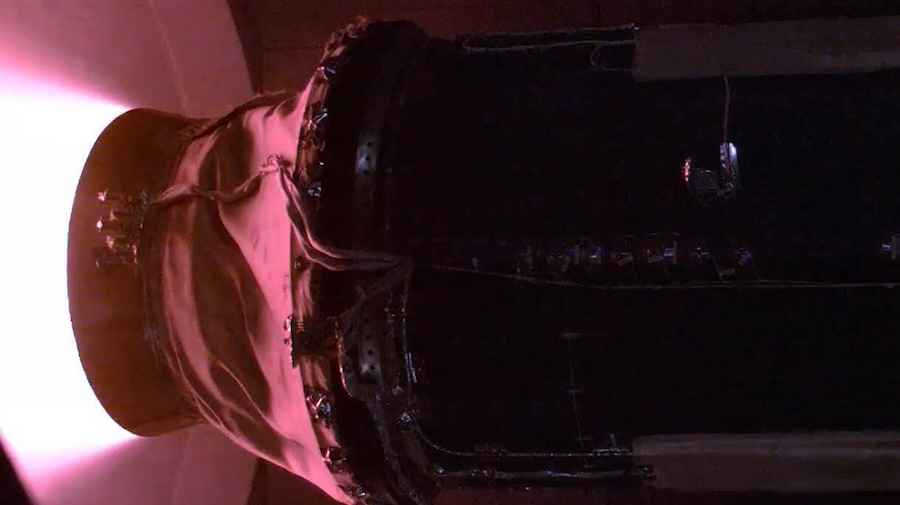
The L3Harris-built solid rocket motor completed a full-duration burn inside a high-vacuum chamber. The test environment replicated conditions the interceptor is expected to encounter during its future missile defense mission.
Lockheed Martin said the firing confirmed thrust, chamber pressure and combustion stability. The test also demonstrated the motor’s ability to withstand the thermal and pressure stresses expected during interceptor missions.
“This successful static fire test is a significant milestone on the path to the Critical Design Review and confirms our confidence that the NGI motor will meet the demanding performance envelope required for fielding by 2030,” said Christopher Jewell, Lockheed Martin NGI vice president. “The data gathered will directly inform the final interceptor design and accelerate integration with the Ground-Based Midcourse Defense architecture.”
NGI is being developed to strengthen the Ground-Based Midcourse Defense architecture against ballistic missile threats to the United States. Lockheed Martin leads the interceptor program, while L3Harris is the primary propulsion and control systems provider.
L3Harris is producing the Stage 1 and Stage 2 advanced large solid rocket motors that propel the interceptor. The company also supplies the Attitude Control System and Divert and Attitude Control System used for precise maneuvering and engagement.
“NGI is critical to the security of the United States and will serve as a cornerstone of our homeland missile defense once deployed,” said Scott Alexander, President, Propulsion Systems, Missile Solutions, L3Harris. “This successful hot-fire test demonstrates L3Harris’ commitment to delivering dependable, high-performance propulsion systems, and we will continue to execute to support NGI’s first flight test.”
Lockheed Martin is also investing millions of dollars in new and expanded manufacturing capacity in Alabama for NGI. The investment includes production lines, tooling, plant layouts and advanced manufacturing techniques designed to support future production demand.
L3Harris manufactures the interceptor’s advanced large solid rocket motors in Alabama and Arkansas. Its ACS and DACS components are produced in California and Virginia.
Lockheed Martin said NGI uses a digital development approach that can shorten design, fabrication and validation cycles from years to months. Data from the Stage 2 firing will now support final interceptor design work, integration and further testing ahead of the planned first flight test.