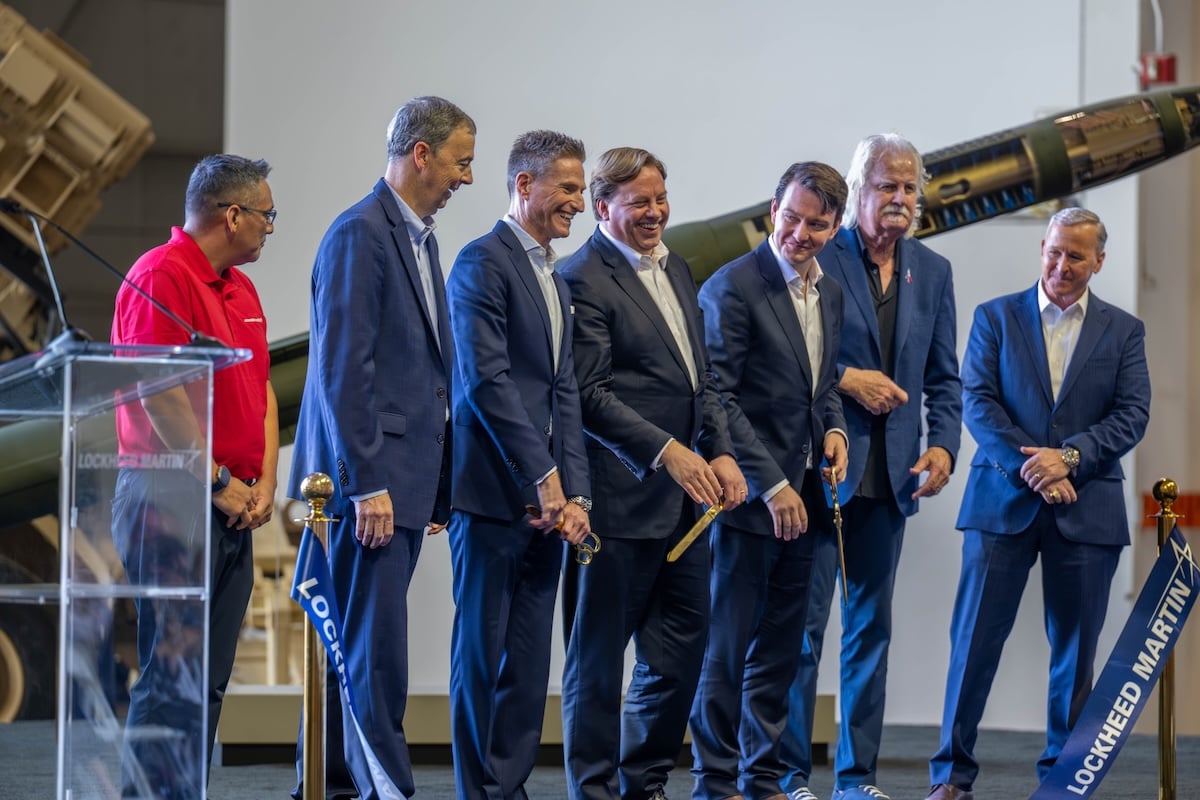
The Texas project will add manufacturing space and equipment for automation, digital production and precision machining. Hadrian will supply a 24-machine automated cell, expected to be operational in early 2027 and run by Lockheed Martin’s production workforce.
Lockheed Martin did not give a hiring timetable or say how many of the new Texas jobs would be at Grand Prairie. Nearly 800 production employees currently work at the facility, which manufactured 250,000 parts in 2025.
The expansion will bring the site’s manufacturing footprint to more than 735,000 square feet. It includes 100,000 square feet of new space and 85,000 square feet of offices being converted for manufacturing.
More than 30 additional high-precision machines installed in recent months are already producing thousands of components each week. The company expects to have added nearly 100 advanced machines at Grand Prairie by the end of 2026.
“Lockheed Martin has brought together commercial speed and combat-proven performance because America needs both,” said Jim Taiclet, the company’s chairman, president and chief executive. “By combining advanced technology with the expertise of our American workforce, we’re transforming manufacturing to deliver critical munitions at speed and scale.”
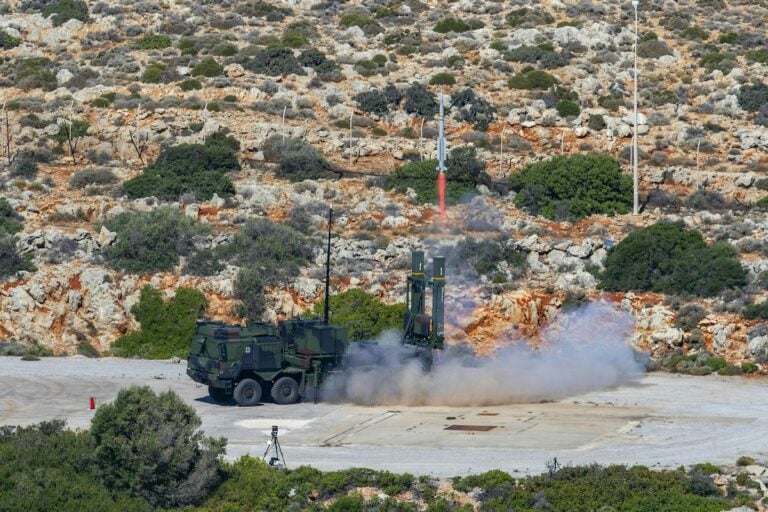
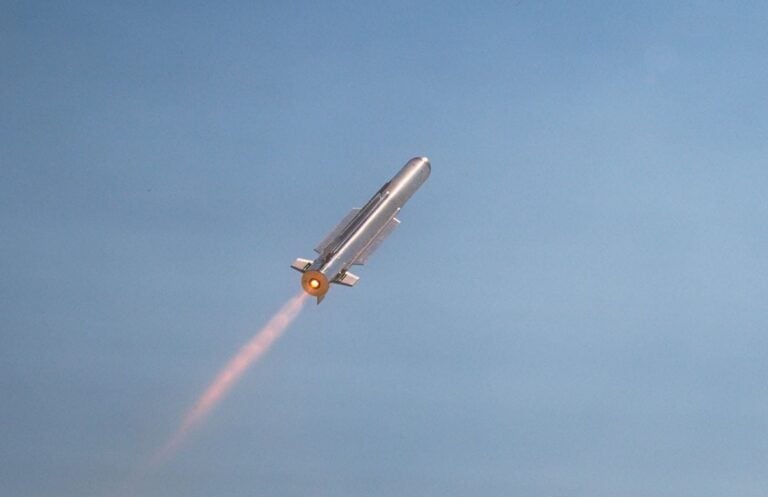
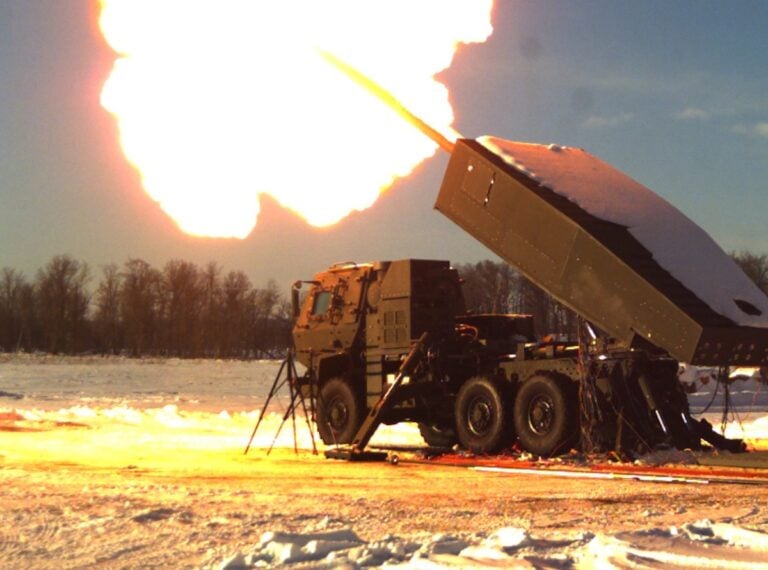
Grand Prairie supplies components for Missiles and Fire Control programs, including PAC-3 MSE, THAAD, PrSM and JATM. Its output supports final-assembly sites including Camden, Arkansas, and Troy, Alabama.
Lockheed Martin’s wider investment commitment covers modernization or expansion of more than 20 U.S. facilities through 2030. The company is also working with GM Defense to apply automotive manufacturing expertise to defense production.
“This expansion is more than just a new facility; it is a stronger supply chain and a more resilient industrial base,” said Michael P. Duffey, Under Secretary of War for Acquisition and Sustainment. “Today in Grand Prairie, American industry is answering the call to support our warfighters.”
The company said agreements for PAC-3 MSE, THAAD, PrSM and JATM provide greater certainty for investment in personnel, equipment and supply chains. Those arrangements, developed with Department of War leadership, are intended to support faster production and deliveries.