
“Deterrence is only as credible as the capabilities behind it,” Warden said. She argued that preserving the nuclear triad’s role requires capabilities suited to current and future security threats and technological conditions.
“For decades, America’s nuclear triad has played a vital role in deterring nuclear aggression and protecting our nation and our allies,” she said. “Preserving that deterrent for the decades ahead requires us to modernize capabilities for a very different security and technological environment today and into the future.”
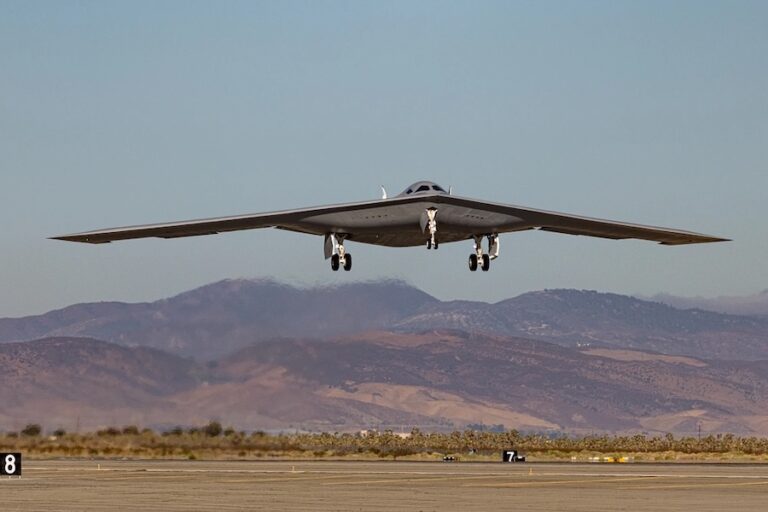
Warden said Northrop Grumman was accelerating modernization through Sentinel and the B-21, with progress supported by work across government and industry. She linked those efforts to maintaining the military capabilities needed to deter aggression.
“Ultimately, these efforts serve a larger purpose: ensuring the United States has the capabilities needed to sustain the strength, readiness and technological advantage necessary to deter aggression and preserve peace,” she said. Her comments addressed the strategic purpose of the programs without providing new development milestones.
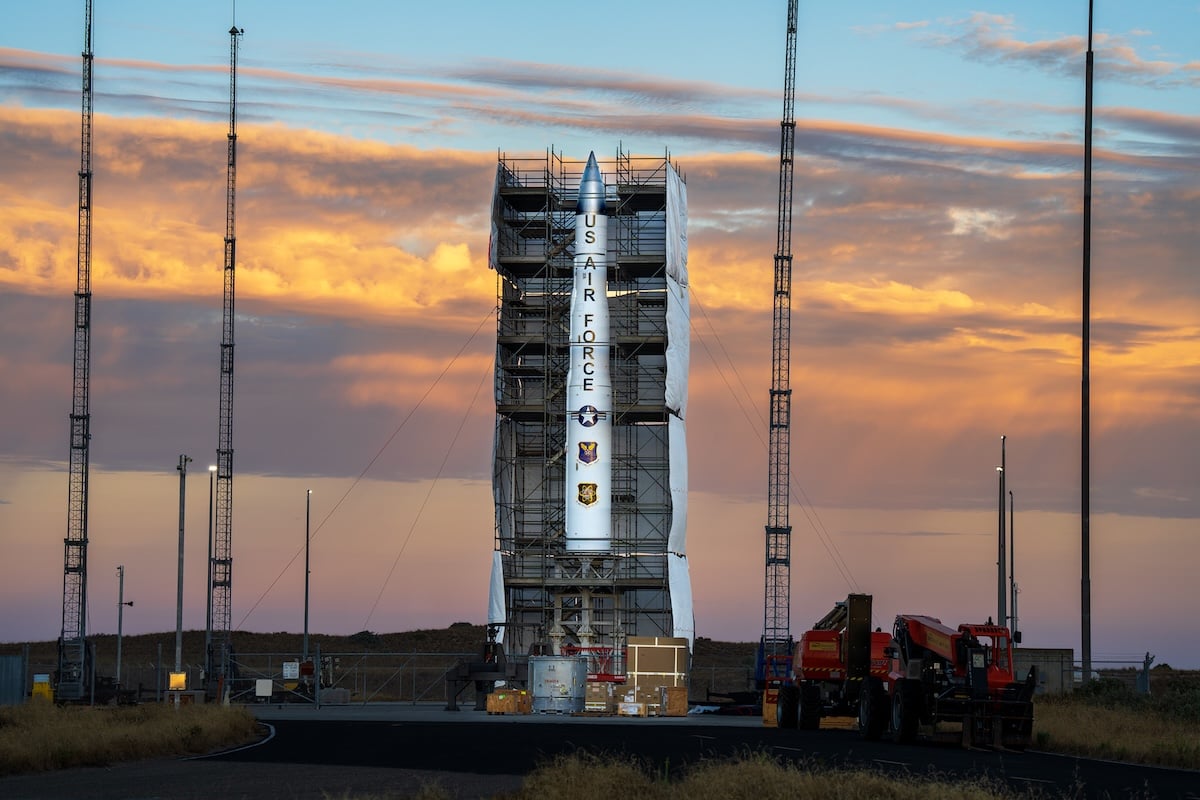
In September, Northrop Grumman said it and the U.S. Air Force had fully assembled the Sentinel missile in its vertical operational orientation. The company said the assembly demonstrated the missile’s design and integration and marked a step toward evaluating its suitability for flight testing in 2027.
Sentinel is intended to modernize the ground-based leg of the U.S. strategic nuclear triad, with initial capability planned for the early 2030s. Northrop Grumman leads more than 500 partners under an engineering and manufacturing development contract to deliver a weapon system intended to remain viable through 2075.