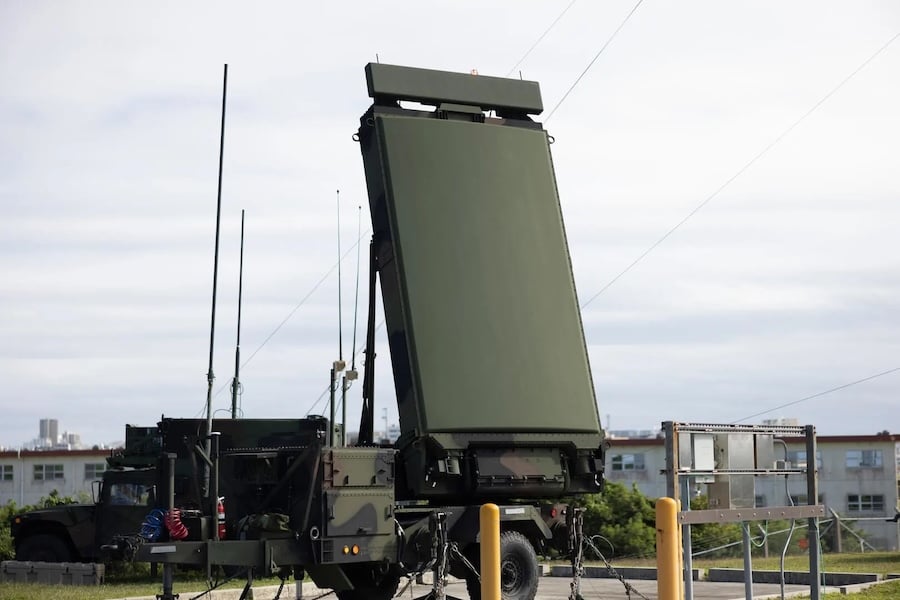
G/ATOR is a mobile active electronically scanned array radar that provides real-time, 360-degree coverage at long range. It is designed to detect, identify and track airborne threats while providing targeting information to support a response.
The system combines five radar functions in a single platform, reducing the equipment and logistics required to perform several missions. It can support air surveillance, air defense and fire-control tasks simultaneously in all weather conditions.
Northrop Grumman developed the radar to give deployed forces a common picture of activity across the battlefield. Its rapid tracking and cueing functions are intended to shorten response times against conventional and emerging threats, including uncrewed aircraft.
Mobility is central to the design. G/ATOR can be set up or packed away quickly and transported by fixed-wing aircraft, helicopter or truck as forces relocate.
The radar is already in operational service and Northrop Grumman describes it as battle-tested. Deliveries to the Marine Corps and Air Force are continuing under the current 60-system program.
G/ATOR is in full-rate production, giving potential customers access to an established manufacturing line rather than a system still in development. Northrop Grumman said it also has capacity to increase output as demand for ground-based radars grows outside the United States.
The company is positioning G/ATOR for emerging international requirements that call for fewer systems to perform a broader range of missions. Its combination of mobility, 360-degree coverage and simultaneous radar functions is intended to support both battlefield awareness and fire control.