
The interception totals provide a measure of the scale and intensity of the aerial threat faced by regional forces. Iran and its proxies launched thousands of missiles and drones against military bases, regional states, commercial shipping and U.S. warships.
The United States had expanded access arrangements and integrated regional air defenses before major combat operations began on February 28. That structure allowed American and partner forces to coordinate defensive operations across multiple countries and military commands.
Gulf states used their national air defense systems to counter Iranian ballistic missiles and unmanned aircraft. U.S. personnel embedded in partner air operations centers helped coordinate activity, prevent interference between defensive units and synchronize engagements.
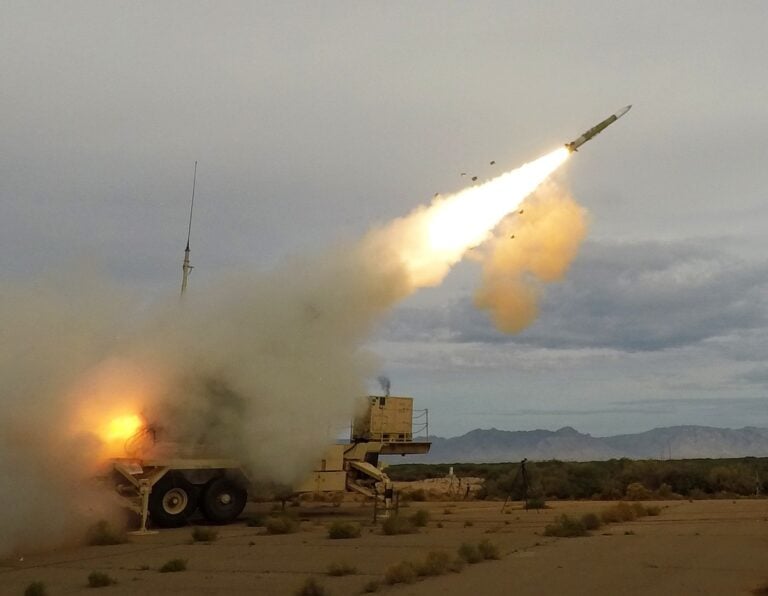
American Patriot and Terminal High Altitude Area Defense systems operated alongside Israel’s Arrow, David’s Sling and Iron Dome. The combination provided several defensive layers against ballistic missiles, drones and other aerial threats.
U.S. and Israeli forces maintained a shared picture of system readiness and interceptor activity throughout the campaign. American liaison officers stationed at Israel’s military headquarters in Tel Aviv supported recurring operational reporting and coordination.
The Pentagon reinforced existing defenses by deploying additional counter-drone systems and air defense personnel throughout the region. At the height of the conflict, the U.S. force included more than a dozen air defense batteries and multiple THAAD units.
More than 50,000 U.S. service members were deployed across the Central Command area to support the operation. American commanders distributed personnel, aircraft and weapons among multiple locations to reduce their exposure to Iranian ballistic missiles and one-way attack drones.
Central Command continually reassessed threats to bases and adjusted the location and readiness of air defense and counter-drone assets. Dedicated decision boards advised the regional air defense commander on how those systems should be repositioned as the threat changed.
The interception effort did not prevent all Iranian weapons from reaching their targets. Iranian attacks damaged or destroyed hundreds of buildings and structures at U.S. bases in Kuwait, Bahrain, Qatar, the United Arab Emirates, Saudi Arabia, Iraq, Oman and Jordan.
Those attacks also forced American forces to move personnel, aircraft and storage facilities away from threatened locations. The resulting posture combined active interception with wider dispersal intended to preserve combat power and reduce the consequences of successful strikes.
The available figures do not identify how many threats were intercepted by each country or individual air defense system. They also do not specify the types or numbers of interceptor missiles expended during the campaign.
The figures were published in Operation Epic Fury: Report to the United States Congress, April 1, 2026–June 30, 2026. It is the first quarterly Inspector General report covering the operation.