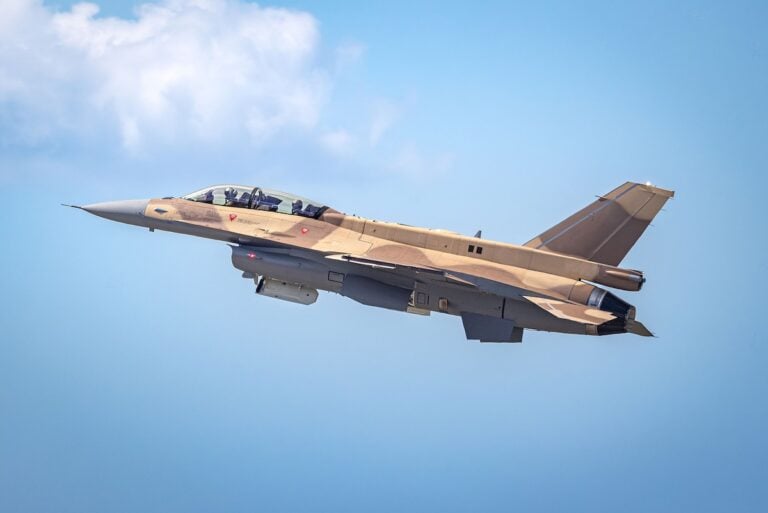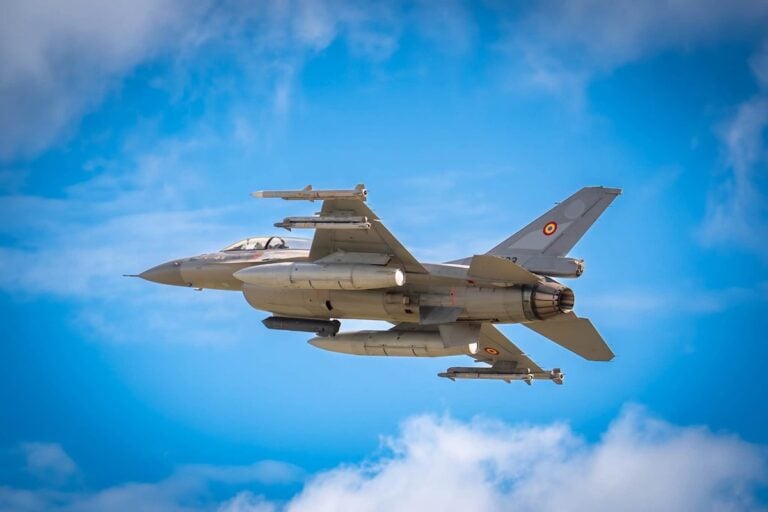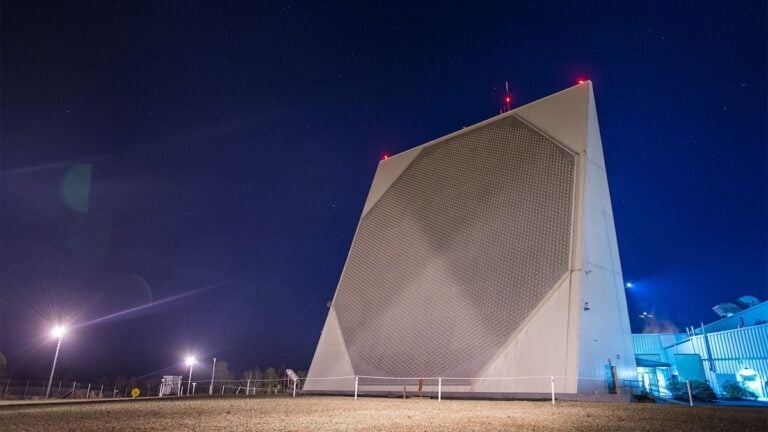
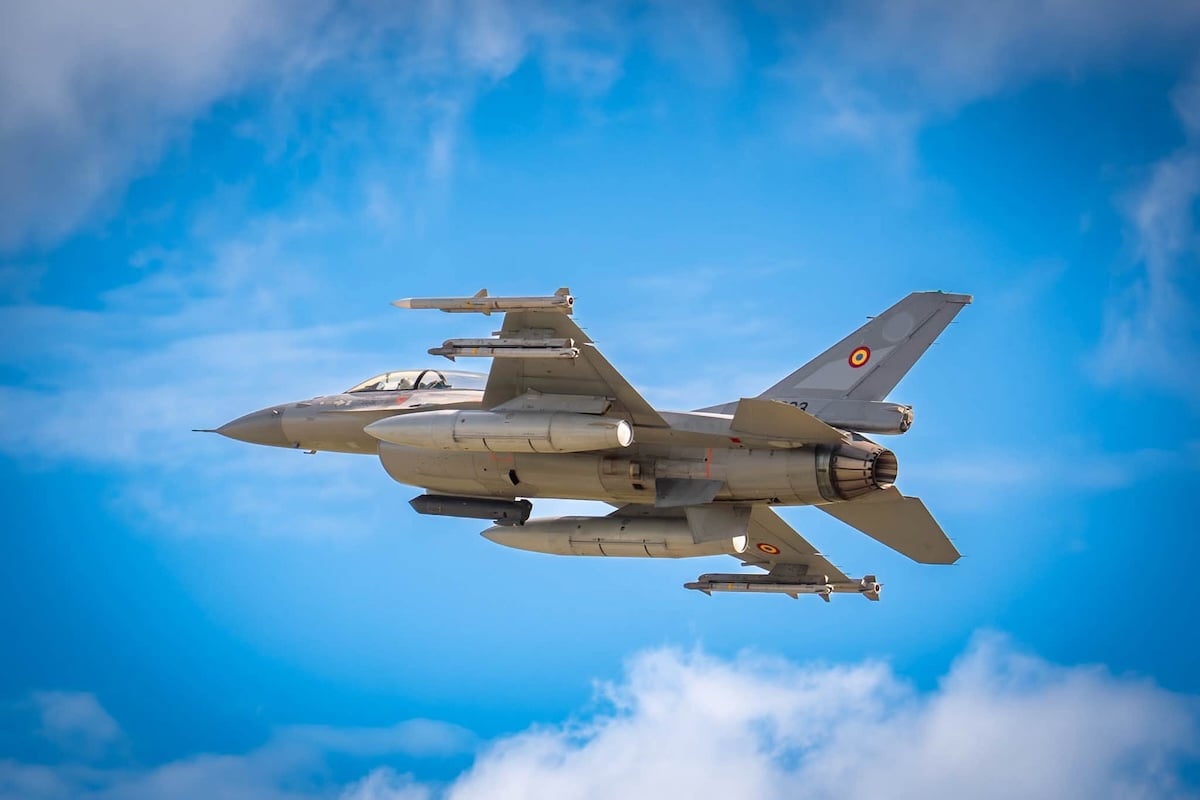
Two alert-duty fighters scrambled from Borcea’s 86th Air Base after Romanian radar systems detected aerial targets over the Black Sea. The objects were approximately 120 kilometres east of Snake Island, heading south-west towards Romania’s coast.
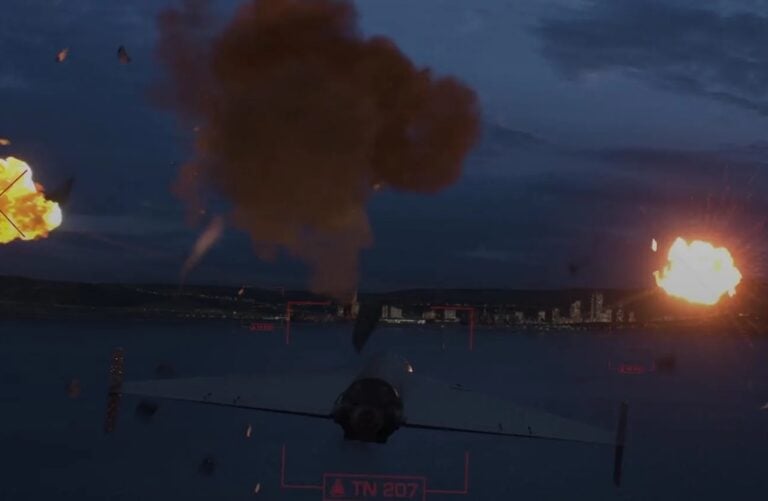
The first drone entered Romanian airspace at 17:59 and was shot down by one F-16 at 18:01. The second entered at 18:01 and was destroyed by the other fighter at 18:05.
The pilots identified both objects as drones before engaging them. Both shootdowns took place over Romanian territorial waters.
Two Romanian Air Force F-16 aircraft, conducting Air Policing missions, were scrambled from the 86th Air Base Borcea at 17:43, after radar surveillance systems detected a group of aerial targets flying approximately 120 kilometres east of Snake Island, heading southwest.
At 17:59, the first target entered Romanian airspace and was shot down by one of the F-16 aircraft at 18:01.
A second target entered Romanian airspace at 18:01 and was shot down by the other F-16 aircraft at 18:05.
Both aerial targets were identified as drones and were shot down over Romanian territorial waters.
Further information will be provided upon completion of the mission.
— MApN (@MApNRomania) October 17, 2026
Romanian surveillance systems had repeatedly tracked aerial targets near the border during the preceding week. Russian drone attacks also struck merchant ships in the Black Sea during that period, including vessels damaged or sunk in Romanian territorial waters.
The incident was not the first drone interception involving Romanian F-16s. On 19 May, Romania’s Ministry of Defence announced that one of its fighters had shot down an uncrewed aircraft over Estonia.
A pair of Romanian aircraft scrambled from an air base near Šiauliai, Lithuania, after an unidentified object violated Estonian airspace. The pilots located it and obtained authorisation to open fire, with the aim of minimising potential damage on the ground.
One fighter fired a guided air-to-air missile and destroyed the drone. The engagement took place over Estonian territory.
U.S. company Lockheed Martin manufactures the F-16, with Block 70/72 representing its latest and most technologically advanced production version. The Block 70/72 specifications do not describe the Romanian aircraft involved in these interceptions.
The version uses Northrop Grumman’s APG-83 active electronically scanned array radar. Lockheed Martin says hardware and software commonality with F-22 and F-35 radars supports improved situational awareness and faster all-weather targeting.
A high-resolution Centre Pedestal Display presents tactical imagery, moving maps and air-to-air situational information. The cockpit also provides digital flight-instrument data and a colour, night-capable helmet-mounted display.
Integration of the Sniper Advanced Targeting Pod and Legion-ES infrared search-and-track system adds further sensing capability. Across the wider F-16 programme, Lockheed Martin says it has certified more than 3,300 carriage and release configurations covering over 180 weapon and store types.
The Block 70/72 has a stated structural life of 12,000 flight hours, more than 50 per cent above earlier production F-16s. Conformal fuel tanks increase fuel capacity and range, while Lockheed Martin says the structural improvements support at least 40 years of service for most air forces.
Separately, Romania has deployed three F-16s to Italy for Steadfast Noon 2026, NATO’s annual nuclear deterrence exercise. The Romanian Ministry of Defence said its participating aircraft have conventional capabilities and no nuclear weapons will be used.
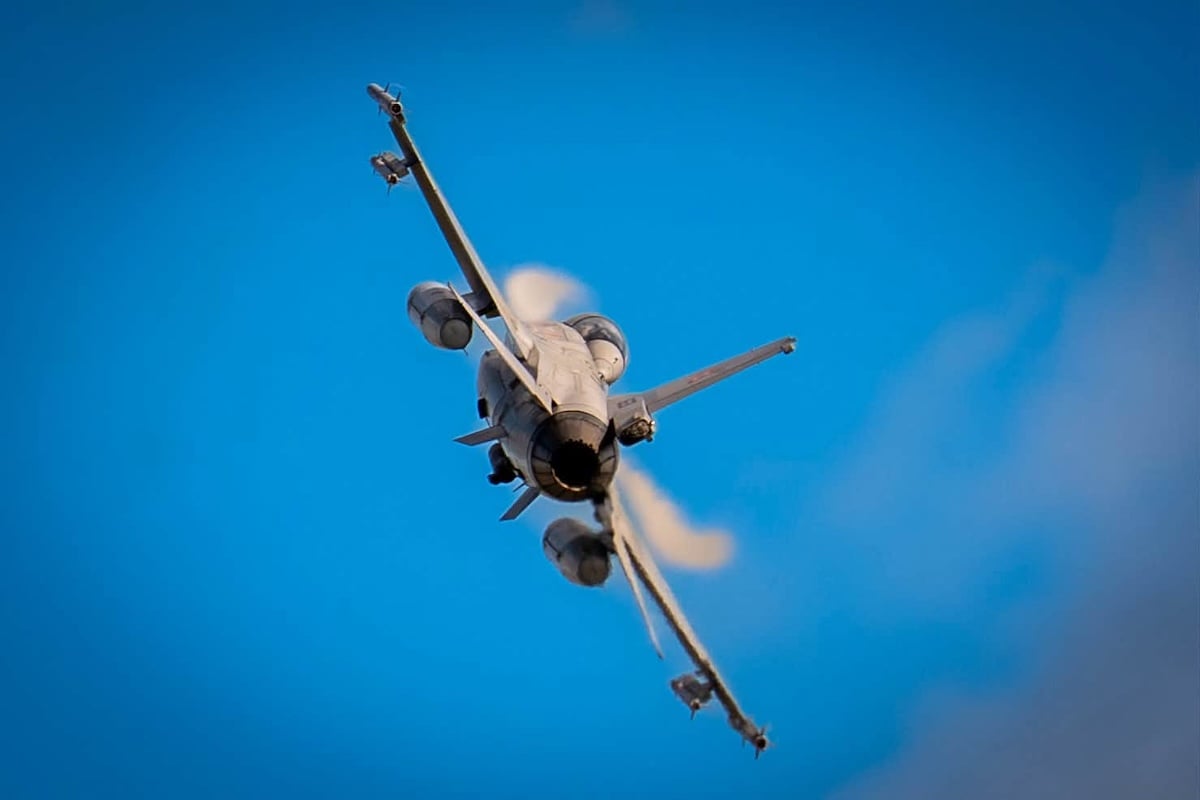
Steadfast Noon tests procedures, readiness and interoperability among participating forces. Held each autumn, it rotates between training areas in the northern and southern parts of allied territory.
The ministry said the exercise was planned months in advance and was unrelated to current international events. It also said the training was not directed against any country.