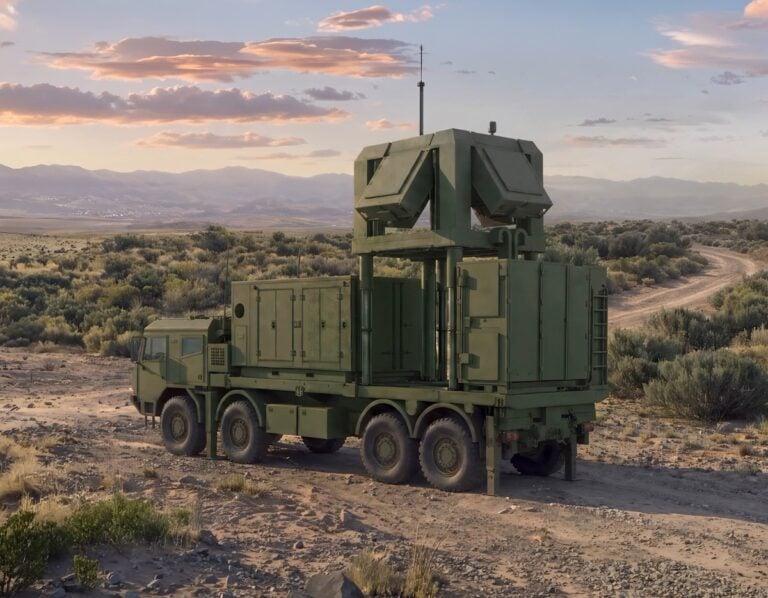

Johansson outlined the production plans during Saab’s second-quarter 2026 earnings call. The Swedish defence group delivered 100 Giraffe 1X systems in the first half of the year.
“Giraffe 1X is very high demand in the market, so we are manufacturing this on, you could call it speculation, not only on contract,” Johansson said. “Compared to last year, we have done a lot more deliveries, 100 systems already in the first half-year, and we are moving to a pace of more than 300 systems a year, going forward when we talk about the Giraffe 1X.”
The higher production rate is expected to provide greater scale in Saab’s radar business. Johansson said annual deliveries of about 300 radars would have a significant effect on the economics of the product portfolio.
“On the product side, if you really get to delivering 300 radars a year, you will get the huge scale effect,” Johansson said. He said sustained demand at that level could also support margins in the Surveillance business.
Saab is expanding its counter-unmanned aircraft system offering alongside the radar production increase. The portfolio combines sensors and command-and-control systems with different effectors for defeating aerial threats.
Johansson said the counter-UAS system uses an open architecture. That allows Saab to combine its sensor and command-and-control technologies with different effectors.
“We work a lot with a counter-UAS portfolio,” Johansson said. “That is a portfolio I think has a big potential going forward, being an open type of architecture system that we have now launched.”
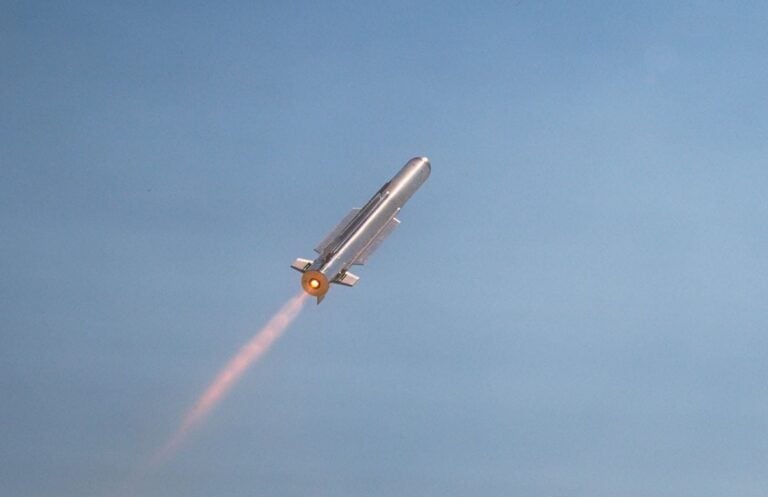
Saab is also adding new products to its ground-based air defence offering. Johansson highlighted a new missile for the RBS 70 system among products entering the Dynamics portfolio.
“We have a new missile for the RBS 70 system,” Johansson said. He also said Saab planned further investment in Dynamics, where market demand remained strong.
The expansion forms part of a broader capacity programme across Saab. Johansson said the company was spending roughly SEK 10 billion a year on increasing its own production capacity.
He identified the supply chain as the main constraint on faster growth. Saab is increasing selected inventories, qualifying alternative suppliers and bringing some activities in-house to improve resilience.