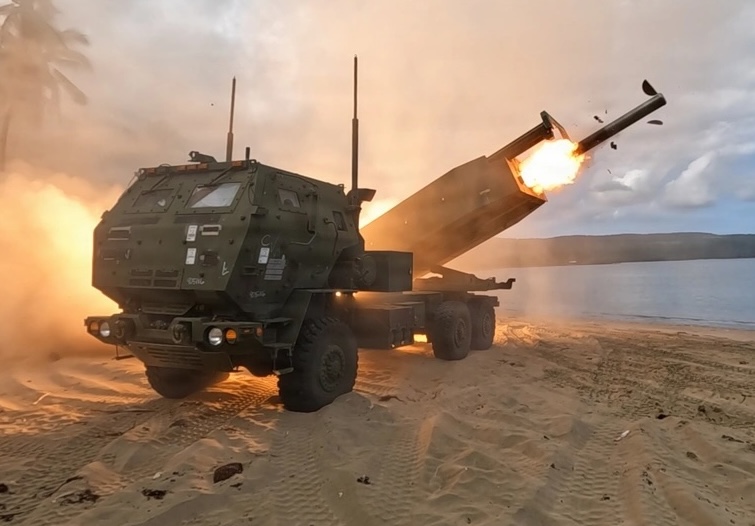
The acquisition is valued at around SEK 7 billion, or approximately $729 million. It will be financed through the Swedish Armed Forces’ regular investment plan as an “opportune purchase” under the Total Defence Bill 2025–2030.
HIMARS will allow Swedish forces to operate across larger areas and engage targets at greater ranges than their current systems permit. It will complement conventional capabilities such as the Archer artillery system and grenade launchers while maintaining compatibility with allied systems.
Sweden is also expanding defence cooperation with Finland, which operates the tracked Multiple Launch Rocket System. MLRS uses the same munitions and components as HIMARS, providing a common basis for joint training, support and capability development.
Swedish Defence Minister Pål Jonson and Finnish Defence Minister Antti Häkkänen signed a joint declaration covering the two countries’ rocket artillery capabilities. The framework includes training, education, maintenance, security of supply and cooperation on production.
“The introduction of rocket artillery clearly demonstrates that Sweden is taking responsibility for security in Europe,” Jonson said. “The Joint Declaration with Finland aims to boost capacity-building, maintenance and security of supply for the systems.”
“Together, we are developing important capabilities for NATO’s collective defence,” Jonson added. Sweden said the bilateral initiative would strengthen defence capabilities in northern Europe.
Lockheed Martin and Saab are also signing a separate joint declaration on potential industrial cooperation linked to the programme. The companies will examine the possible integration of Saab’s Ground-Launched Small Diameter Bomb with HIMARS.
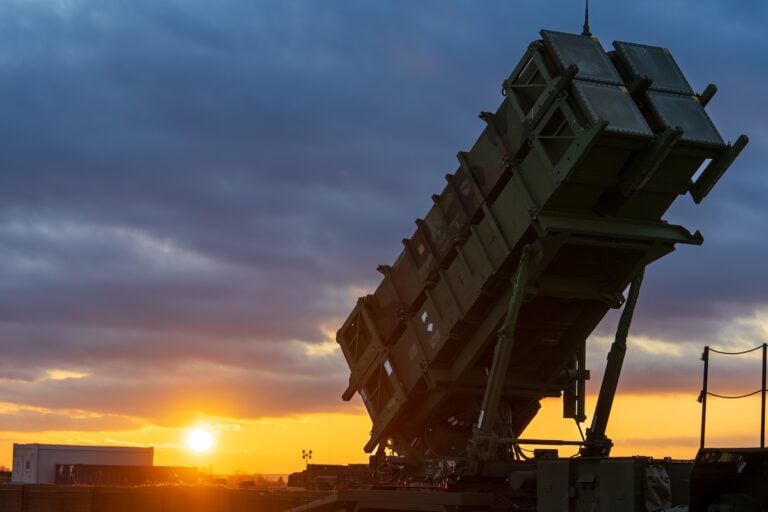
The industrial discussions also cover the production of munitions for HIMARS and other systems, including the Patriot air defence system. Sweden said the work would contribute to improving the security of ammunition supply.
The government described rocket artillery as an increasingly important capability for long-range and precision engagements. It said rapidly available systems were needed to complement conventional artillery amid the current security environment.