
The available information does not explain how the friendly-fire incidents occurred. It also does not identify the weapons involved, the locations of the losses or whether the crews were recovered.
The losses came during an intensive air and ground campaign that began on February 28. U.S. forces struck approximately 13,500 targets, flew about 36,000 combat sorties and conducted more than 1,800 fire missions through April 7.
The Pentagon had repositioned thousands of personnel and hundreds of advanced fighter aircraft in the months before combat operations started. At the height of the campaign, the U.S. force included more than a dozen fighter squadrons operating across the Central Command region.
American aircraft targeted Iranian ballistic missile garrisons, air defense sites and facilities used to store cruise missiles and unmanned aircraft systems. The campaign also struck command centers, naval assets, mine-warfare capabilities and parts of Iran’s defense industrial base.
The F-15E losses were part of a wider toll on U.S. military aviation during the operation. Dozens of American aircraft were destroyed or damaged by enemy action, friendly fire, accidents and incidents connected with combat search-and-rescue missions.
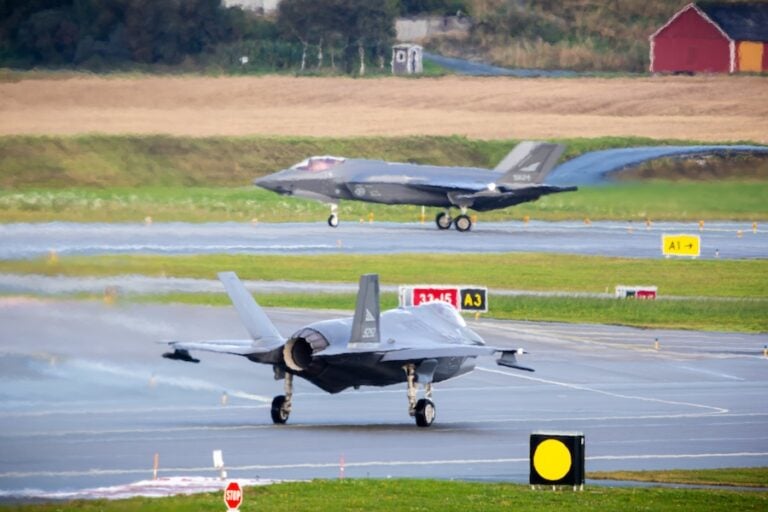
Other recorded losses included an F-35A damaged by enemy fire over Iran and an A-10 destroyed after sustaining damage while returning from a combat search-and-rescue mission. Seven KC-135 tankers were also damaged or destroyed in a collision over Iraq and Iranian strikes on aircraft parked in Saudi Arabia.
The Pentagon estimated equipment losses from Operation Epic Fury at $3.7 billion based on replacement costs. That figure was part of a wider $33.4 billion estimate for the campaign through late June.
The F-15E losses were disclosed in Operation Epic Fury: Report to the United States Congress, April 1, 2026–June 30, 2026. Its aircraft-loss table cited a Congressional Research Service assessment and subsequent vetting by U.S. Central Command.