
The plan covers JASSM Lots 27 to 33 and LRASM Lots 13 to 19, expanding production for two long-range precision weapons central to U.S. air and maritime strike planning. The notice did not disclose the expected cost of the purchase or how the missiles would be divided between JASSM and LRASM variants.
Lockheed Martin manufactures both weapons and is expected to receive the work on a sole-source basis. The notice identifies Lockheed Martin Missiles and Fire Control in Orlando, Florida, and Lockheed Martin Rotary and Mission Systems in Mount Laurel, New Jersey, as the suppliers responsible for the effort.
The Air Force said Lockheed Martin is the only responsible source able to meet the requirement because of its production base, supply-chain management, engineering personnel and program experience. It also said no government-owned technical data package exists that could be provided to another company.
The increase would represent a major step up from earlier multiyear procurement planning. The Air Force’s 2023 plan for its previous multiyear procurement contract covered five lots of each missile and called for 680 to 1,050 JASSMs and LRASMs per pair of lots.
The service’s fiscal 2027 budget request included 977 missiles, made up of 821 JASSMs and 156 LRASMs. Pentagon budget documents released earlier this year also indicated plans to buy about 4,000 JASSMs and 716 LRASMs between fiscal 2027 and 2031.
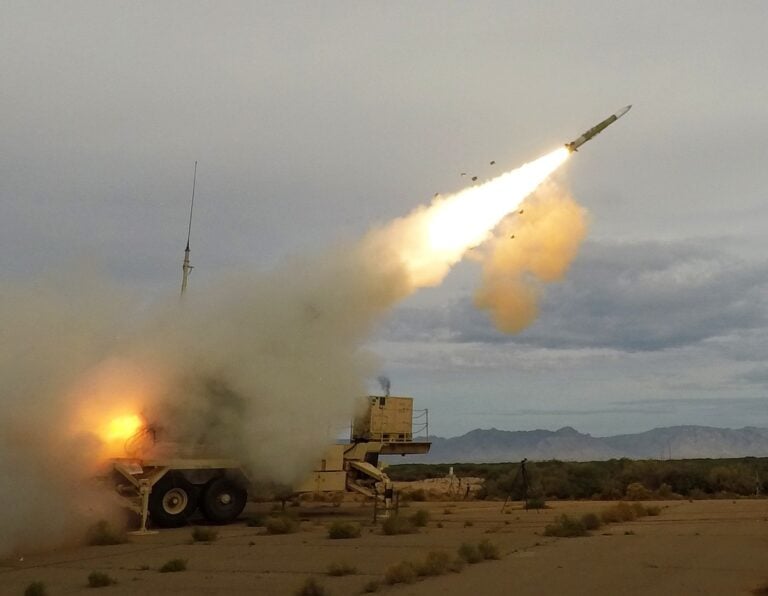
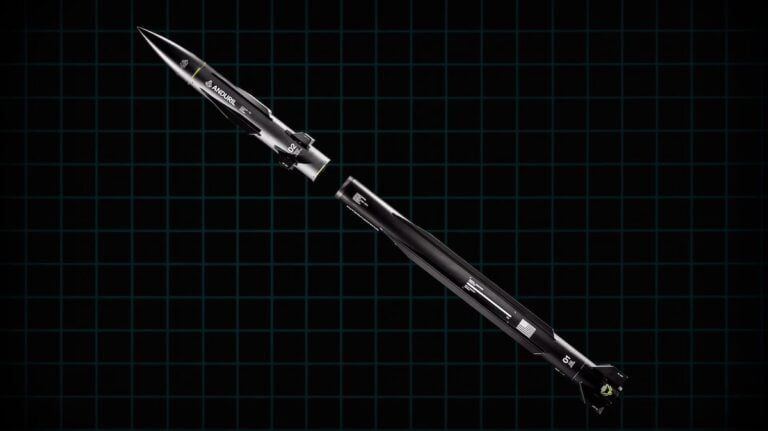
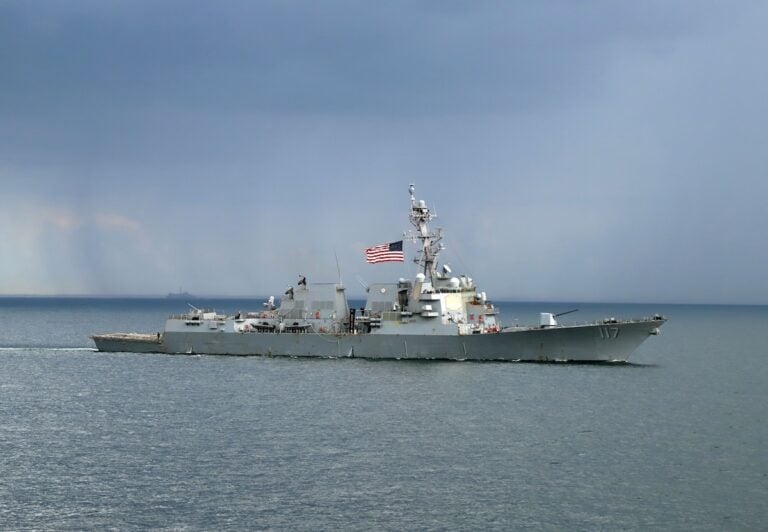
JASSM is a long-range cruise missile used by the Air Force and Navy to strike heavily defended or high-value targets from standoff distance. LRASM is an anti-ship missile derived from JASSM and built for maritime strike missions.
The expanded procurement also includes missile containers, missile-to-aircraft interfaces, mission planning software and missile maintenance software modules. The notice further covers the two current factories, identified as P-14 and P-72, as well as sustainment work tied to operational safety, suitability and effectiveness.
Additional support would include telemetry instrumentation kits, precision targeting image software, weapon system simulators, technical data, upgrades, obsolescence management, aircraft integration, non-warranty repair, tooling and related program support. Sustainment requirements are expected to include the capacity to repair non-warranted missiles and support items in line with the higher missile quantities.
Deliveries under the expanded procurement are expected to begin about 27 months after contract award. The Air Force said the work requires substantial initial investment and a long preparation period for manufacturing and production.
The push comes as the Pentagon increasingly uses multiyear procurement contracts to stabilise demand and increase weapons output. In 2024, the Air Force awarded Lockheed Martin a $3.2 billion contract to produce JASSM and LRASM missiles through the end of July 2032.
The larger buy plan also reflects renewed pressure to rebuild munitions inventories after recent U.S. operations and support provided to Ukraine. U.S. forces used JASSMs extensively during Operation Epic Fury against Iran, and a May report from the Center for Strategic and International Studies estimated that more than 1,100 JASSMs were expended in 39 days of airstrikes.
A Lockheed Martin spokesperson declined to comment on potential quantities of each missile under the deal, citing operational security concerns, and referred other questions to the Air Force. An Air Force statement was not immediately available.
The proposed expansion would give Lockheed Martin and its suppliers a clearer long-term demand signal for one of the Pentagon’s most important missile production lines. For the Air Force, it points to a broader effort to move beyond replenishment and build deeper stocks of long-range weapons for future contingencies.