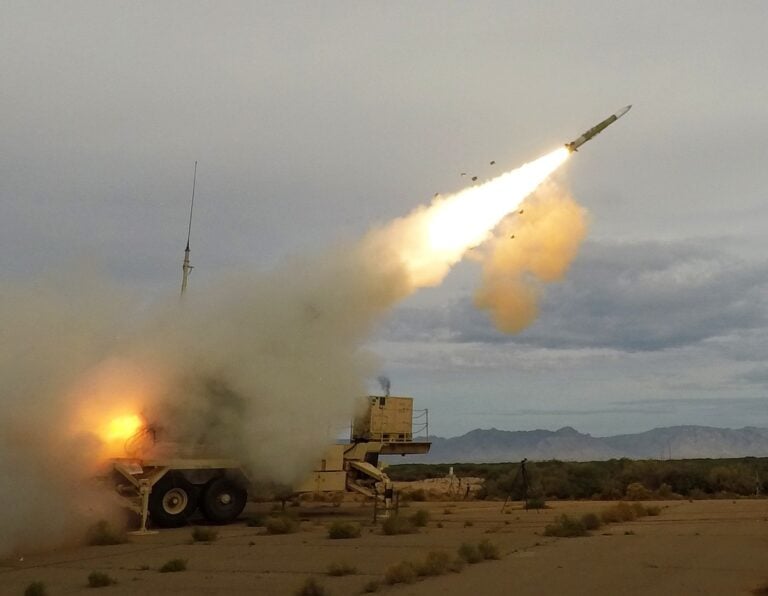
U.S. Northern Command and Alaskan Command will provide command and control for the maneuvers. The binational force will conduct several simulated engagements against maritime targets during the operation.
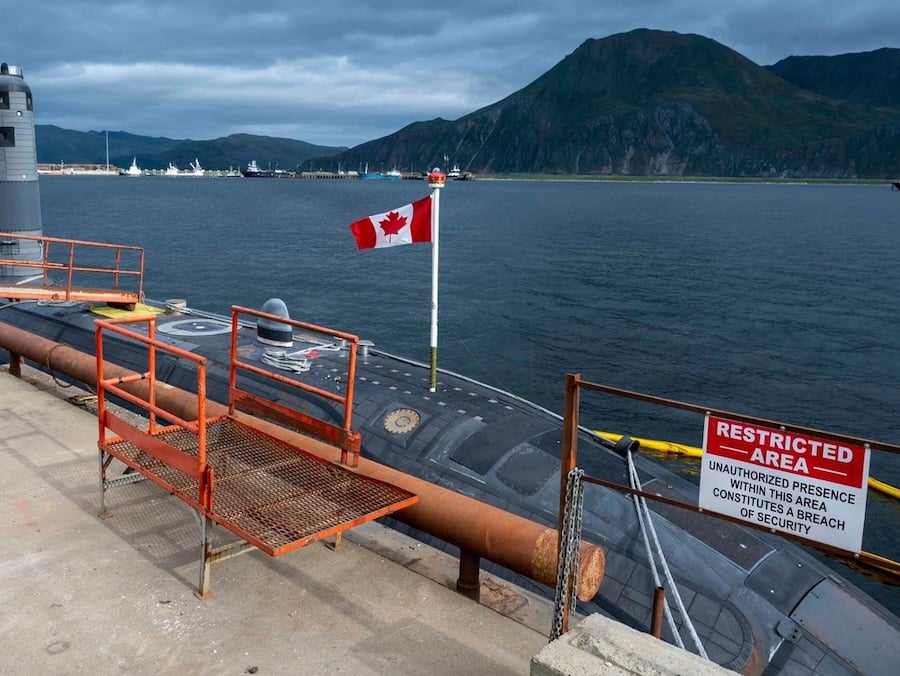
U.S. Coast Guard and Royal Canadian Navy surface and subsurface vessels will participate in the exercise. They will operate alongside Royal Canadian Air Force maritime patrol and reconnaissance aircraft.
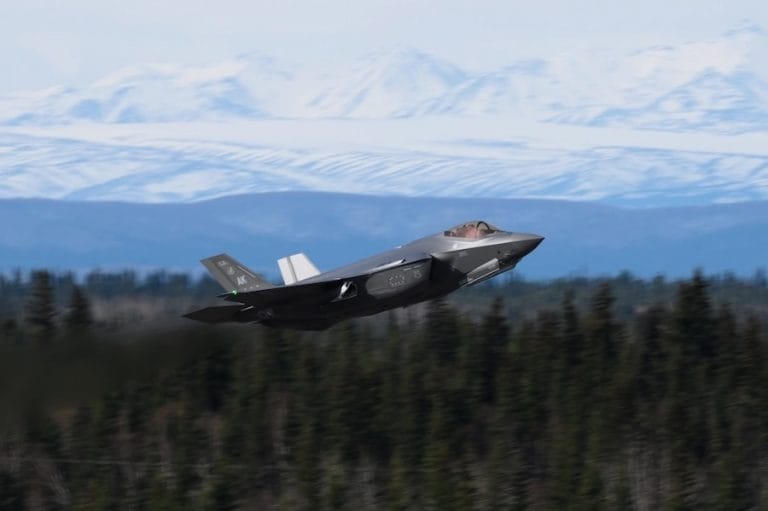
Alaska-based U.S. Air Force F-35 fighters and E-3 Airborne Warning and Control System aircraft will provide additional air capabilities. The combination is designed to support operations across the maritime and air domains.
The exercise will validate the flow of targeting information and rehearse the processes used to engage identified targets. Alaskan Command said the work would strengthen the joint force’s ability to defeat threats to the U.S. and Canadian homelands.
“Our ability to detect activity, make timely decisions, and position forces where they are needed gives a potential adversary reason to reconsider aggression,” said U.S. Air Force Lt. Gen. Robert Davis, commander of Alaskan Command, the Alaskan North American Aerospace Defense Command Region and Eleventh Air Force. “Every TUNDRA MERLIN event prepares the force to fight and win in the Arctic, strengthens command and control, and improves our ability to operate seamlessly across services and nations, reinforcing the credibility of our collective defense.”
Operation TUNDRA MERLIN connects forces assigned to the North American Aerospace Defense Command and U.S. Northern Command with U.S. allies and mission partners. Its stated objective is to deter potential threats to the homelands within the Alaskan Theater of Operations.