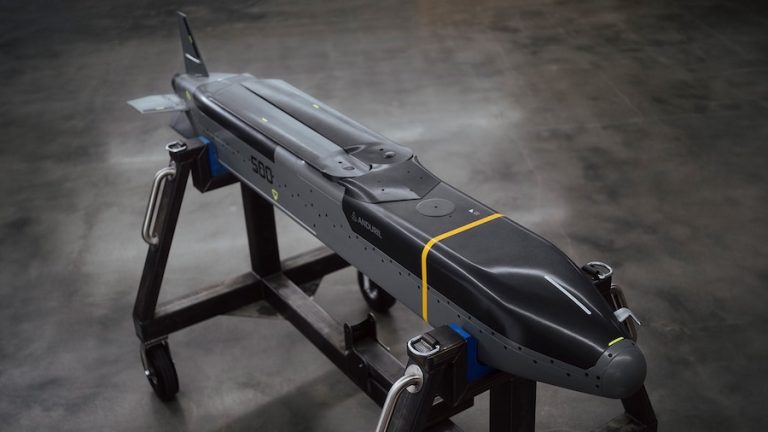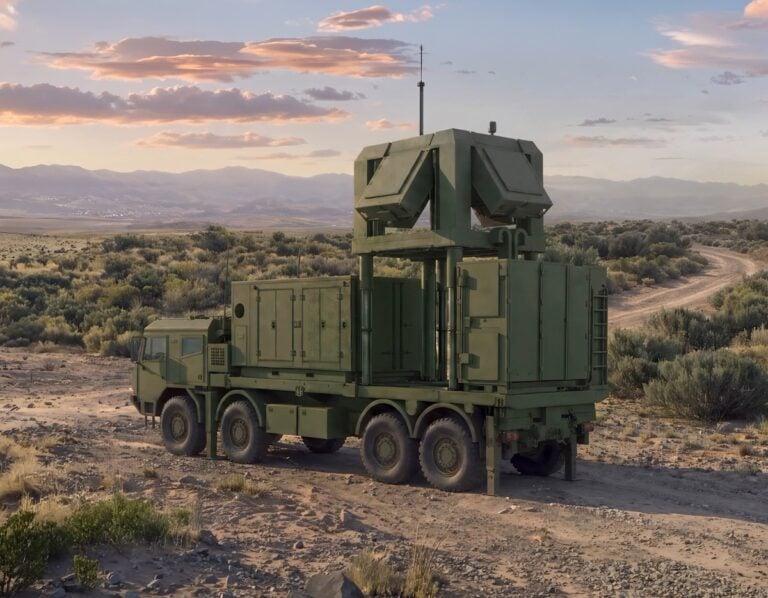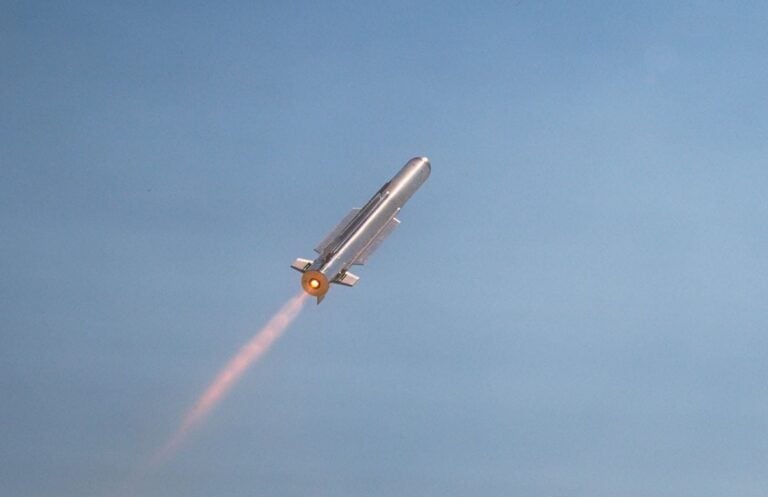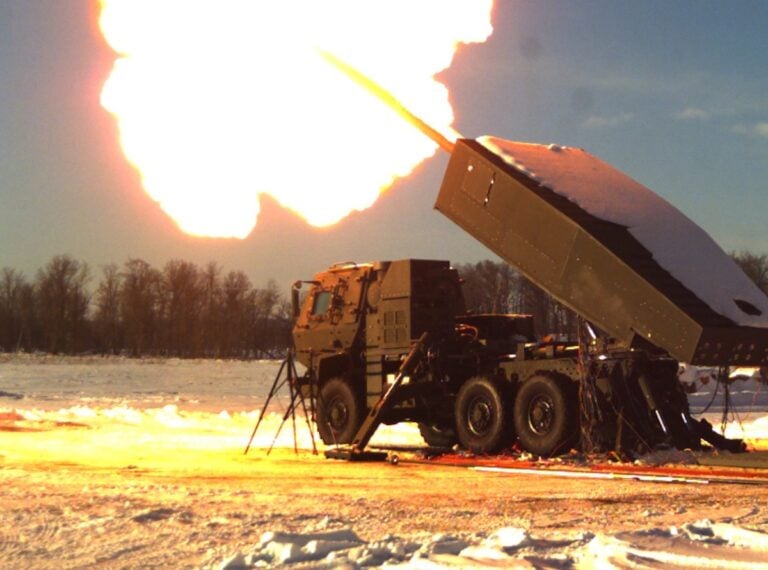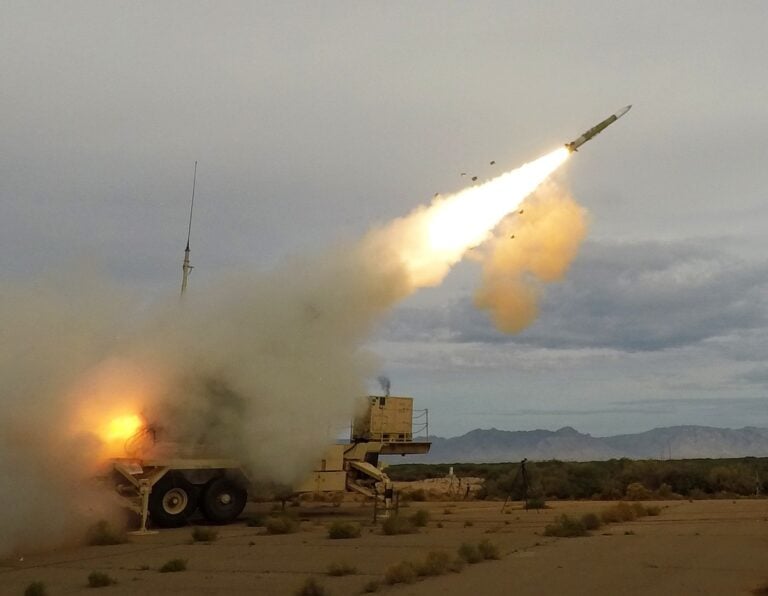
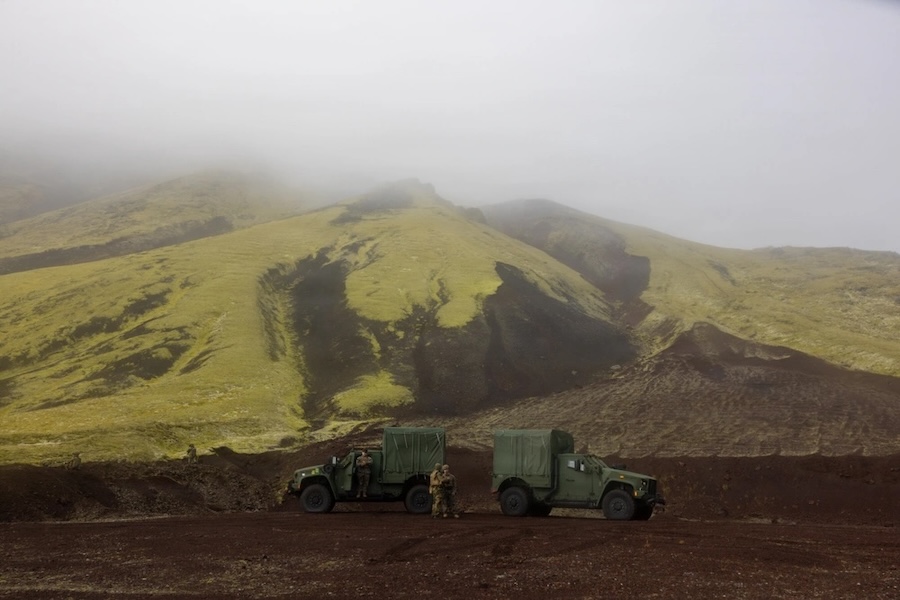
The trilateral force is linking sensors, command-and-control nodes and precision fires into a multinational targeting network described by the Marine Corps as a joint kill web. The network is intended to support NATO operations and connect the defense of northern Europe with U.S. homeland security.
Jan Mayen lies in the Norwegian Sea about 1,000 kilometers from mainland Norway and north of the Greenland-Iceland-United Kingdom gap. Its position places the island along strategic maritime approaches linking North America and Europe.
“We want to prove the Marine Corps’ role as the contact-layer enabler of lethality for the joint and combined force,” said U.S. Marine Corps Lt. Col. David Palacio, fires officer for U.S. Marine Corps Forces, Europe and Africa. “By deploying to Jan Mayen, we are ensuring the Alliance can instantly target and deny adversary freedom of maneuver in highly contested maritime terrain.”
Norway is contributing personnel from the Royal Norwegian Navy and Norwegian Home Guard. British participation includes elements of the Royal Air Force’s LXX Squadron and Royal Marine Commandos.
The U.S. contingent includes Marines from U.S. Marine Corps Forces Europe and Africa, II Marine Expeditionary Force, the 10th Marine Regiment and Marine Air Support Squadron 1. U.S. MC-130 and C-130 aircraft are providing airlift, while a New Hampshire Army National Guard HIMARS platoon and elements of U.S. Sixth Fleet and Task Force 68 are supporting precision fires and maritime operations.
“This highlights the ironclad relationships we share with our Norwegian and British Allies,” said U.S. Marine Corps Maj. Gen. Daniel Shipley, commander of U.S. Marine Corps Forces Europe and Africa. “By building combat capacity together, we ensure the burden of securing the High North is shared effectively across the Alliance.”
“By operating alongside our Allies, we demonstrate that we have both the capability and the will to defend Norwegian territory,” said Norwegian Vice Adm. Rune Andersen, commander of the Norwegian Joint Headquarters. “This includes the Arctic islands, the High North and our territorial waters.”
Operation Atlantic City is taking place alongside naval maneuvers under Northern Viking 26, allowing forces to share maritime surveillance and sensing resources across the European theater. Both operations support Arctic Sentry’s wider effort to coordinate NATO activity in the region.
Norwegian Army Maj. Gen. Frode Kristoffersen said the framework is designed to align Allied operations and improve shared awareness. “Arctic Sentry is our way of synchronizing all Arctic activity conducted by Allies to increase Arctic security, gain the most deterrent effect possible from those activities, and make sure that we have increased our common situational awareness in the Arctic.”
The deployment is testing how Allied forces operate across long distances, limited infrastructure, severe weather and rapidly changing conditions. It also builds on previous activity around Jan Mayen and the island’s Second World War role in supporting weather observations and Allied control of the North Atlantic.