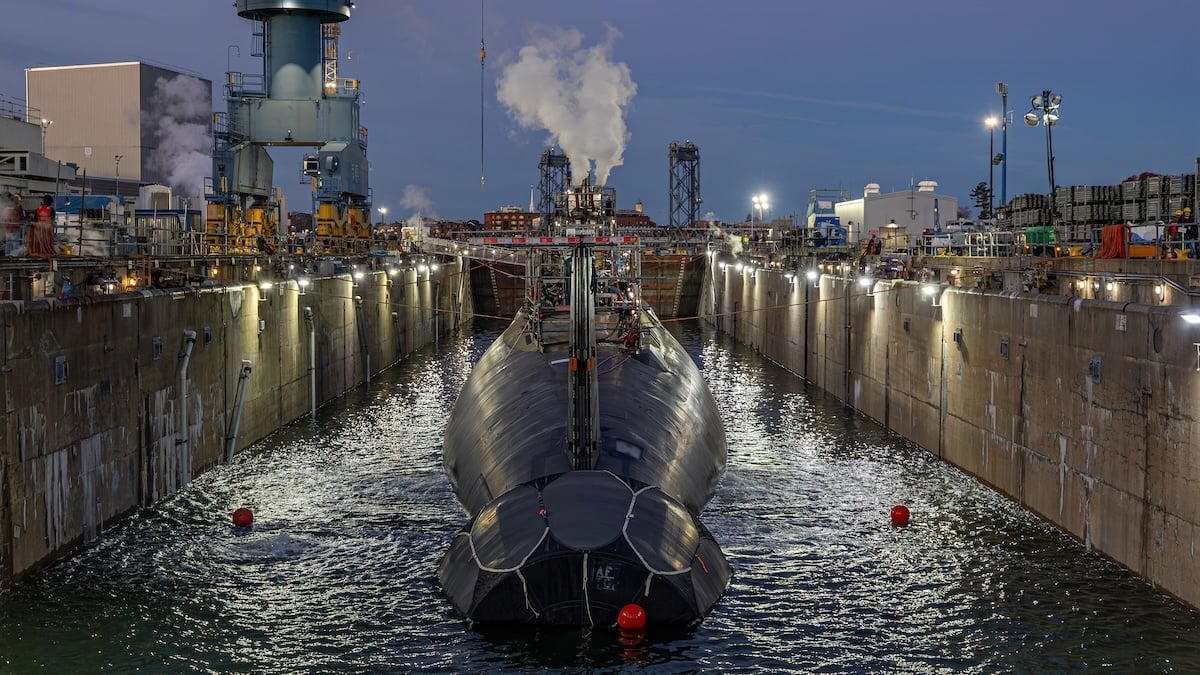
The Navy invited industry to express interest in conceptual design work on October 30, 2026. A separate NAVSEA notice issued on October 9 sought information on the shipyard facilities, equipment and workforce needed for construction.
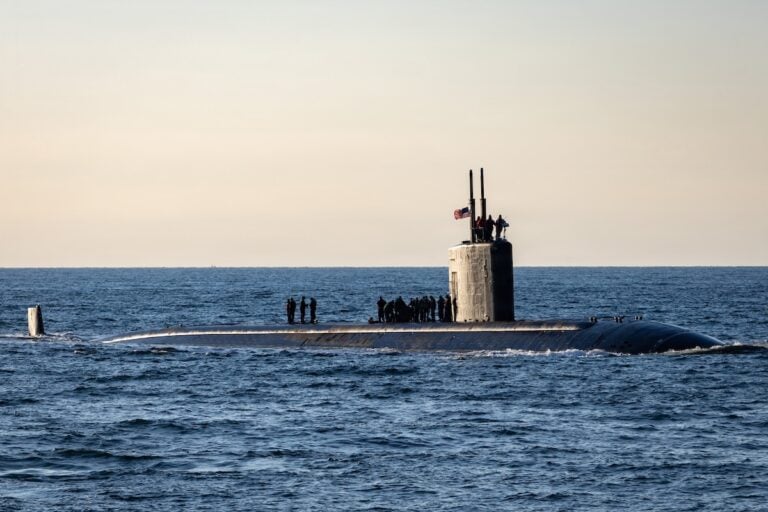
The Navy wants SSN(X) to combine the speed and weapons capacity of the Seawolf class with Virginia-class acoustic stealth and sensors. It also intends to draw on the Columbia program’s approach to operational availability and service life.
The submarine would attack underwater, surface and land targets and conduct reconnaissance. Its primary role would be conventional attack missions rather than the nuclear deterrence mission assigned to ballistic-missile submarines.
A larger torpedo room and the ability to work with more remotely controlled and autonomous underwater systems are among the requirements. The Navy is also examining propulsion technologies to increase speed, although the design and weapons configuration have yet to be finalized.
CBO assumed a submerged displacement of approximately 10,100 metric tons in its estimates, compared with about 7,800 metric tons for Virginia-class submarines and 9,138 metric tons for Seawolf-class boats. That larger platform would offer more room for weapons, sensors and equipment.
CBO’s 2025 analysis placed the Navy’s estimated average procurement cost at $7.1 billion per submarine. CBO’s own estimate was $8.7 billion, about 23% higher, showing the uncertainty surrounding the cost of meeting the Navy’s requirements.
By comparison, a Virginia-class submarine equipped with the Virginia Payload Module was estimated to cost more than $4 billion. The module adds weapons capacity, but SSN(X)’s wider requirements would make it a substantially more expensive acquisition.
The Navy had intended to begin procurement in fiscal 2035. Budget constraints prompted it to move the first purchase to 2040 in its fiscal 2025 budget, delaying the introduction of the next-generation attack submarine.
NAVSEA’s industry inquiry covers pressure-hull construction, module production and assembly, systems integration, reactor-compartment installation and post-construction testing. It also asks about docks, heavy equipment for moving modules, specialist manufacturing machinery and qualified personnel.
U.S. nuclear-submarine production currently depends on General Dynamics Electric Boat and HII’s Newport News Shipbuilding, both of which build Virginia-class boats. Electric Boat leads that program, with facilities in Groton and Quonset Point, while Newport News Shipbuilding operates in Virginia.