Streeting urged allies to make technology transfers easier, open defence contracts to more innovators and combine demand to encourage investment in manufacturing capacity. He said developing advanced weapons would achieve little without the ability to produce enough of them and sustain supplies during a prolonged conflict.
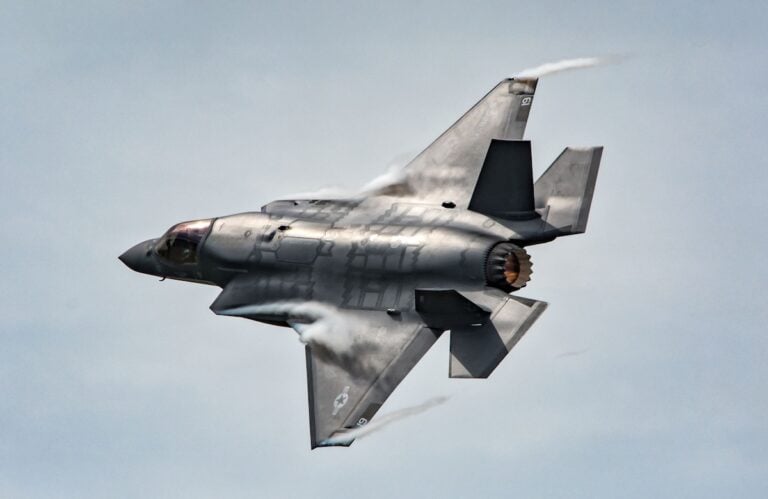
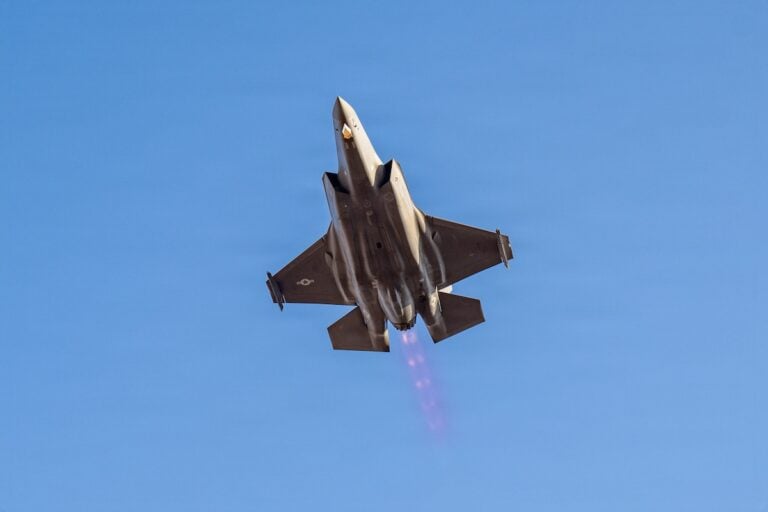
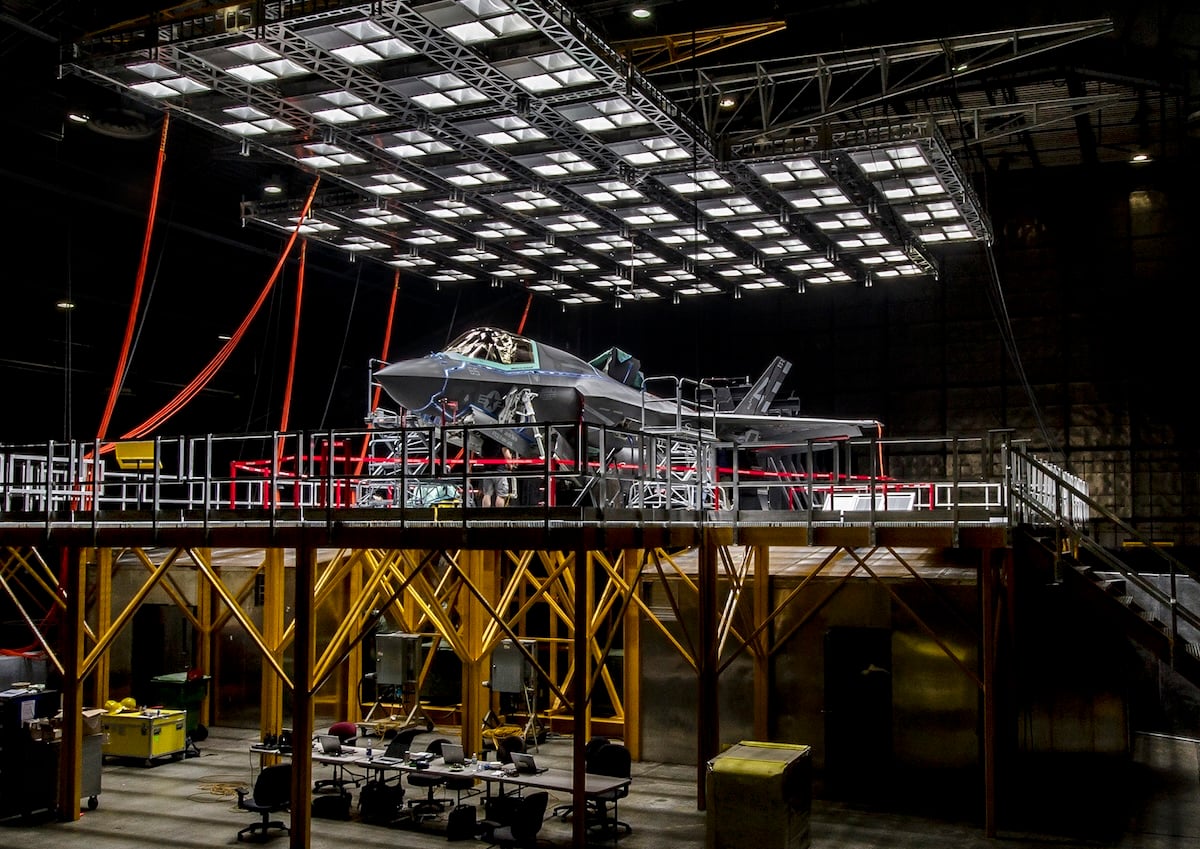
British industry produces around 15 per cent of each F-35 through more than 100 UK Tier-1 suppliers, supporting over 20,000 jobs, Streeting said. He put Britain’s active Foreign Military Sales portfolio with the United States at more than $11 billion.
Through AUKUS, U.S. investment in submarine manufacturing is matched by substantial British investment in the Defence Nuclear Enterprise, he said. Streeting argued that strengthening domestic industry need not come at the expense of allied cooperation.
“It makes no sense to pitch Buy British against Made in Europe against America First,” he said. “It should not be an ‘either or’ choice.”
The UK would continue buying from businesses creating jobs in Britain, including American companies invested there. Streeting also urged European counterparts to prevent healthy competition from becoming self-defeating industrial rivalry.
Streeting said the ability to replenish stockpiles and sustain manufacturing would help determine military power. He described industrial mobilisation as a responsibility for NATO alongside the mobilisation of armed forces.
“A prototype can demonstrate our ingenuity,” he said. “But it is production at scale that turns ingenuity into military power.”
He identified drones, uncrewed vessels, advanced fighter aircraft and artificial intelligence as areas for closer British-American development. He also said interoperability must be established from the outset rather than added later.
Britain aims to cut the time from concept to contract for new platforms from six years to two, Streeting said. Adaptations to existing platforms would take one year rather than three, with other acquisitions taking less than three months.
He cited RAVEN, a ground-launched air-defence system developed for Ukraine, as an example of faster delivery. Working from a two-sentence operational requirement, industry designed, developed and delivered the system in four months, with the first eight systems costing less than $25 million.
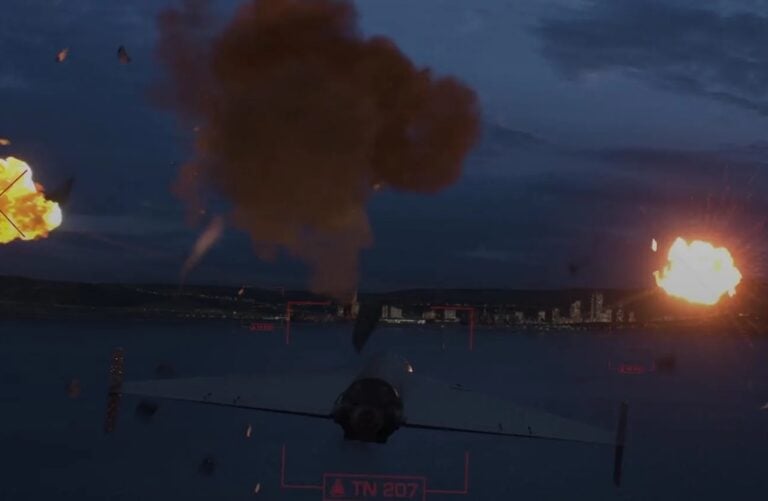
British small and medium-sized companies also took one-way attack drone designs from paper to flight in three months, he said. Systems reached the Ukrainian front line within a year.
Streeting said Britain now has access to Ukraine’s Avengers Lab military AI platform, which uses battlefield data to improve situational awareness and target identification. British universities, researchers and technology companies are using that data to co-develop capabilities.
Streeting reaffirmed Britain’s commitment to spend 3.5 per cent of GDP on defence by 2035. He said Europe must take greater responsibility for its security while preserving NATO’s transatlantic foundations.
Britain is also developing NATO’s next generation of long-range strike capabilities with European allies, he said. Higher spending must be accompanied by changes in procurement and production to deliver equipment to armed forces faster.
“Defence spending is the measure of our commitment,” Streeting said. “Defence capability is the measure of our credibility.”