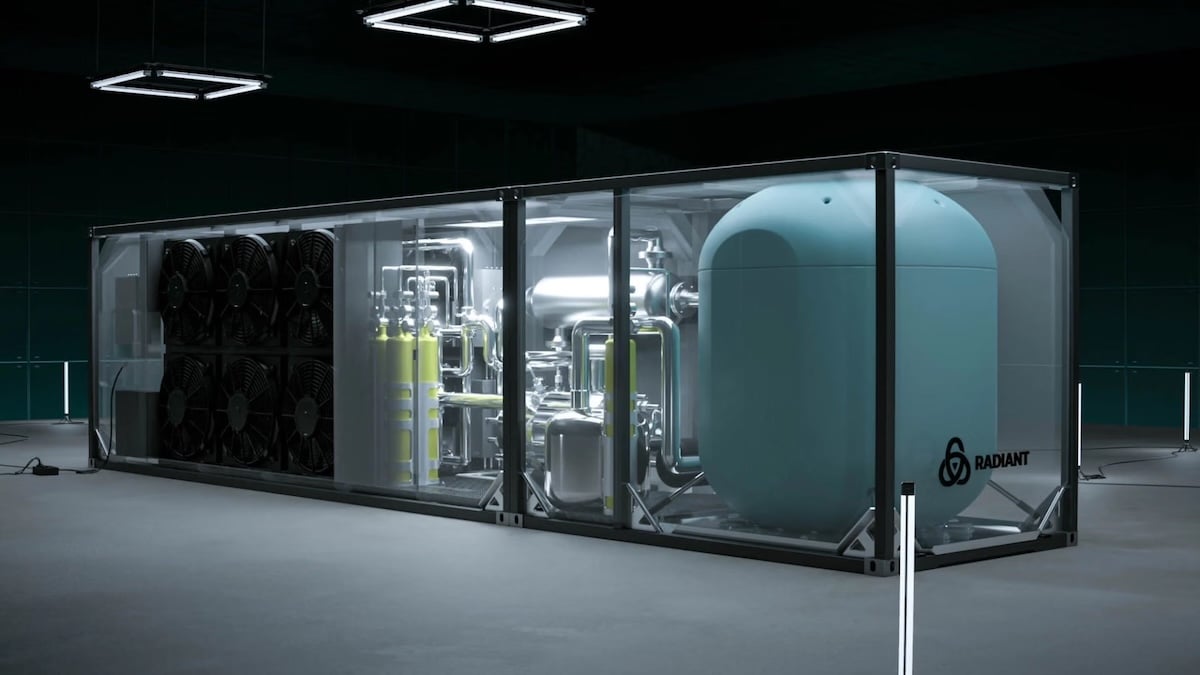
The project will proceed through the Army’s Janus Program in partnership with the Department of War Innovation Unit. It is part of the previously announced effort to build more than 20 microreactors at military installations, rather than an addition to that total.
“The industrial and operational testing missions executed at NWS Crane are vital to the readiness of our fleet and the future fight,” said Brendan Rogers, assistant secretary of the Navy for energy, installations, and environment. “Securing these operations with dedicated, localized microreactor power is a national security imperative and means our critical naval support systems will never go dark, preserving our strategic advantage and ensuring uninterrupted support to our warfighters.”
Crane hosts Crane Army Ammunition Activity, which produces and distributes conventional munitions, and Naval Surface Warfare Center, Crane Division. Work at the installation includes weapons development, electromagnetic warfare, strategic missions and advanced manufacturing.
The reactor would give the installation a localized power source to support those activities. The Navy did not disclose the project’s cost, generating capacity or deployment schedule.
“The Janus Program was built from day one to deliver real, reliable hardware and systems to solve energy resilience challenges across all of the Services,” said Dr. Jeff Waksman, principal deputy assistant secretary of the Army for installations, energy and environment. “We are excited to partner with the Navy to place a Janus reactor at NWS Crane, and by doing so to deliver the state of Indiana its first advanced microreactor.”
The next phases include final environmental reviews, site-specific design and regulatory coordination. Design refinement, prototype testing and site preparation must also precede deployment.
Experts from the Naval Nuclear Propulsion Program will provide technical support alongside the Nuclear Regulatory Commission and other partners. The Navy said the project would meet safety, physical security and environmental requirements throughout its lifecycle.
“Our installations are foundational warfighting platforms and ensuring their resilience is essential to supporting the Fleet,” said Vice Adm. Brad Collins, commander of Navy Installations Command. “By investing in advanced capabilities like this microreactor at Crane, we are providing our Shore infrastructure with the resources needed to sustain the mission and empower our warfighters.”