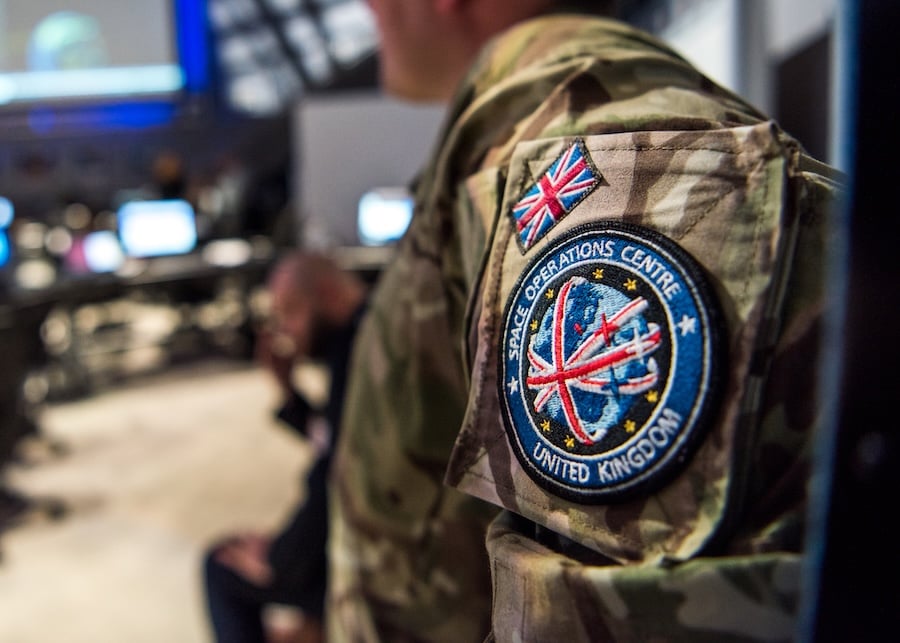
The squadron adds an active space-control capability to the RAF’s existing structure. No. I Space Operations Squadron and No. II Space Warning Squadron monitor activity and warn of threats, while No. III Squadron will be responsible for countering them.
The new unit will bring together specialist personnel from across the Armed Forces and support both offensive and defensive space operations. Its capabilities will expand as additional systems enter service, according to the Ministry of Defence.
Britain relies on satellites for intelligence collection, missile warning, military navigation and communications. The same infrastructure supports mobile phone data, weather forecasting, online services, emergency responders and the management of national energy networks.
“Space no longer supports operations from the sidelines. It’s a domain of direct competition, where our military advantage can be won or lost,” Chief of the Air Staff Air Chief Marshal Sir Harv Smyth said.
“No. III Space Effects Squadron will safeguard the vital benefits that space gives to our integrated armed forces, and will be capable of denying those benefits to our adversaries,” Smyth said. The unit was announced at the first UK Space Power Conference.
The squadron is part of Britain’s Control of Space Requirement, which calls for the country to maintain freedom of operation in orbit while denying adversaries the same freedom. The requirement was included in the UK Space Strategy published this month and follows priorities established by the Strategic Defence Review.
Defence Secretary Wes Streeting is expected to warn that growing reliance on orbital infrastructure is increasing Britain’s exposure to attack. “Our dependency on space is precisely why it is increasingly under threat from our adversaries. That threat is growing in scale, speed, and sophistication.”
Hostile states are developing capabilities to jam, disrupt or disable space assets, according to the Ministry of Defence. Britain plans to invest £880 million between 2026-27 and 2029-30 in space-based intelligence, surveillance and reconnaissance and space-control activities.
The government said the new military capability would not alter Britain’s commitment to the peaceful and sustainable use of space. The UK has ruled out destructive anti-satellite missile testing and will continue working with allies and the United Nations to promote responsible conduct in orbit.