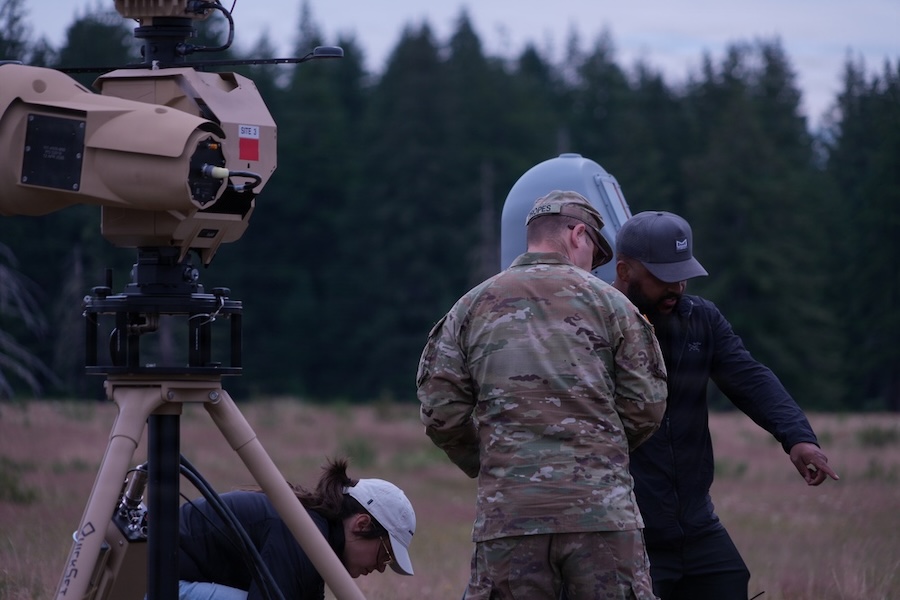
The Washington National Guard Counterdrug Program and the 10th Civil Support Team completed a week of operator training on the new equipment. Personnel also evaluated the system’s performance, operational requirements and potential future use.
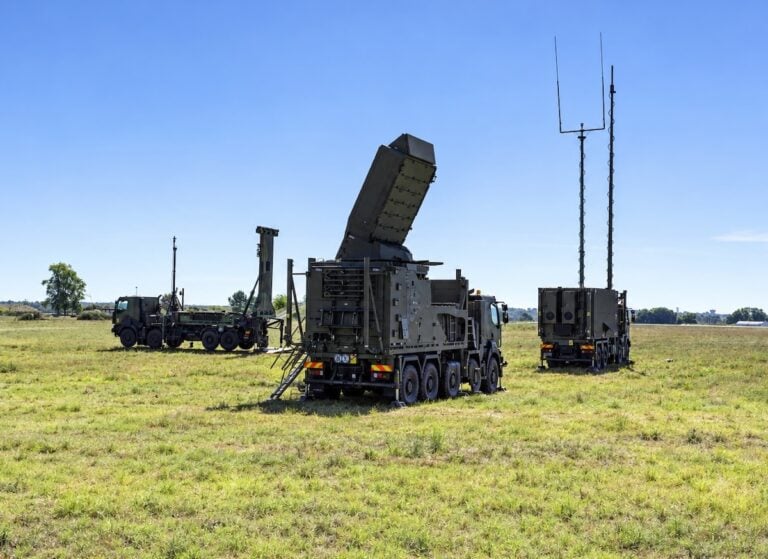
The platform combines Anduril’s Long Range Camera Tower, WISP detection system and Pulsar radio-frequency sensor. The company’s Lattice software integrates data from those components into a common operating picture.
The networked architecture is designed to detect small unmanned aircraft at extended ranges. It can distinguish drones from objects such as birds and provide real-time tracking information.
Certain components can also help identify the location of a drone operator. That information can support coordination with law enforcement and other security personnel.
“This fielding is a critical inflection point for both our team and the wider force,” said Maj. Ryan Dykes, commander of the 10th Civil Support Team. “It immediately advances the 10th CST’s capability, giving us the specific tools needed to defend public events and critical infrastructure from a modern, evolving threat.”
The 10th Civil Support Team has supported security operations for major events, including the FIFA World Cup and Super Bowl missions. It has also participated in numerous National Special Security Events.
The unit’s primary mission covers chemical, biological, radiological, nuclear and explosive hazards. The counter-drone system expands that role by addressing unmanned aircraft that could carry dangerous payloads.
“Drones can be used as effective delivery systems for chemical, biological, radiological and explosive devices,” said Lt. Col. Wes Watson, former commander of the 10th CST and current director of the Commander’s Action Group for C-sUAS Operations. “CSTs have been exploring ways to defeat this delivery mechanism for years and would be vital in the response to a downed drone suspected of carrying a WMD.”
Watson said counter-drone support for federal and state law enforcement would remain a long-term mission. “Counter-UAS operations alongside federal and state law enforcement will be an enduring mission, lasting beyond the World Cup and America 250,” he said.
The after-action review identified a need for more personnel to transport and operate the complete system. It also recommended longer qualification courses, improved command-and-control integration and additional training with federal partners.
“Being one of the first teams to get this equipment isn’t just about the technology itself. It’s about figuring out the real-world personnel, training, and logistical needs to make it effective,” Dykes said.
“We have the important task of shaping what this capability will look like for the entire force, ensuring that the lessons we learn here will give other CSTs a running start,” Dykes said. The review also called for realistic field exercises to improve calibration, troubleshooting and mission planning.
Legal authorities remain a central issue for domestic employment of counter-drone technology. National Guard personnel can detect and track threats, but some mitigation actions require specific legal authority.
The Counterdrug Program and 10th Civil Support Team will continue refining their tactics, techniques and procedures. Future work is expected to involve the FBI, Department of Homeland Security and other interagency partners.
“Washington continues to be the national thought leader in planning, equipping and training forces to combat the threat of hostile drones,” said Maj. Gen. Gent Welsh, the adjutant general of the Washington National Guard. “From our groundbreaking work in our Counterdrug program to the recent acquisition of an Anduril system as a byproduct of FIFA prep, we are getting after the challenges here with law, policy and domestic employment.”
“We can’t afford to be unprepared in this area as a nation,” Welsh said. The Guard said participation in preparations for the FIFA World Cup accelerated development of the capability.
“The World Cup was our accelerant driving forth change to prepare our unified approach to securing the skies,” Watson said. “But the threat of drones is only going to expand, and our National Guard is a key member of what is needed to support future events from those who seek to use drones to harm the public.”