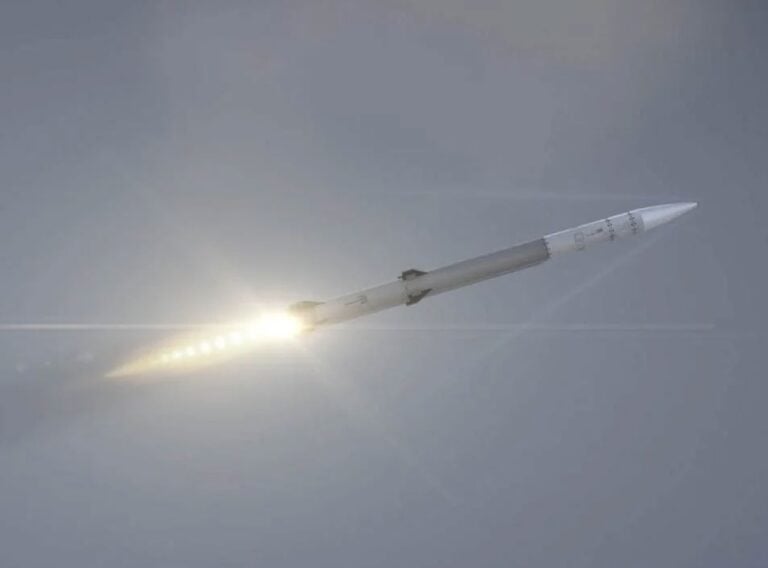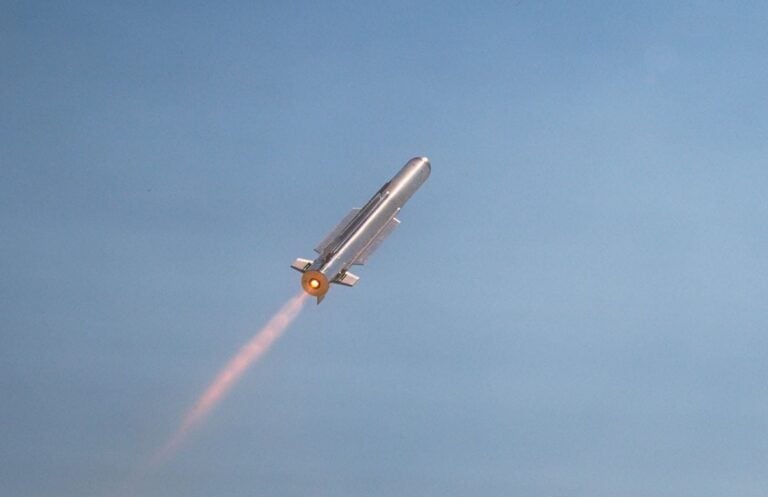
The Air Force Research Laboratory verified the architecture through its Munitions Open Architecture Test and Evaluation Laboratory, known as MOATEL. The process gives government program offices an independent measure of compliance rather than relying on a manufacturer’s own assessment.
WOSA establishes common interfaces for weapon subsystems such as seekers, navigation modules, software and payloads. The standard is intended to allow individual components to be integrated or upgraded without redesigning an entire missile.
“Open architecture is only meaningful when it can be independently verified, and for WOSA that verification is through MOATEL,” said Jonathan Shaver, program manager and creator of Weapons Open Systems Architecture at AFRL’s Air Warfare Directorate. “Through MOATEL, AFRL owns that verification for WOSA, assessing whether a weapon actually meets the standard instead of accepting vendor self-assessment.”
AFRL and Anduril completed a four-day assessment covering 14 technical domains. The review included mission autonomy, seekers, GPS, propulsion, airframe control, autopilot, guidance, navigation and the Munitions Data Bus.
The testing verified that Anduril’s software architecture met WOSA requirements in the domains assessed. It also demonstrated compatibility between internal and external Munitions Data Bus implementations, supporting faster software updates and reuse across different weapon platforms.
“It’s easy to talk about modularity and open architectures in the abstract,” said Pat Morris, vice president of Advanced Effects at Anduril. “Proving it through an independent assessment is harder.”
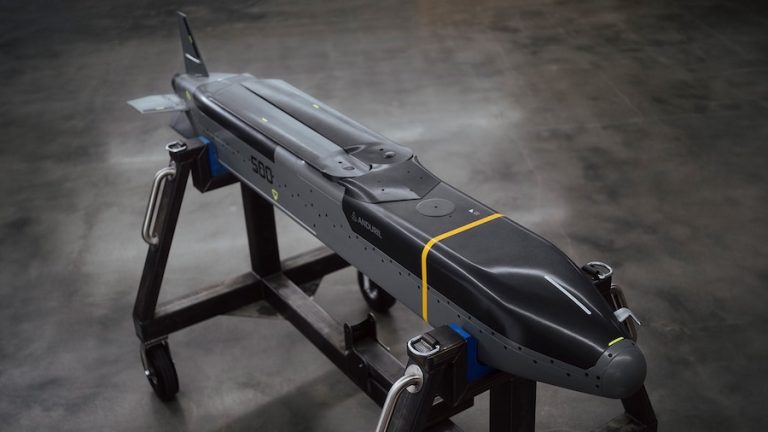
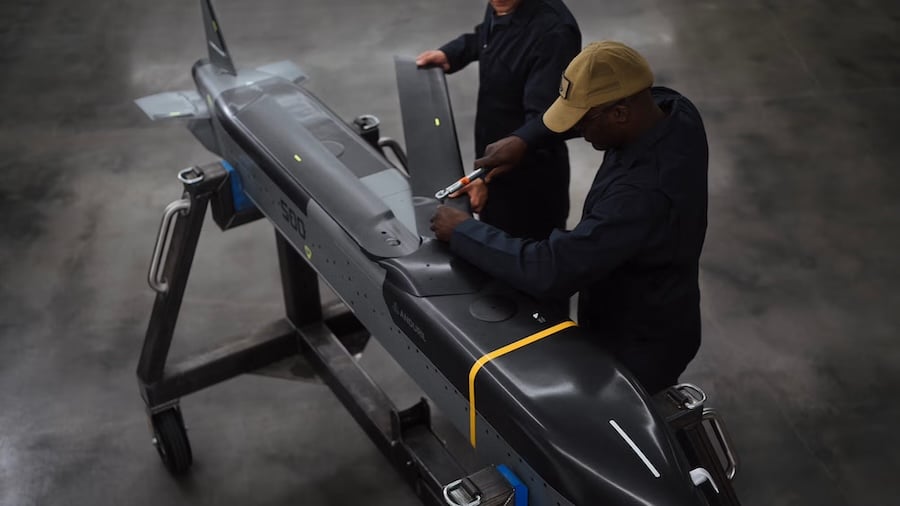
Morris said the verification supports the decision to design Barracuda around a modular architecture from the outset. “AFRL and MOATEL’s verification validates one of the fundamental design decisions behind Barracuda: build the weapon around a simple, modular architecture so that programs can integrate new technology without redesigning the entire system.”
Anduril is under contract to deliver multiple Barracuda variants to customers across the Department of War. The company plans to manufacture several thousand systems annually over the next few years as production and operational fielding expand.
The open architecture is intended to let customers update Barracuda when threats, technologies and mission requirements change. Independent verification also gives future weapons programs a tested route for integrating new components while reducing technical and schedule risk.