
Arseneault outlined the expected ramp during BAE Systems’ first-half 2026 earnings call, citing sharply higher demand for missiles and interceptors. He said the company supports 10 of 12 munitions programs identified by the U.S. Department of War as critical priorities.
“There are 12 munitions that the Department of War has identified as critical, we support 10 of those 12 priority programs,” Arseneault said. BAE Systems has signed framework agreements and is moving through contracting on multi-year procurements that could double, triple or quadruple current production rates depending on the program.
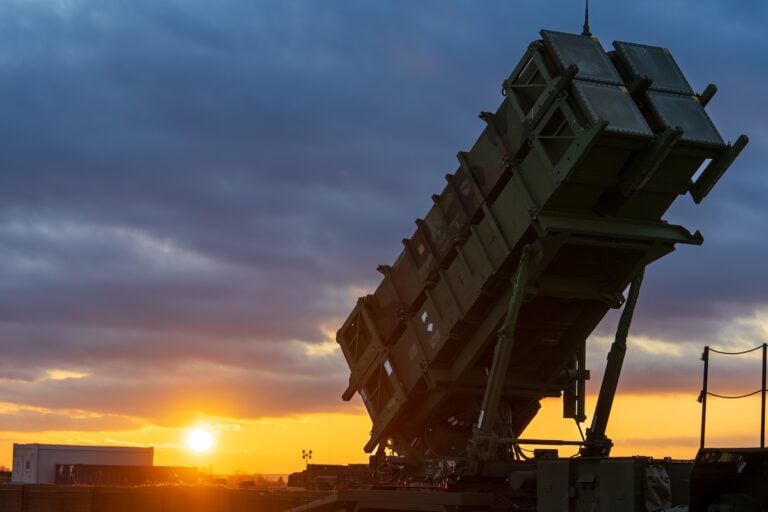
THAAD is among the clearest examples of that expansion. “We soon expect to receive a contract to begin procurement for 2,800 seekers over seven years, which represents a fourfold increase,” Arseneault said.
The expected award sits within a larger U.S. munitions opportunity for BAE Systems. Arseneault said combined revenue across the priority multi-year programs represented a multi-billion-dollar opportunity.
The company is committing additional capital to support those production increases. BAE Systems recently approved another $250 million for capital projects in its Electronic Systems business tied to production ramps on THAAD, AMRAAM and Tomahawk.
That spending builds on more than $4 billion invested in BAE Systems’ U.S. workforce and facilities since 2020. Arseneault said those investments expanded capacity by 2 million square feet, advanced research and development and increased the workforce by about 14%.
BAE Systems expects capital expenditure in its U.S. business to rise 40% year over year, driven largely by the acceleration in munitions production. Arseneault said the company continued to invest in technology and production capacity to meet record demand across U.S. defense priorities.
The contracting structure is also moving toward longer-term commitments. Arseneault said BAE Systems had signed five framework agreements for munitions programs, with three more under negotiation and several multi-year contracts being negotiated under agreements already in place.
BAE Systems typically operates at the Tier 2 level in those munitions programs, meaning its backlog can build later than that of the prime contractors, Arseneault said. He added that the company expects the programs to support accretive margins over time for its Electronic Systems and Space & Mission Systems businesses.