Raytheon booked more than $10 billion in international awards during the first half of the year, more than double the level recorded a year earlier. More than $7 billion of those orders came from European customers, reflecting sustained demand for integrated air and missile defence systems.
Calio said RTX had secured several large European orders during the second quarter and across the first half. He linked the momentum to NATO allies moving their defence budgets toward 3.5% and to the company’s established base of systems and customers in the region.
“We have a strong installed base both in the Middle East and in Europe,” Calio said. “These are the things we’re going to continue to leverage as the demand grows.”
International programmes now account for 48% of Raytheon’s backlog, giving overseas markets a central role in the business’s growth outlook. Calio said the international share of mature programmes was also supporting stronger pricing and productivity.
RTX is pairing that commercial opportunity with a broader European industrial strategy. Calio said Raytheon was working with several NATO countries to identify additional European suppliers for AMRAAM components, with the aim of increasing production capacity and accelerating missile deliveries.
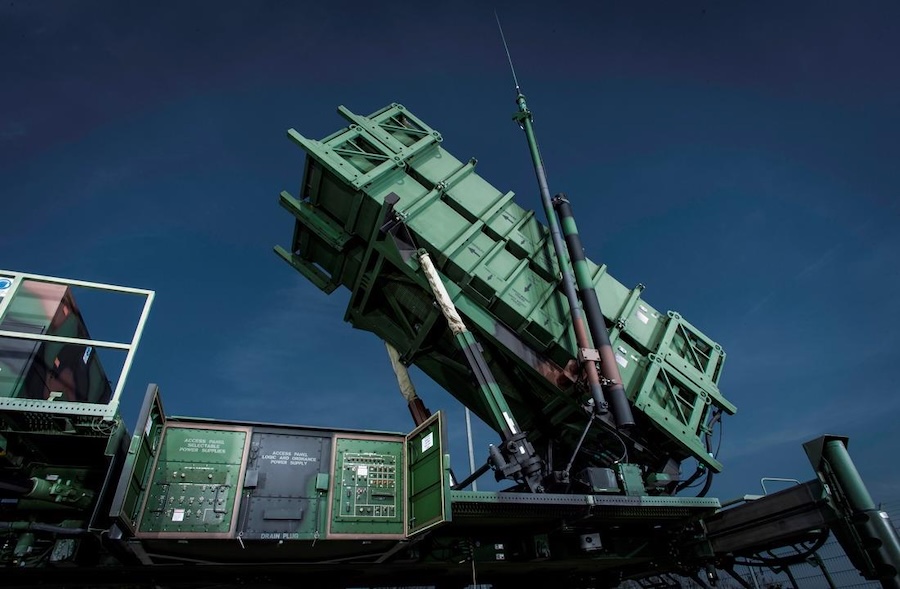
The company’s European relationships extend across several major weapons and aerospace programmes. Calio cited co-production activity involving AMRAAM, Stinger and Patriot, partnerships with Kongsberg on NASAMS and with MBDA, and a group of Polish suppliers supporting Patriot and the F135 engine programme.
Calio said expanding the European industrial base would deepen relationships with customers while adding qualified suppliers and manufacturing capacity. That network would help RTX increase output as international demand continues to rise.
The CEO described Europe as a significant long-term opportunity built on major orders, an established product base and increasing local industrial participation. He did not provide separate revenue guidance for the region or disclose the expected value of future European co-production agreements.