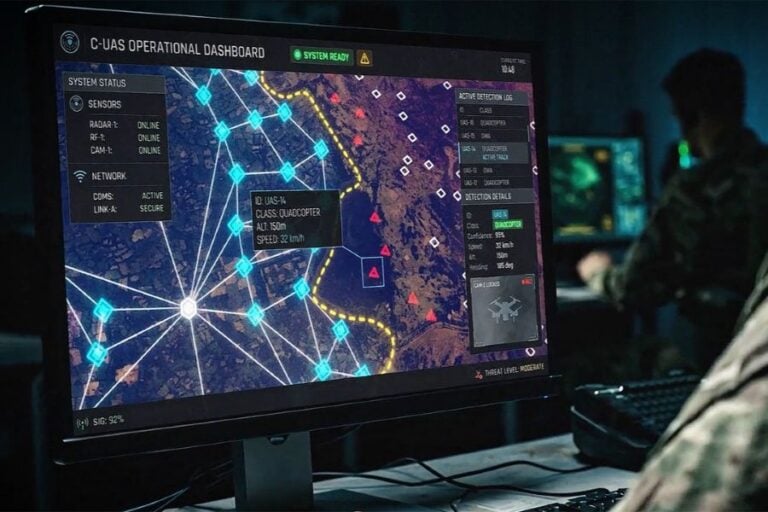


MARSS, an EOS company, will supply and integrate the system, which combines jammers, radars and interceptors. All of it will be tied into NiDAR, the firm’s AI-enabled command and control centre, to strengthen Kuwait’s ability to detect, deter and defeat airborne threats.
EOS had earlier announced on its own that it had won an air defence systems contract in a Middle Eastern market, without naming the customer. The Ministry of Defence’s statement now clears that up, and more on what EOS itself disclosed about the contract can be found here (LINK).
Production will be based in Bristol, and the Ministry of Defence said the contract is set to expand MARSS’s offices in the UK. The 100 new jobs will support skilled engineering and manufacturing roles, it said.
The ministry held up the deal as an example of what defence investment can do for the wider economy. It said such spending can bring jobs and opportunity to every part of the country.
The contract falls under Taskforce Sabre, which brings government and industry together to help Gulf states quickly get hold of the systems and weapons they need. “This deal is a clear demonstration of the UK delivering on its promise to support our regional partners,” said Luke Pollard, Minister for Defence Readiness and Industry.
“By backing Kuwait with world-leading British technology, we’re not just strengthening a vital ally’s defences against real and growing threats,” he said. “We’re creating skilled jobs here at home and proving that UK industry can deliver when it matters most.”
Kuwait’s purchase fits a wider pattern of moves by Gulf states, among them Saudi Arabia and Qatar. Their procurement effort is geared towards building strong capabilities against air targets, ballistic missiles and unmanned aerial vehicles.
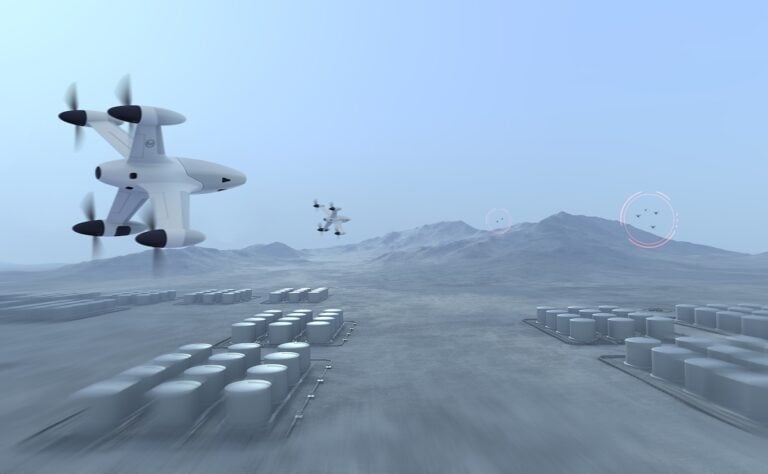
Behind it lies the fact that Iran’s armed forces have retained the ability to strike targets on the territory of states allied with the United States. Most exposed are energy facilities tied to oil and natural gas production and processing, though military and civilian targets and transport infrastructure are also at risk.
MARSS Chief Executive Johannes Pinl said the company would spend the period through 2027 integrating the system’s sensors and effectors. He argued that no single piece of kit is enough to stop drones and other aerial threats.
“Countering drones and aerial threats is not about any single system, it is about an intelligent, layered architecture that detects, decides and defeats within seconds, and MARSS has built exactly that,” Pinl said. “Through 2027, MARSS will integrate the sensors and effectors that protect Kuwait’s people, critical infrastructure and national assets, backed by British engineering and new skilled jobs here in the UK.”
Kuwait already has British help on this front. The UK has supported it with Rapid Sentry, a ground-based air defence missile system, and the Royal Air Force’s ORCUS system is operating in the country to help personnel detect drones early and take decisive action.
The ministry said the new contract builds on that support. It cements the UK’s role as a trusted defence partner to Kuwait and the wider Gulf region, it added.