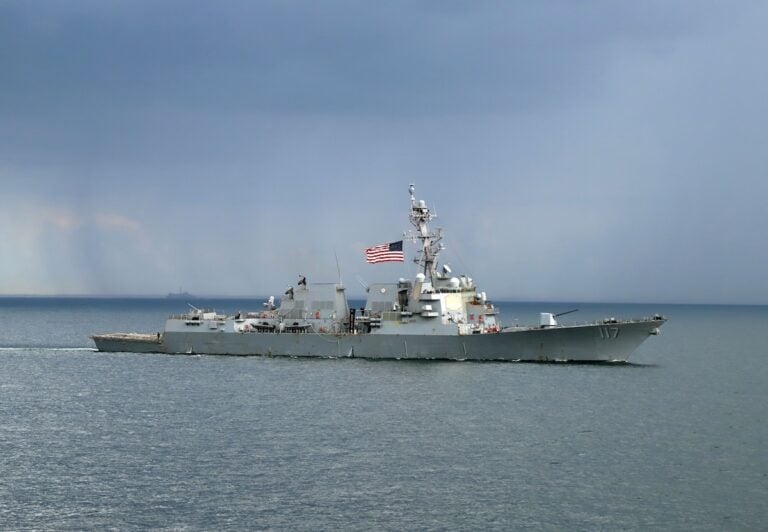

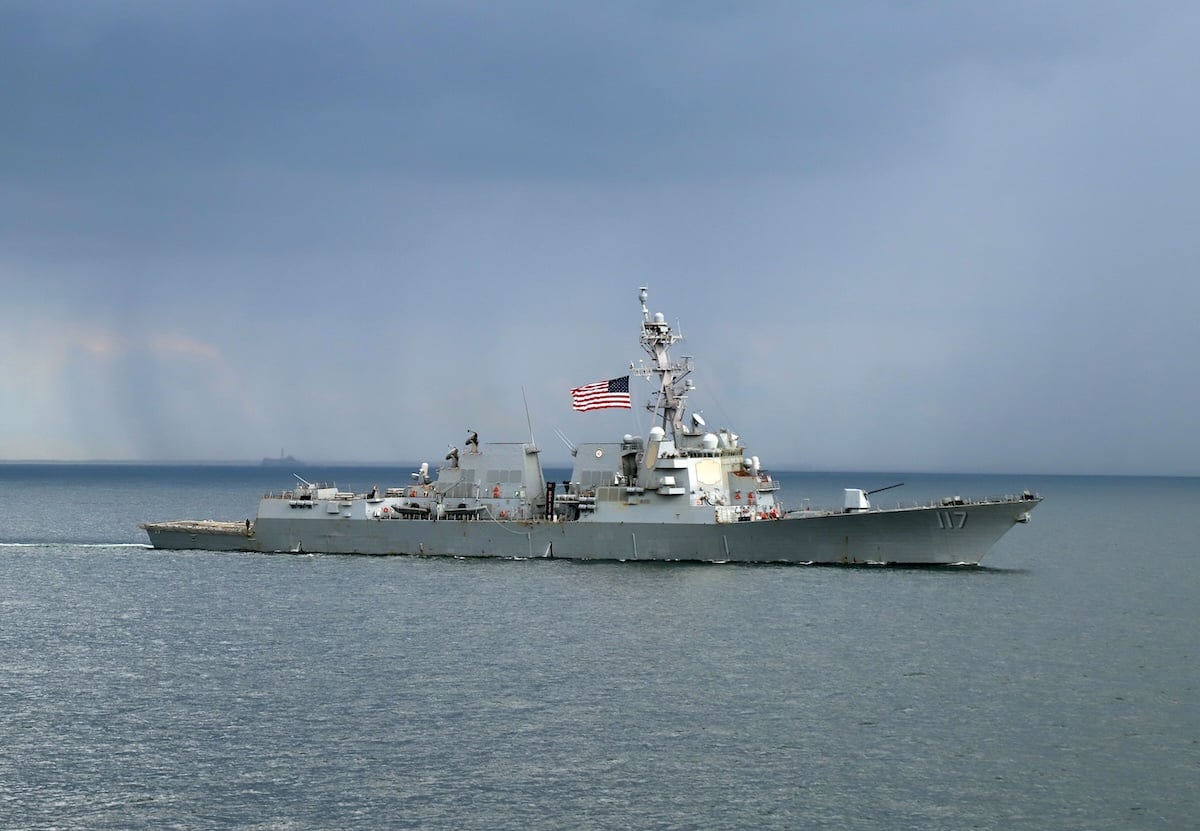
Swedish and Finnish ship riders boarded in Stockholm on October 5 and worked alongside U.S. sailors in the navigation department. They provided local knowledge and hydrographic expertise to help the destroyer navigate the shallow, complex channels of the northern Baltic.
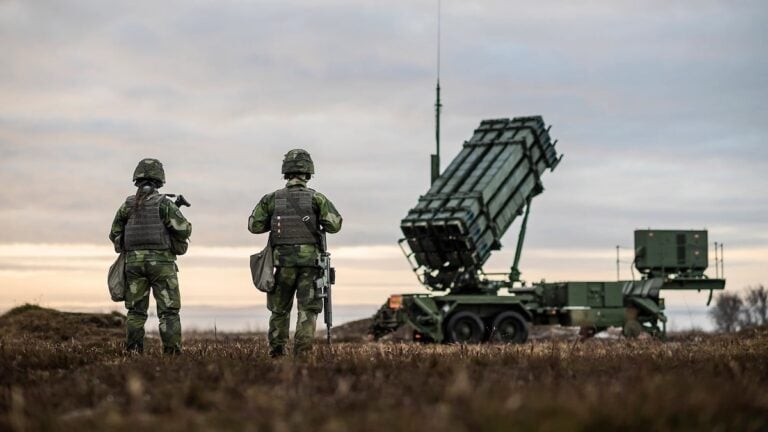
The three countries’ officers carried out navigational and tactical exercises while underway. Training in the Gulf of Bothnia included live firing against unmanned surface targets to test combined targeting procedures and joint air defense integration.
“Together with our Allies, we aim to secure the sea lines of communication for Finland and Sweden,” said Rear Adm. Tuomas Tiilikainen, commander of the Finnish Navy. “This way, we will enable Allied operations and safeguard the security of supply of our societies.”
Tiilikainen said the trilateral exercises supported Baltic defense arrangements by combining the participants’ expertise and capabilities. He also highlighted the destroyer’s contribution to maritime and air defense in the region.
The transit followed U.S. and Nordic maritime activities in Norway and exercises in the North Atlantic focused on long-range maritime defense capabilities. The Navy described them as part of a coordinated defensive framework linking the North Atlantic, High North and Baltic Sea.
“The highly capable integration of Finland and Sweden into the NATO framework continues to reinforce the security architecture of the High North and the Baltic Sea,” said Vice Adm. J.T. Anderson, commander of U.S. 6th Fleet. “The unmatched regional expertise and modernization efforts of our Finnish and Swedish Allies ensure NATO remains prepared to deter aggression and defend every single inch of Allied territory.”
During the Stockholm and Helsinki visits, Anderson met Finland’s chief of defense, Gen. Janne Jaakkola, Sweden’s chief of navy, Rear Adm. Johan Norlén, and Tiilikainen. Their discussions covered maritime infrastructure protection, response options in the High North and defensive coordination along NATO’s northern flank.
In Stockholm, Gen. Michael Claesson, supreme commander of the Swedish Armed Forces, met regional leaders to discuss the Swedish Navy’s expanding role in the alliance. He linked that role to modernization and closer cooperation with allied forces.
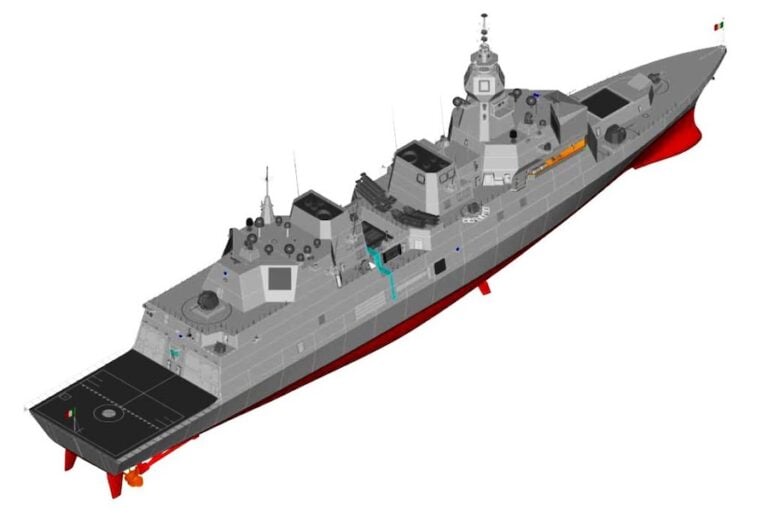
“Sweden is no longer just defending its own shores; we are actively contributing to the collective security of the entire Baltic Sea region and High North,” Claesson said. “Through high-end modernization like our new air-defense frigates and our deep integration with Allies like the U.S. Navy, we are showing that we can operate as one unified force.”
“The presence of the USS Paul Ignatius here in Helsinki is a clear, physical reminder of the United States’ ironclad commitment to our Finnish Allies,” said Howard Brodie, U.S. ambassador to Finland. “This visit, highlighted by the joint ship rider program, demonstrates that our security is seamless.”
Paul Ignatius is a forward-deployed destroyer operating in the U.S. 6th Fleet area of responsibility. The Naples-based fleet conducts joint and naval operations in support of U.S., allied and partner interests across Europe and Africa.