The proposal addresses an emerging constraint behind the growth of the global F-35 fleet: the limited availability of training capacity in the United States. New operators need pilots, maintainers, simulators and aircraft at the same time that established customers are enlarging their fleets.
Washington supports the Italian plan, but no firm U.S. service resources have been committed. Arrangements governing pooled aircraft and other shared assets also remain unresolved, leaving important questions over funding, access and management.
Those decisions will determine whether Trapani can open on schedule and operate at the scale required by European customers. They will also define how participating countries divide aircraft, personnel and training slots among national programs with different delivery timetables.
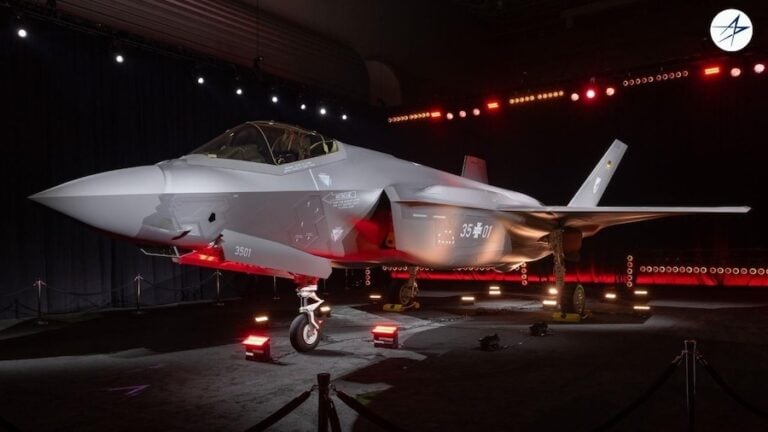
For Italy, the project offers an opportunity to expand its position within the F-35 enterprise beyond operating the aircraft. The country already hosts the final assembly and check-out facility at Cameri, which also provides maintenance support for European F-35s.
Adding a regional training center would connect aircraft assembly, sustainment and personnel preparation within the same national industrial structure. It would also give European operators an alternative to sending a large share of their aircrews and maintainers to the United States.
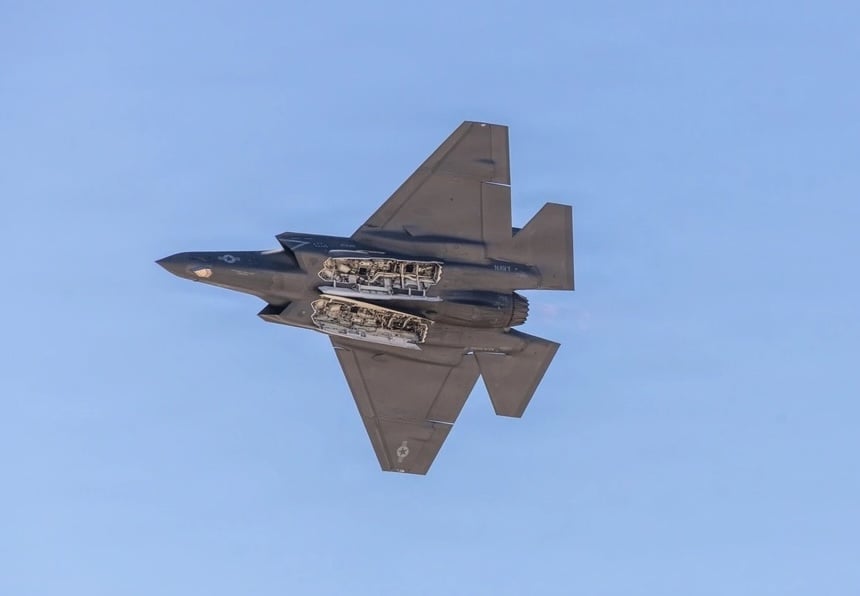
The F-35 program now includes seven cooperative partners and 12 Foreign Military Sales customers. More than 1,200 aircraft operate from 48 bases and 12 ships across 20 countries, with further deliveries scheduled throughout the 2030s.
Europe accounts for a large share of that growth. Five cooperative partners and eight Foreign Military Sales customers are European countries, creating overlapping requirements for aircraft, operating bases and trained personnel.
Switzerland plans to send its first eight F-35As to Ebbing Air National Guard Base for training in 2027. Greece expects its first training aircraft in late 2028 before receiving its first fighter in the country in mid-2030.
The Czech Republic is scheduled to begin receiving training aircraft in the third quarter of 2029, followed by its first in-country delivery in 2031. Romania’s first eight F-35As are also expected at Ebbing in 2031, with the first aircraft arriving at Câmpia Turzii the following year.
Poland had received eight F-35As for pilot training in the United States when the assessment was prepared. Germany has also added U.S. training facilities to its program while building its main operating site at Büchel.
Pressure on American training infrastructure is not limited to Europe. Singapore plans to station 12 F-35Bs permanently at Ebbing, while Canada is scheduled to begin pilot training in October 2026 ahead of its first domestic aircraft arrivals in 2028.
Demand may rise further as existing customers expand their purchases. Denmark has increased its planned fleet from 27 to 43 aircraft, while Belgium has requested 11 additional fighters beyond its original order.
This growth is shifting the F-35 program from a largely U.S.-centered training model toward a broader international structure. Italy’s proposal would place a significant part of that structure in Europe and reduce the distance between training locations and future operational bases.
A center at Trapani would also strengthen Europe’s ability to absorb additional aircraft without relying exclusively on limited U.S. facilities. Its value would grow as more countries move from acquisition and infrastructure work into sustained flying operations.
The project remains at the proposal stage, however, and U.S. support has not yet translated into committed service resources. Its future will depend on agreements covering pooled aircraft, shared assets and the responsibilities of the countries expected to use the facility.
The Italian proposal is detailed in the *Modernized Selected Acquisition Report (MSAR): F-35 Lightning II Joint Strike Fighter (JSF) Program (F-35), FY 2027 President’s Budget*. The U.S. Department of War report was effective April 21, 2026, and cleared for public release on August 3.