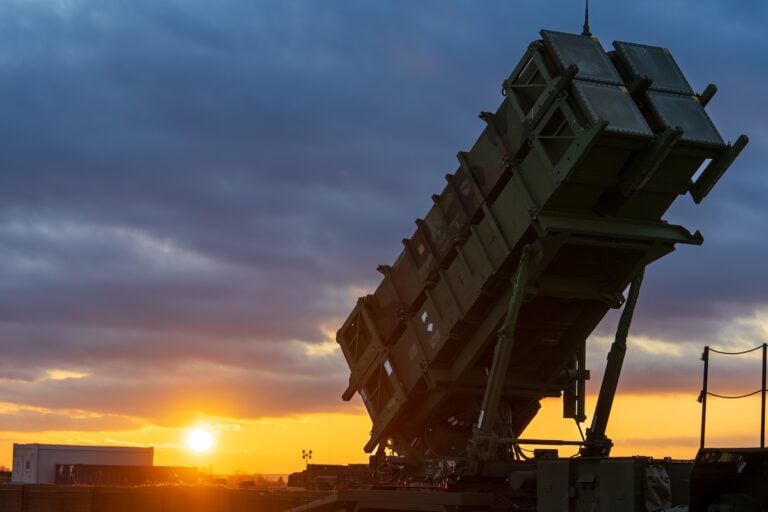

“IFPC is now a program that is hitting its full stride in production,” Bell said. “We’re delivering more and more units every year, every month.”
Bell made the comments during Leidos’ second-quarter 2026 earnings call. He said the company was expanding its defense-technology growth priorities beyond space and maritime to include munitions and counter-UAS capabilities.
The IFPC program is meeting its testing and fielding objectives with customers, according to Bell. “We feel like that program is in full swing now,” he said.
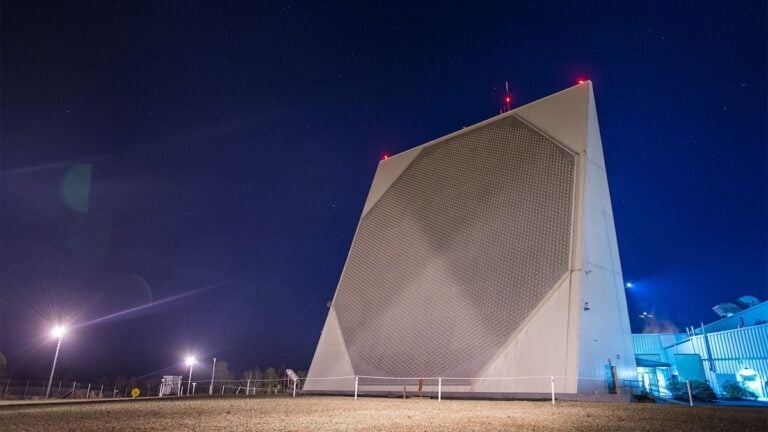
Leidos is also expanding its work in space-based missile warning and tracking. Bell cited a recent award for sensor payloads for 18 additional missile-warning and missile-tracking satellites supporting Golden Dome.
“Our recent award to provide the sensor payloads for an additional 18 missile warning and missile tracking satellites in support of Golden Dome,” Bell said while discussing major defense-tech programs started this year. He did not provide the value of the award during the call.
Bell said Leidos sees opportunities to apply its defense technologies across broader US military requirements. He identified Golden Dome, base defense and counter-UAS as areas where the company’s products could play a role.
“We’re very bullish about the suite of products we have in our defense tech business and the opportunities for them to be key enablers for macro programs like Golden Dome and macro needs like base defense and counter-UAS,” Bell said.
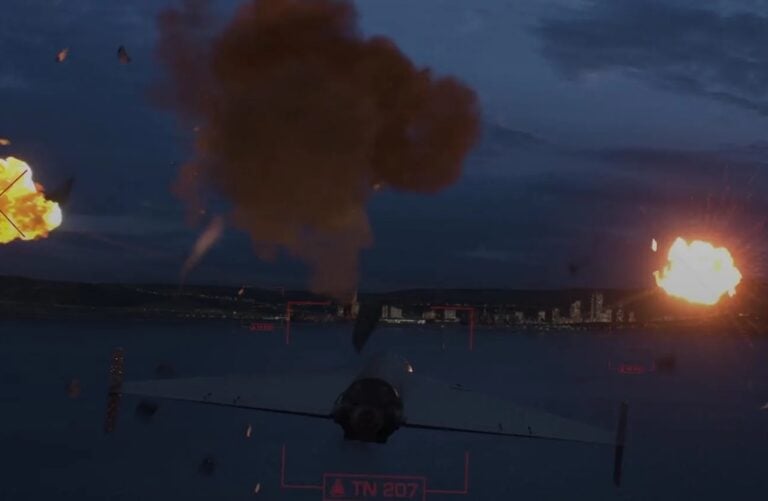
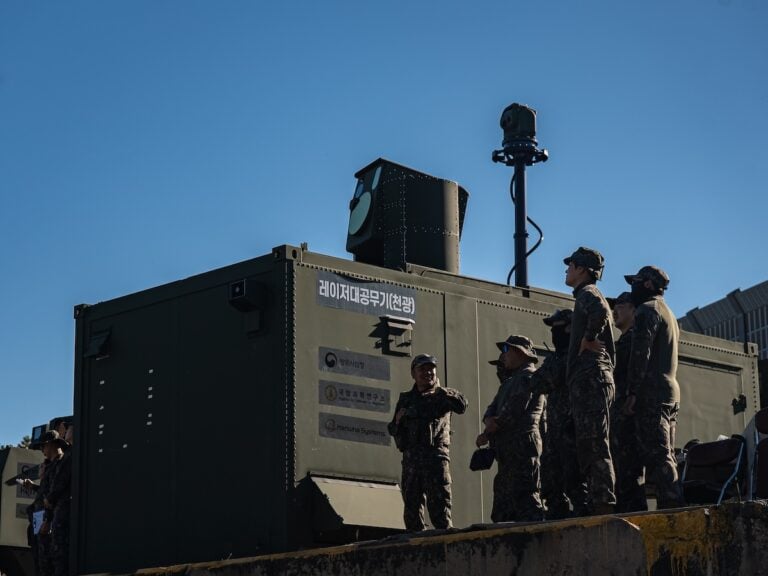
Counter-UAS is also becoming a larger part of Leidos’ defense growth strategy. Bell said the US administration had shown interest in understanding the company’s capabilities in the sector.
“I didn’t talk a lot about counter-UAS, Mariana, but that’s an area that this administration is very keen to understand Leidos’ capabilities in,” Bell said. He said Leidos has capabilities in both detecting unmanned aircraft and applying non-kinetic effects against them.
“Obviously, we have some very exquisite capabilities when it comes to sensing unmanned aerial vehicles, but we also have some robust capabilities when it comes to non-kinetic effects against unmanned aerial vehicles,” Bell said.
Potential counter-UAS work is included in a broader $12 billion defense-tech opportunity pipeline that Leidos sees over the next 12 months. Bell said that pipeline also covers follow-on work and new production contracts.
Leidos is increasing its Huntsville workforce as the defense-tech business expands. Bell said employment there had risen 13% since the start of 2026, with manufacturing workers accounting for 33% of the increase.
“Our defense tech business is something we’re leaning into and expecting to grow into the future,” Bell said. He said the size of the pipeline reflected the company’s expectations for continued expansion.