Reaching Mach 5 is not a new technical achievement, because intercontinental ballistic missiles have exceeded that speed for decades. The harder task is keeping a powered vehicle at hypersonic speed inside the atmosphere while retaining the ability to maneuver.
That requirement creates severe thermal and aerodynamic pressures. At Mach 5, compressed air can drive surface temperatures above 2,200 degrees Fahrenheit, beyond the limits of aluminum and common titanium structures.
Manufacturers have turned to carbon-fiber composites, specialized ceramics and heat-resistant coatings to keep vehicles intact. They must also manage a narrow flight corridor between denser air that generates destructive heat and thinner air that cannot sustain an air-breathing engine.
“Designing for Mach 5 on a computer screen is one thing, but building high-temperature systems that survive real-world environments requires decades of hard-won knowledge,” said Johnathon Caldwell, Lockheed Martin vice president and general manager of Strategic and Missile Defense Systems. “Our nearly seven decades of advanced research, testing and integration are what allow us to solve these complex challenges with confidence.”
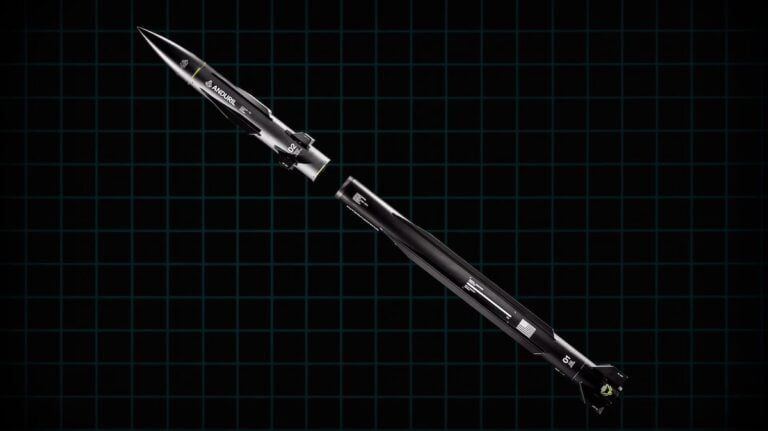
Scramjet propulsion is central to longer-duration atmospheric flight because it draws oxygen from the surrounding air instead of carrying heavy oxidizer tanks. The engine has no fans or turbines and uses the vehicle’s forward speed to compress air before mixing it with fuel.
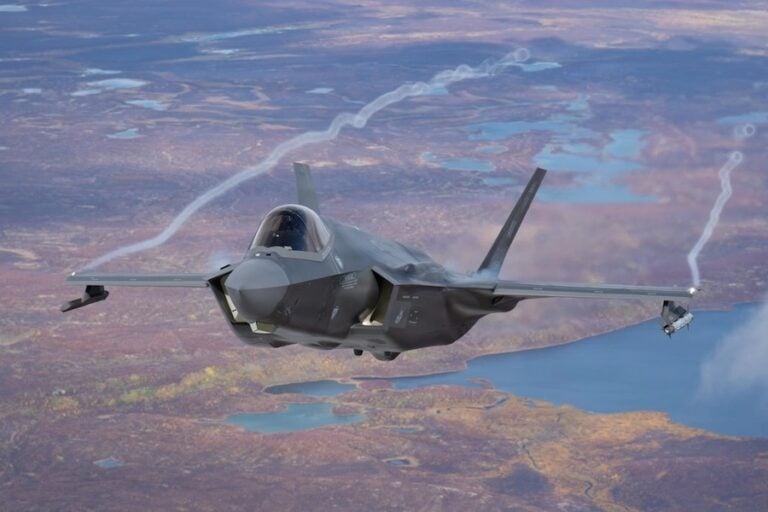
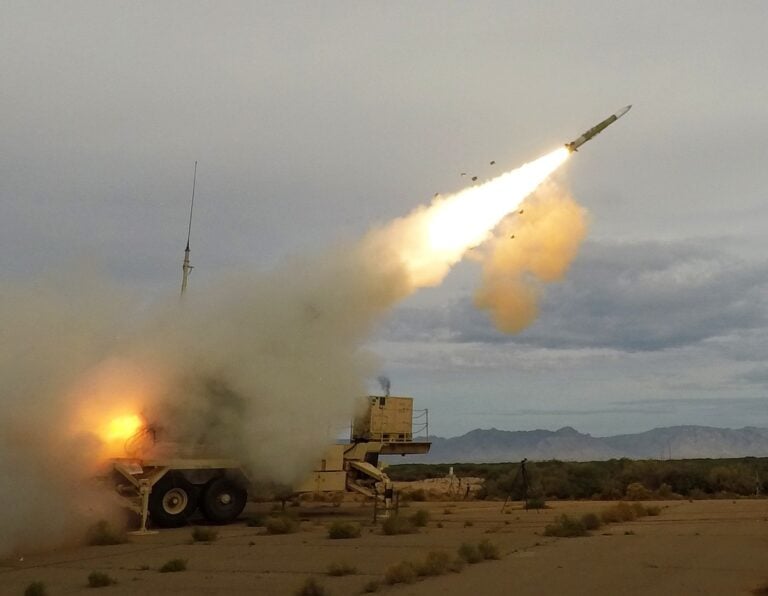
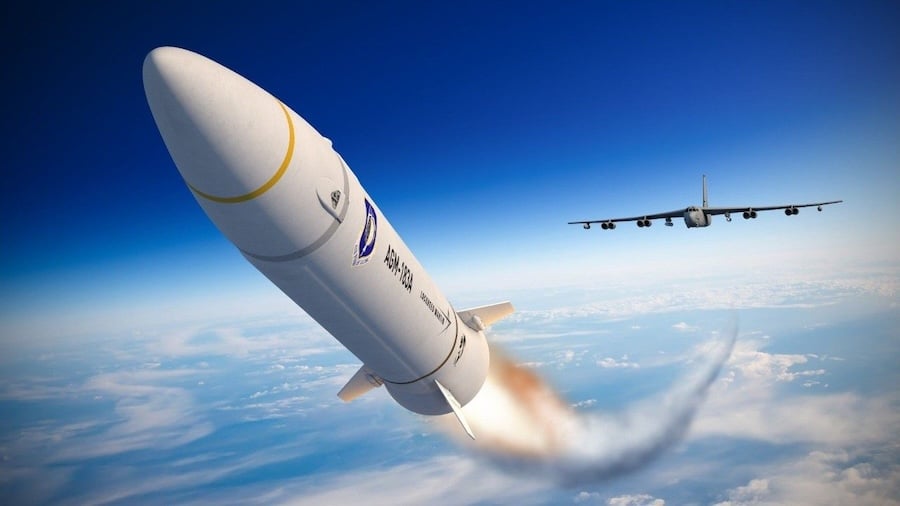
A scramjet cannot operate from a standstill, requiring the weapon to reach sufficient speed before the engine starts. Lockheed Martin identified aircraft release, cold-gas ejection and hot launch among the methods available for that initial acceleration.
Sustained power allows a hypersonic vehicle to fly lower and maneuver during its mission. Unlike a ballistic missile following a predictable arc, it can alter course and leave defensive systems with less time to determine its destination and respond.
Lockheed Martin said that combination supports strikes from significant standoff ranges against advanced air-defense networks. The company is positioning maneuverable hypersonic systems as conventional options capable of reaching defended targets with little early warning.
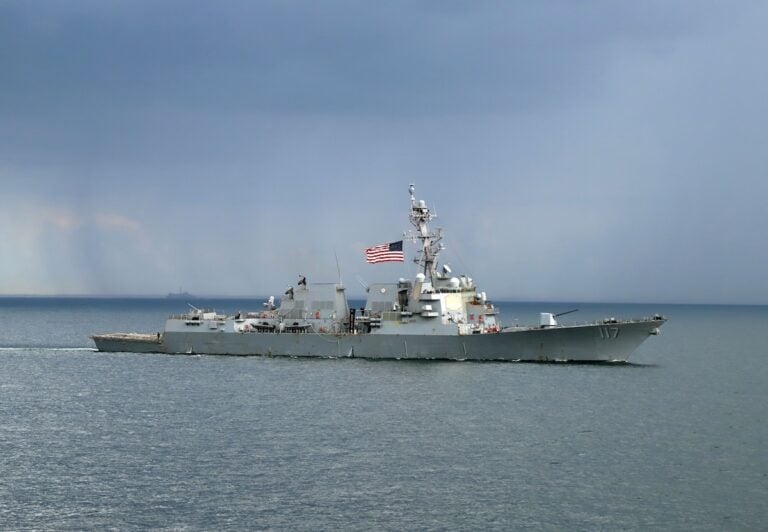
The industrial challenge is now shifting from producing test vehicles to manufacturing operational weapons at scale. Factories require robotic inspection systems for composite structures, high-temperature furnaces for protective coatings and production methods that can support air-, sea- and ground-launched configurations.
“Having a great design doesn’t help the warfighter if it stays stuck in development,” said Jon Hill, vice president and general manager, Air Dominance and Strike Weapons, Lockheed Martin Missiles and Fire Control. “What matters today is that we have proven systems and the mature manufacturing capacity ready to deliver high-quality hardware to the warfighter at speed.”
The company said progress will depend on combining propulsion, thermal control and maneuverability with reliable serial production. That shifts the focus from isolated speed records toward systems that can remain powered, survive extreme conditions and be delivered in operational quantities.
Source: Lockheed Martin.