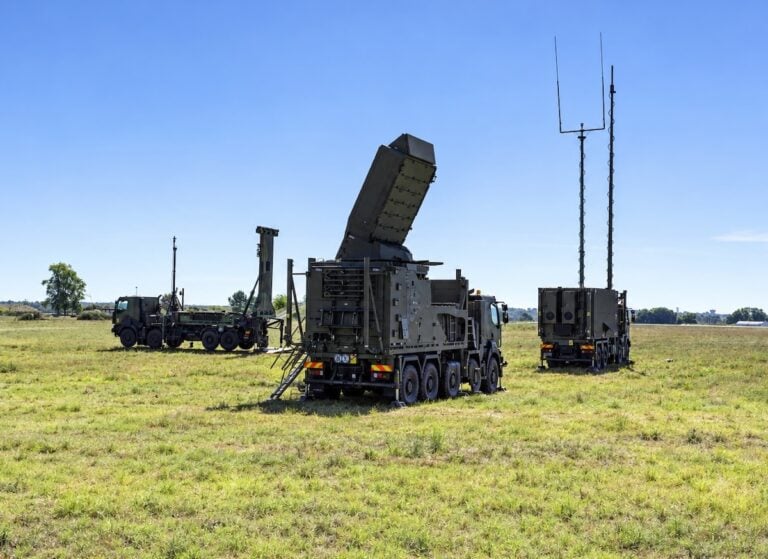
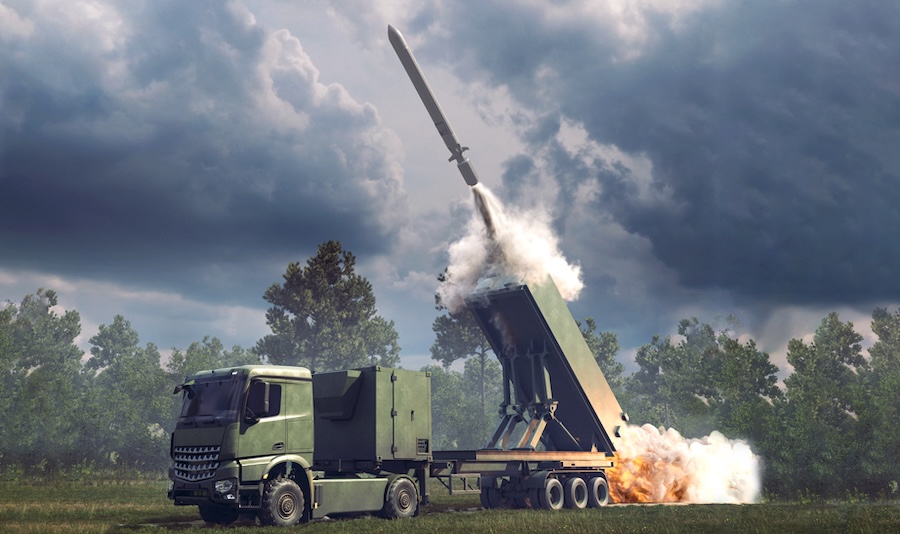
The programme expands bilateral work launched under the Trinity House Agreement, which Britain and Germany signed in October 2024. London has placed long-range strike and close-support artillery at the centre of its growing defence relationship with Berlin.
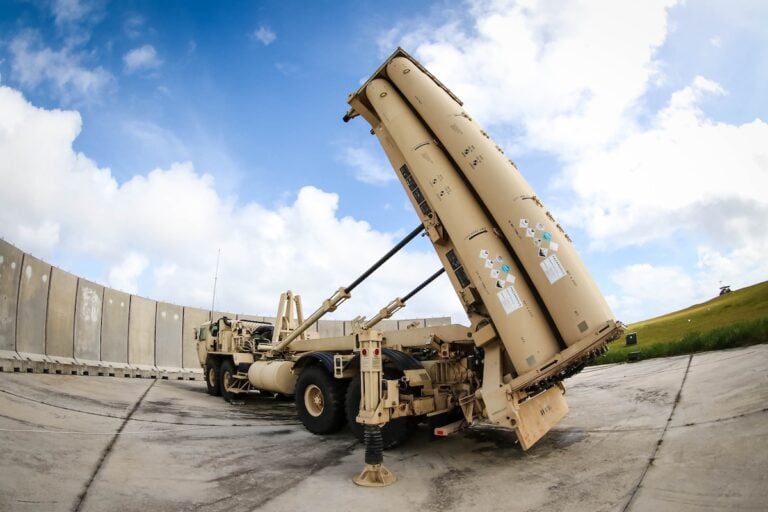
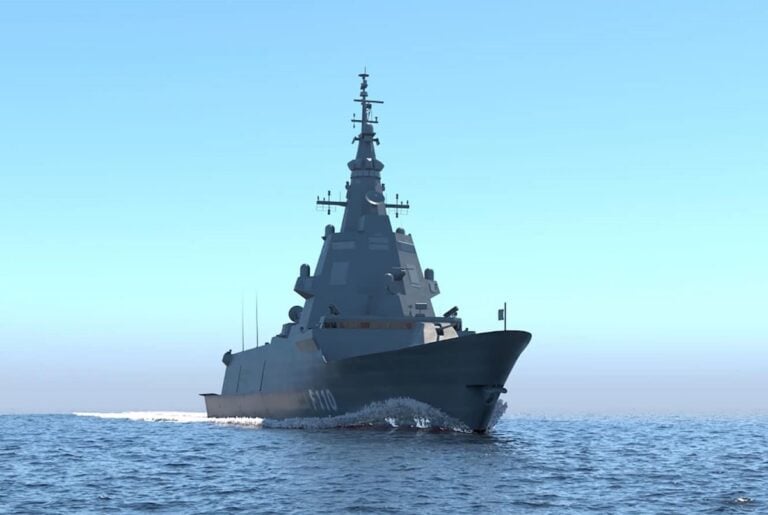
Work will initially concentrate on ground-launched weapons, providing the programme with a defined route towards fielding its first capability. Britain and Germany will also examine air-launched and naval options, opening the way for a broader family of weapons operating across several domains.
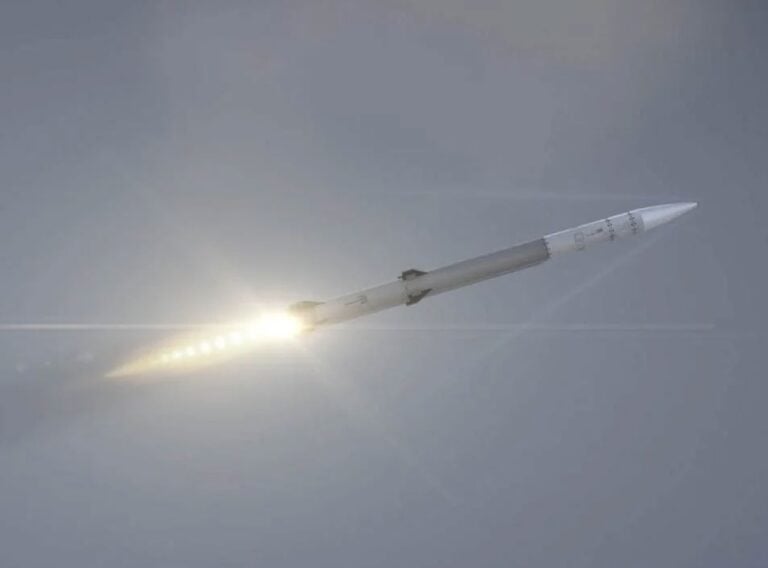
The Defence Investment Plan says the programme may produce a family of stealth cruise and hypersonic weapons. These systems would operate alongside Britain’s existing Tomahawk deep-strike capability during the 2030s.
The programme is intended to give commanders more options for deterrence and military response while extending the range of Britain’s conventional firepower. The government identifies Deep Precision Strike as a means of reaching strategic targets with weapons designed to be difficult to defeat.
The investment also reflects Britain’s stated goal of taking greater responsibility for European security and strengthening NATO against Russia’s growing aggression. The government has made joint development with allies a central part of that policy, linking military cooperation more closely with weapons production and procurement.
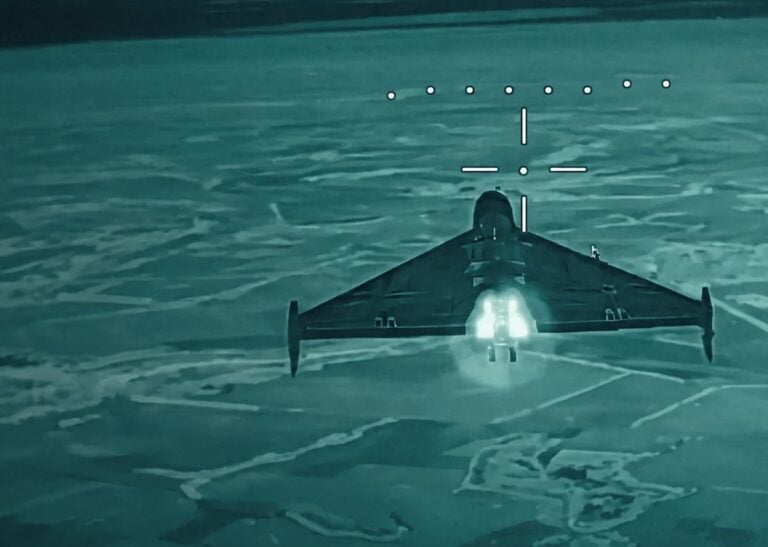
Deep Precision Strike accounts for £770 million of the £11.1 billion Britain plans to spend on weapons and munitions over the next four financial years. The wider investment seeks to combine advanced long-range missiles with less expensive cruise weapons and one-way attack systems.
Further funding is planned after the initial phase. Britain expects to invest at least £20 billion in weapons and munitions between 2030 and 2035, including additional spending on long-range cruise and hypersonic systems pursued with Germany.
The document does not identify the companies expected to participate, where the weapons will be produced or how many may eventually be ordered. It also provides no detailed schedule beyond the objective of producing weapons with ranges above 2,000 kilometres early in the next decade.
The £770 million allocation therefore marks the opening financial commitment rather than the programme’s final cost. It gives the British-German project a clearer path towards becoming a central element of Britain’s future strike portfolio and NATO’s broader deterrence posture.