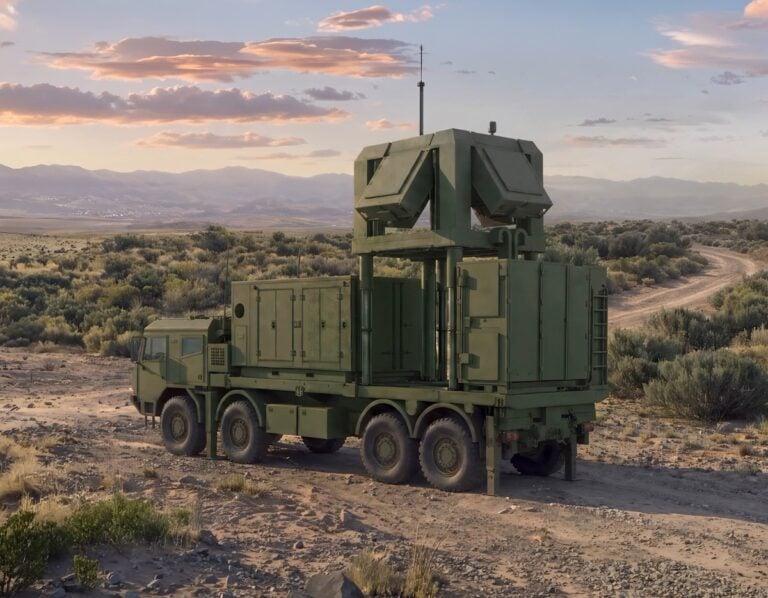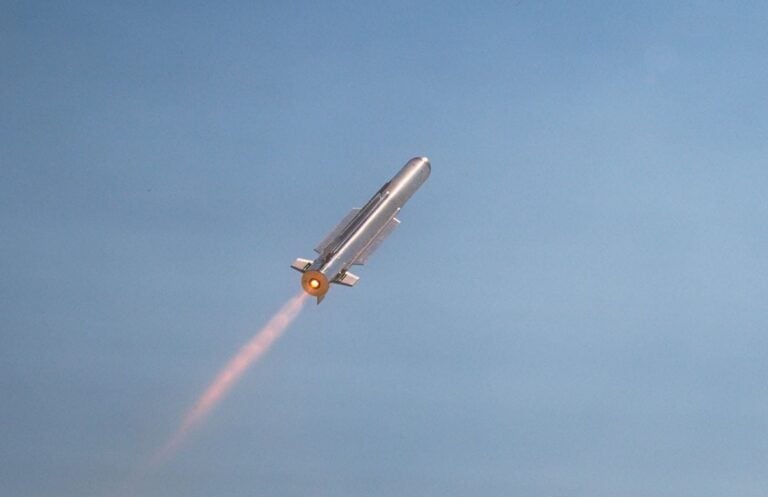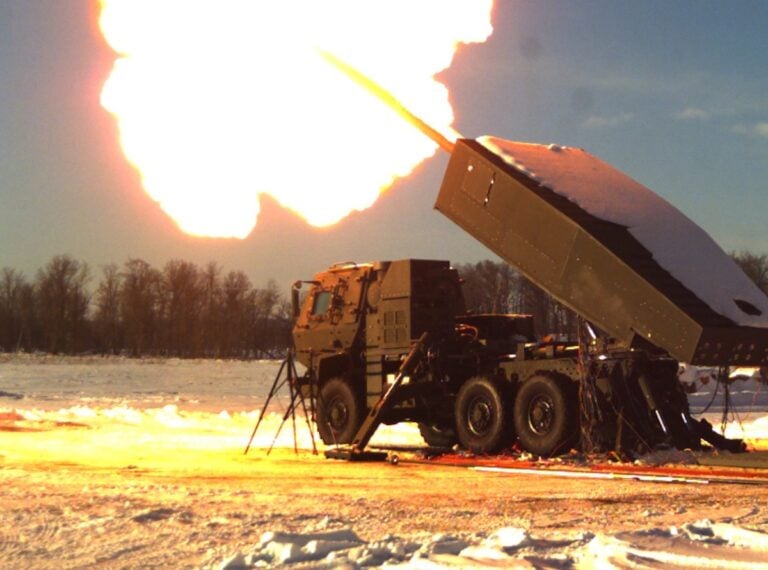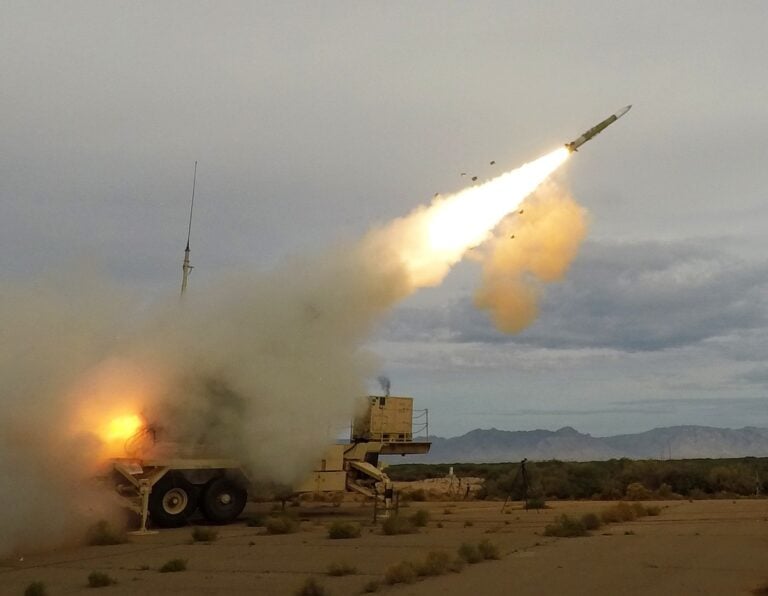

The demonstration integrated an Australian Defence Force CEA radar with virtualized Aegis Weapon System capabilities. It also connected Aegis with a mobile ground-based launcher for the engagement.
The CEA radar identified and tracked a representative threat during the test. Aegis then initialized the mobile launcher to engage the target.
Lockheed Martin deployed the virtualized Aegis capability in a small-scale expeditionary configuration. The system provided command and control for the developmental Medium Range Ground Based Air Defence capability.
The demonstration used the Aegis baseline developed for two Australian naval programs. Those programs cover the Hunter-class frigates and modernization of the Hobart-class destroyers.
Lockheed Martin said the approach builds on existing Australian Defence Force investments. The company said it also supports cross-service integration and interoperability.
“This demonstration showcased how existing systems can be integrated across domains and orchestrated across coalition partners to achieve mission success,” said Joe DePietro, Mission Integration Command and Control Vice President and General Manager at Lockheed Martin. “This prototype demonstration lays the groundwork for air defence modernisation, providing decision-makers with more time to respond and increasing the effectiveness of coordinated air and missile defence systems.”
Lockheed Martin Australia and New Zealand Chief Executive Jeremy King said the test offered Australia an accelerated capability option. He linked the prototype to the Australian Defence Force’s requirement for medium-range ground-based air defense.
“This live fire demonstration provides accelerated capability options to deliver a medium-range, ground-based air defence capability for the Australian Defence Force,” King said. “This prototype system leverages existing weapons, launchers and command and control.”
“It can fire any of the weapons currently fielded on the Hobart Class Destroyers or future Hunter Class Frigates,” King said. The company said the prototype therefore builds on weapons already associated with Australia’s naval air defense programs.
King said the system could extend the Australian Defence Force beyond point defense. He also linked the concept to wider network integration and coalition operations.
“A medium range ground-based air defence platform will propel the ADF from point defence to a network integrated, medium range deterrent that will fundamentally enhance our operational flexibility, deterrence posture and coalition interoperability,” King said. Lockheed Martin said the prototype could support future air defense projects tailored to national and regional requirements.
Lockheed Martin Australia is the strategic partner for Australia’s AIR6500 Joint Air Battle Management System. The company said it is ready to integrate future MRGBAD capabilities into the ADF’s integrated air and missile defense architecture.