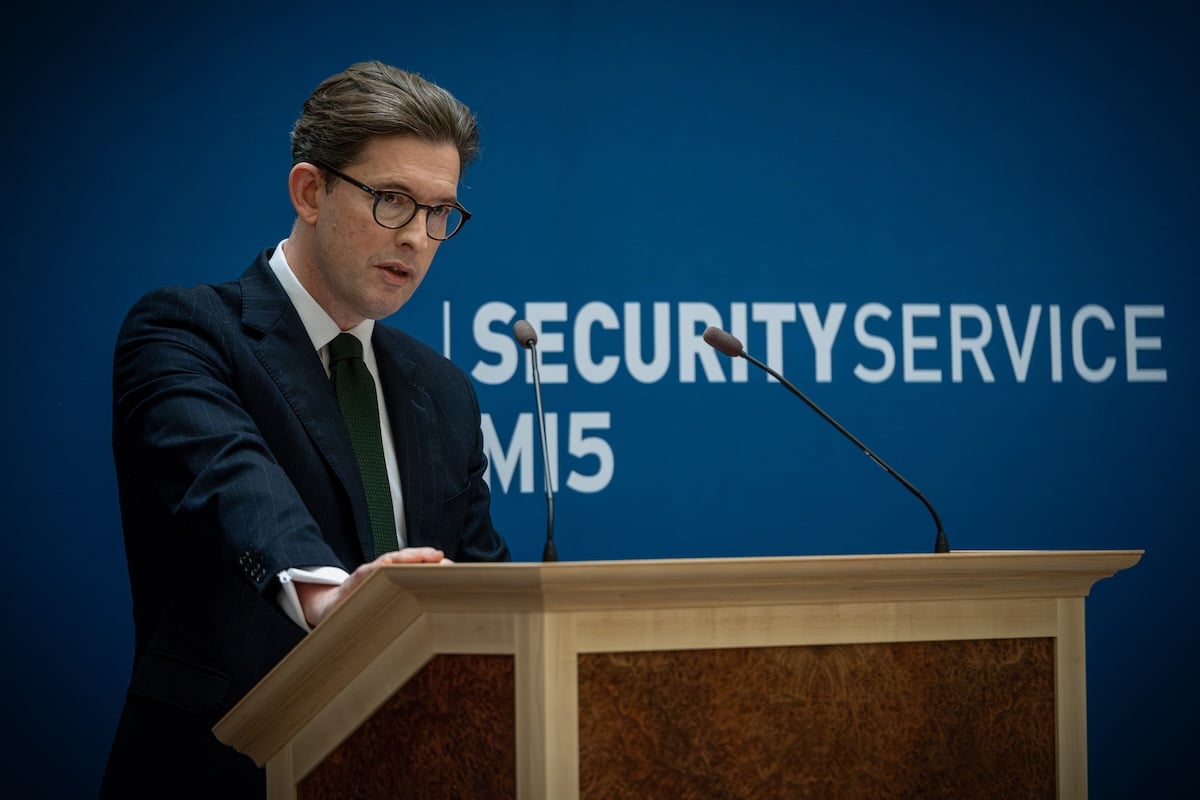
Speaking at Thames House on 13 October, McCallum said MI5’s state-threat caseload had quadrupled over the past decade. The agency now commits more resources to those threats than it did during the Cold War.
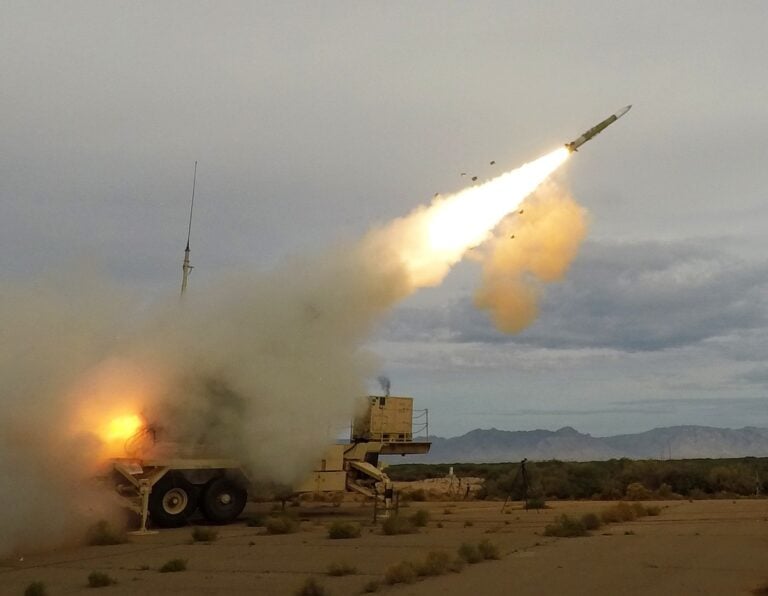
McCallum described Russia as “aggressor number one” and said its military and intelligence services were escalating operations short of conventional conflict. He cited a cyber-attack on Polish energy infrastructure, an unsuccessful attempt to destroy a cargo aircraft in Germany with an explosive-laden drone, and a thwarted assassination plot in the United States.
In Britain, a man was charged in September under the National Security Act for allegedly preparing to sabotage a drone factory in Swindon. McCallum said attempts to unsettle European countries came as Russia’s military progress in Ukraine remained limited and costly.
Almost 1,000 expulsions since the invasion have weakened Russia’s traditional intelligence presence, he said. The Kremlin is consequently paying criminals and exploiting volunteers to carry out its operations.
“The whole aim of hybrid tactics is to try to intimidate us,” McCallum said. “So let’s not fall into that trap.”
He urged energy companies, defence suppliers and critical infrastructure operators to follow protective guidance on sabotage, drones and cyber threats. His advice was to prepare before an attack rather than respond only after disruption had occurred.
Iran-linked operations led to more than 50 arrests in Britain over the previous 12 months, McCallum said. He accused Tehran of using criminal proxies to intimidate dissidents, Iranian media organisations and Israeli sites.
Iran has also sought to expand its operations towards military sites, he said. McCallum declined to provide details, citing ongoing investigations and the need to avoid prejudicing potential prosecutions.
Much of the aggression has been directed at British Jewish communities. Two Iranian nationals were recently charged with terrorism offences following an alleged plot targeting the Jewish community in Manchester.
McCallum said members of Iran’s Islamic Revolutionary Guard Corps were behind a front group that claimed spring arson and sabotage attacks against Jewish communities in Britain and elsewhere in Europe. Both entities have been designated under the National Security Act, giving authorities additional powers to disrupt their activities and prosecute offences.
McCallum said MI5’s work on China focused on espionage, coercion and interference with democracy. He cited the first China-linked national security convictions in May, when two men were jailed over an attempted “shadow policing” operation against a Chinese national in Britain.
An alert issued to universities two weeks before the speech identified a research institute regularly used by Chinese intelligence. McCallum said it had funded British AI and cybersecurity projects intended to improve China’s espionage capabilities.
The alert followed warnings about cover companies, fake recruitment profiles and professional networking sites being used to target people. McCallum nevertheless said partnerships with Chinese organisations could continue where they served Britain’s interests.
“Resilience doesn’t have to come at the cost of progress,” he said. “We can and should pursue partnerships with Chinese organisations that are in the national interest – just being alive to potential risks while doing so, and making conscious, proportionate choices.”
MI5 has elevated protective security to a third core mission alongside counter-terrorism and countering state threats. It covers infrastructure, social cohesion and technological risks, reflecting McCallum’s warning that hostile operations increasingly target businesses and communities.
He also announced an AI Threat Assessment Centre housed within MI5 and drawing expertise from several agencies. The centre will assess emerging risks as the intelligence services work with the AI Security Institute and Five Eyes partners.
“In this new world, we should expect to be tested,” McCallum said. He argued that keeping the country functioning under pressure would deny adversaries the disruption they seek and reduce their incentive to attack again.