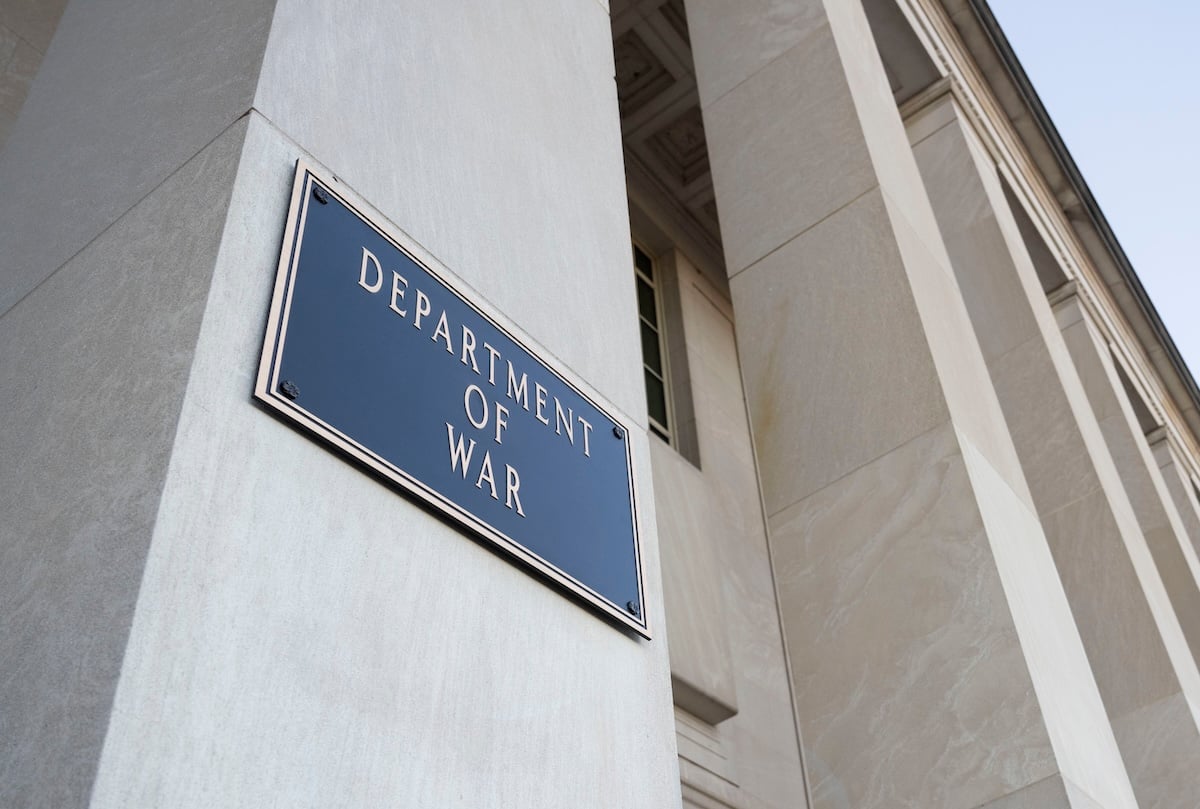
“The House and the Senate Armed Services Committee have both backed restoring the Department of War name in this year’s defense bill,” Parnell said in an editorial. “Lawmakers should keep it in the final version and send it to the president’s desk.”
Parnell rejected criticism that the renaming was symbolic or unnecessary. He said explicitly defining the department’s purpose as fighting and winning wars would strengthen alliances and discourage adversaries from testing U.S. commitments.
“Words define the mission, and the mission drives everything else,” Parnell wrote. “As for our allies, we owe them a clear statement of our core mission: to fight and win wars.”
He said the name change would leave existing responsibilities and constitutional powers unchanged. The military would continue disaster response, support for allies and other lawful missions.
“Our forces will still respond to disasters, support allies and carry out every lawful mission,” Parnell said. “And the name changes nothing about the constitutional roles of Congress or the president.”
Parnell linked the change to the administration’s “peace through strength” policy and Secretary of War Pete Hegseth’s emphasis on readiness. He argued that the ability to prevail in conflict should deter adversaries from starting one.
He also said acquisition decisions, training exercises and strategic investments should be judged by whether they make U.S. forces more capable of defeating threats. His priorities included superintelligence, autonomous systems, advanced weapons and rebuilding the defense industrial base.
Source: U.S. Department of War.