
Defence Minister Martin Pfister faced 19 questions from lawmakers two weeks after the report was published. Parliamentarians pressed him on who was responsible for the procurement failures and whether they could lead to criminal consequences.
“The Federal Council will set out its position in due course,” Pfister said repeatedly during the parliamentary questioning. The government is expected to issue its formal response to the audit in December.
The report, published on 8 September, identified serious shortcomings in Switzerland’s negotiations with the United States. Its finding that no fixed price had been agreed contradicted previous statements by former defence minister Viola Amherd and the federal procurement agency, armasuisse.
The audit also examined the role of Homburger, an external consultancy hired to support armasuisse during the contract negotiations. It highlighted a conflict of interest within the firm in relation to the fixed-price issue, leading several lawmakers to question the legality of the arrangement.
“Enlisting the help of an external consultancy is standard practice,” Pfister said. He added that the report “found no unlawful conduct or financial loss within the meaning of liability law.”
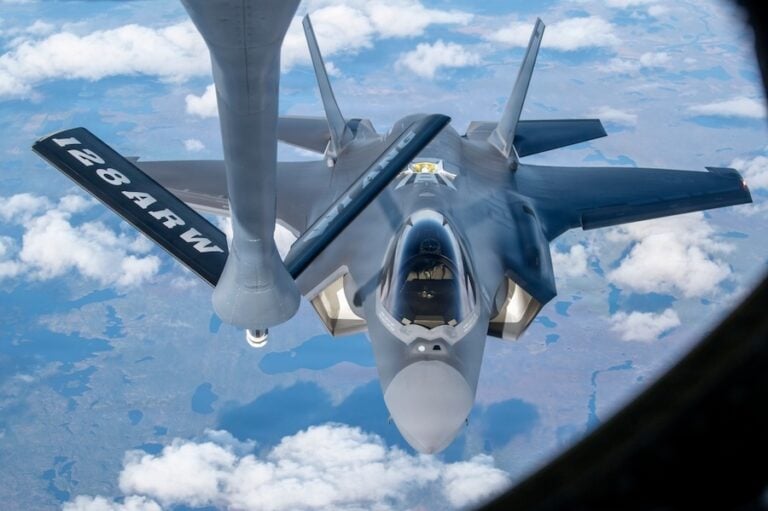
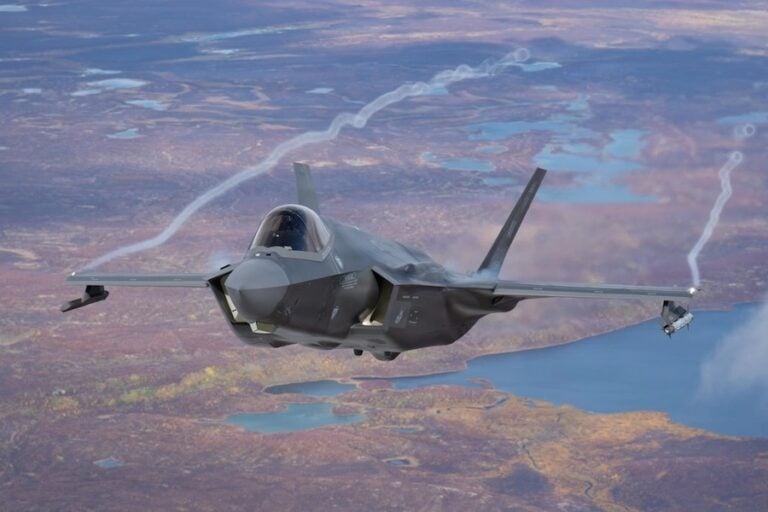
The government has requested CHF394 million to cover the additional procurement costs. Switzerland had paid almost $2 billion for the fighter aircraft by the end of June, against a total budget of CHF6.4 billion.
Pfister said operating costs were “on track” to remain within budget. The unresolved procurement-price dispute and the reduced aircraft order have increased political scrutiny of Switzerland’s largest fighter acquisition, according to SWI swissinfo.ch.
Source: swissinfo.ch.