
The agreement was signed at Eurosatory 2026 and expands existing cooperation between the two European defence companies. It is intended to support armed forces in Europe and international markets while addressing system integration and scalable manufacturing.
Destinus will contribute its interceptor systems and long-range effectors portfolio. Thales will provide expertise in air defence, artificial intelligence for critical systems, key subsystems and industrial production.
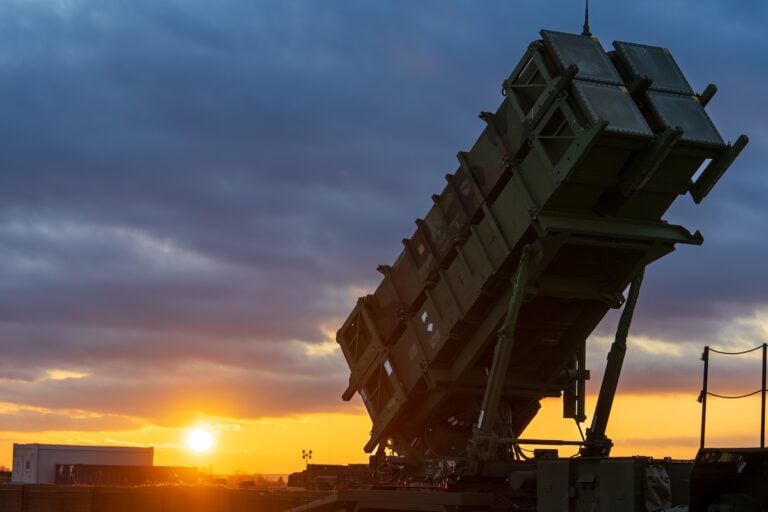
The companies have identified five areas for cooperation under the agreement. These include subsystem supply, Hornet interceptor production, counter-UAS integration, long-range effectors and future ground-based air interception.
Thales plans to supply Destinus with key subsystems for interceptor systems and long-range effectors. Those systems may include military warheads aligned with NATO standards.
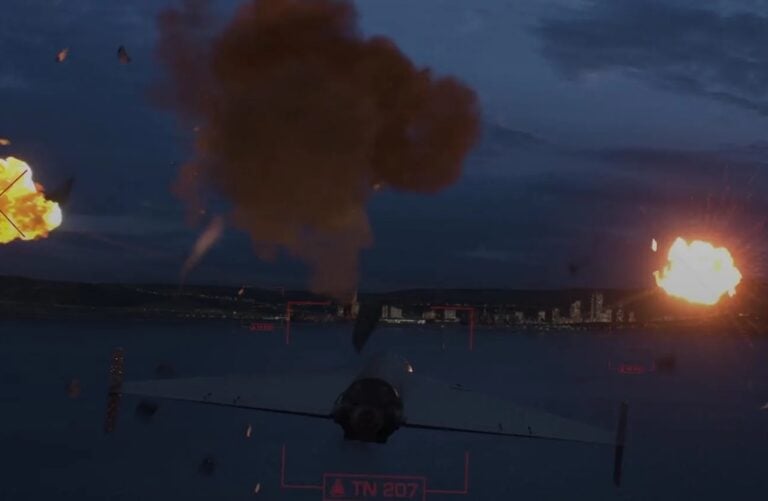
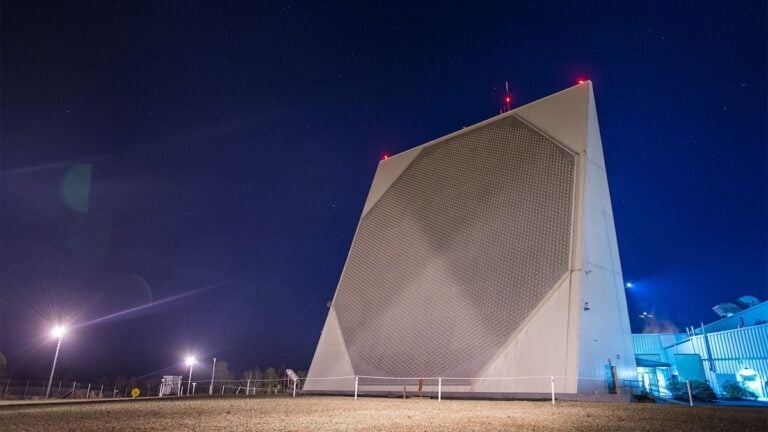
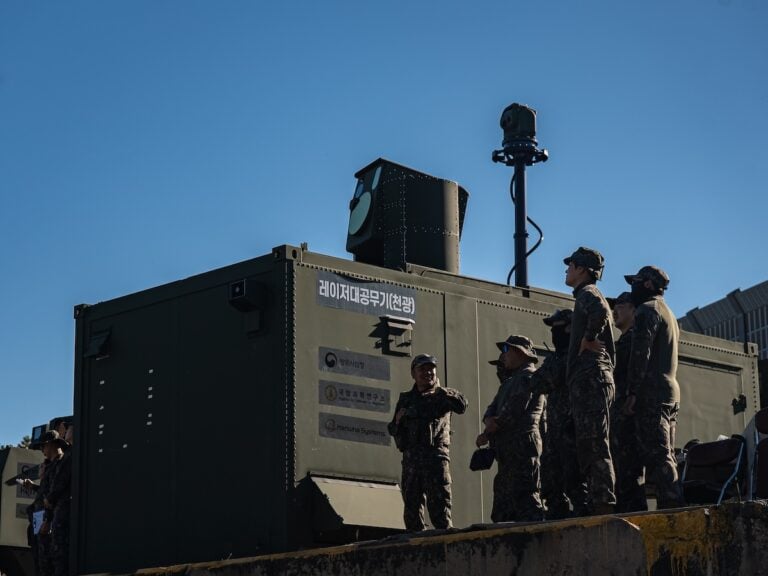
The two companies also plan joint production of the Hornet interceptor system at an industrial site qualified for work involving pyrotechnical elements. They will also work to make the Hornet family interoperable with Thales counter-UAS systems and radars.
Another area of cooperation covers long-range effectors designed for deployment from tactical transport aircraft. Thales and Destinus also plan to develop ground-based air interception capabilities for future NATO Integrated Air and Missile Defence architectures.
The agreement links system integration with industrial production requirements. The companies said their combined technologies are intended to support high-intensity operations.
Interoperability is a central part of the planned architecture. Destinus said air defence systems need to connect detection, command and engagement functions from the design stage.
“Layered air defence only works when systems interoperate by design, not as an afterthought,” said Tim Moser, Chief Technology Officer of Destinus. “Bringing Thales’ air-defence, radar, and critical-systems expertise together with our interceptor architecture lets us close the detection-to-engagement loop faster, while keeping engagement decisions exactly where they belong: with the operator.”
“This partnership is about building that architecture at the scale European armed forces actually need,” Moser said. The agreement gives the companies a framework for integrating air defence technologies while preparing for production at higher volumes.
The partnership brings together Thales’ radar, air defence and subsystem capabilities with Destinus’ interceptor and long-range strike portfolio. It also establishes a basis for joint work on technologies intended to support future European and NATO air defence requirements.