
The components were being transported by an intermediary on behalf of Lockheed Martin when the shipment was rerouted during its Pacific transit, according to three people familiar with the matter. It remains unclear why the diversion occurred or who currently holds the equipment.
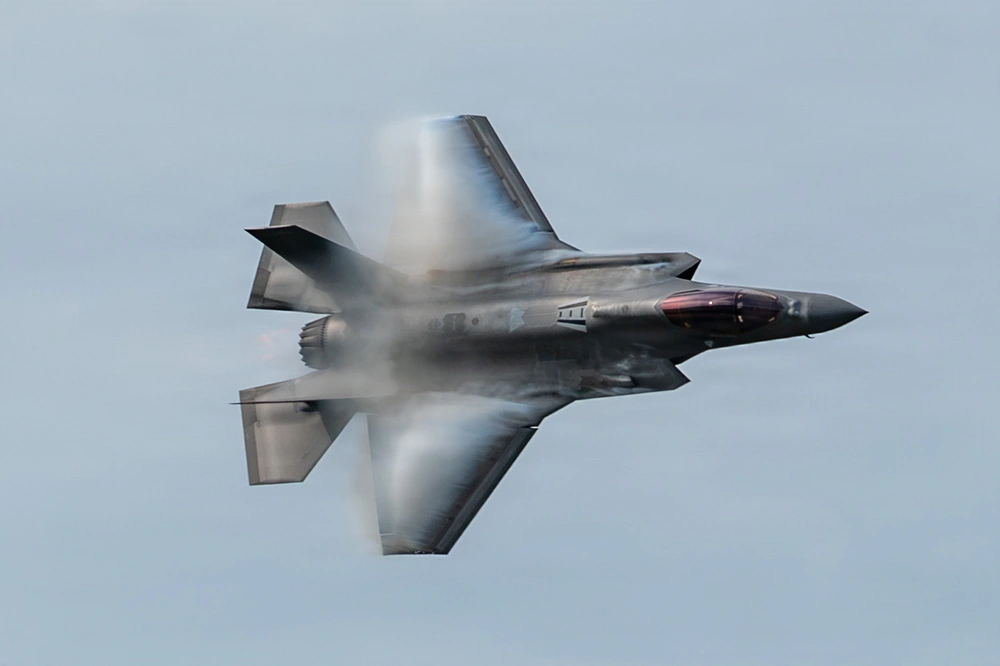
The shipment included an F-35 canopy, two of the people said. The cockpit cover contains stealth technology available only to the United States and its allies, raising concerns that an adversary could examine or reverse-engineer the component.
State Department and Pentagon officials first briefed congressional staff in June, according to the report. More briefings for staff on key national security committees are expected in the coming weeks.
The Pentagon’s F-35 Joint Program Office said it was “aware of a shipment issue of unserviceable F-35 Lightning II components.” It said the office was working with U.S. authorities and industry partners “to retrieve these components, investigate the incident, and place safeguards to avoid a future occurrence.”
The shipment’s arrival in Hong Kong placed the equipment within a Chinese special administrative region where Beijing has expanded its political and security control. China has also conducted espionage targeting classified U.S. defense programs, including the F-35.
“It’s no secret that China has been aggressively trying to get F-35 data through electronic espionage, among other means,” said J.J. Gertler, a former House Armed Services Committee staff member and Congressional Research Service military aviation analyst. “But even if they already had specifications or other data about the part, possessing a real one can give them even more to go on and can verify or refine whatever they already had learned.”
The canopy consists of an acrylic cockpit cover with a thin coating of transparent radar-absorbent material. The coating contributes to the aircraft’s low-observable performance but can degrade, requiring repair or replacement.
The F-35 supply chain links manufacturing, maintenance and logistics facilities across several countries. Australia operates maintenance depots for the fighter, but none currently has the capability to repair canopies.
Lockheed Martin manages the program’s global supply chain and uses commercial carriers to transport parts. The company declined to discuss the shipment’s status, citing security concerns, but said it complies with U.S. rules for shipping aircraft components.
“Our teams handle every shipment with the utmost diligence and safeguards to ensure the integrity of the F-35 program and the security of our allied partners,” Lockheed Martin said. The State Department declined to comment, while the Chinese Embassy said it was unfamiliar with the incident.
The F-35 program uses a common pool of spare parts shared among participating countries. The Defense Department owns the parts until they are installed on an aircraft, while Lockheed Martin maintains the associated records.
A 2023 Government Accountability Office report found that more than 1 million F-35 spare parts had gone missing over five years. It said the Pentagon was unable to review losses valued at tens of millions of dollars because Lockheed Martin controlled the information.
“The F-35 Joint Program Office does not track or enter these spare parts into an accountable property system of record that would enable it to capture and store real-time changes to property records,” the GAO said. “The prime contractors maintain this information.”
The latest incident adds to questions about accountability across the F-35’s international supply chain. The Pentagon expects to spend almost $2 trillion on the aircraft program over its lifetime.
Source: Politico.