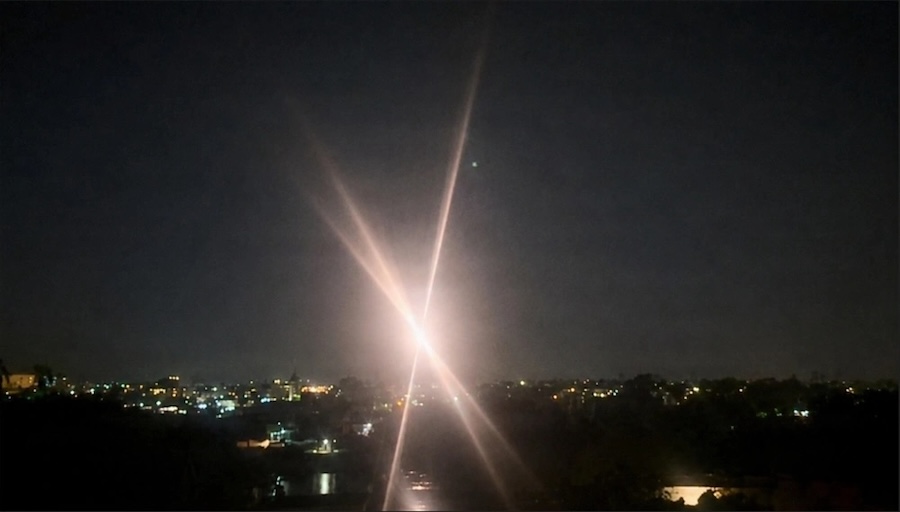
The task force classified the unmanned aircraft as adversarial because they were directly supporting activities that posed a physical threat to military personnel and CBP partners. The command linked the wider drone threat to cartel surveillance and human-smuggling operations in the border region.
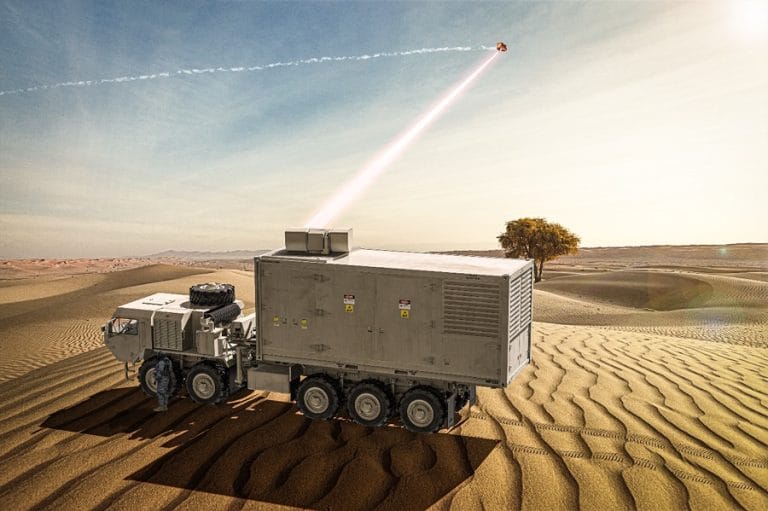
“Cartel networks are increasingly employing unmanned aircraft systems to facilitate illicit human-smuggling and actively spy on our personnel and law enforcement partners,” said Maj. Gen. Curtis Taylor, commander of JTF-SB. “By integrating layered countermeasures alongside advanced directed-energy capabilities like this laser system, we have made it clear that we will not tolerate hostile surveillance.”
About 8,000 service members are deployed under the task force across 1,954 miles of difficult terrain. JTF-SB has operated under U.S. Northern Command in support of CBP since assuming the mission in March 2025.
Task force personnel have reinforced hundreds of miles of the border with wire obstacles and conducted tens of thousands of detection and monitoring patrols. They have also carried out thousands of observation flights and cleared vegetation in remote areas.
Some patrols have been conducted with the Mexican military, reflecting cross-border cooperation against cartel activity. Taylor also credited Mexican Army partners for supporting efforts to address the drone threat.
U.S. Northern Command said the broader operation has improved CBP’s situational awareness, reduced response times and supported efforts to disrupt cartel-led illegal activity. “We stand shoulder-to-shoulder with our CBP partners to secure this border, protect our service members, and disrupt these criminal organizations at every turn,” Taylor said.
Source: U.S. Northern Command (press release).