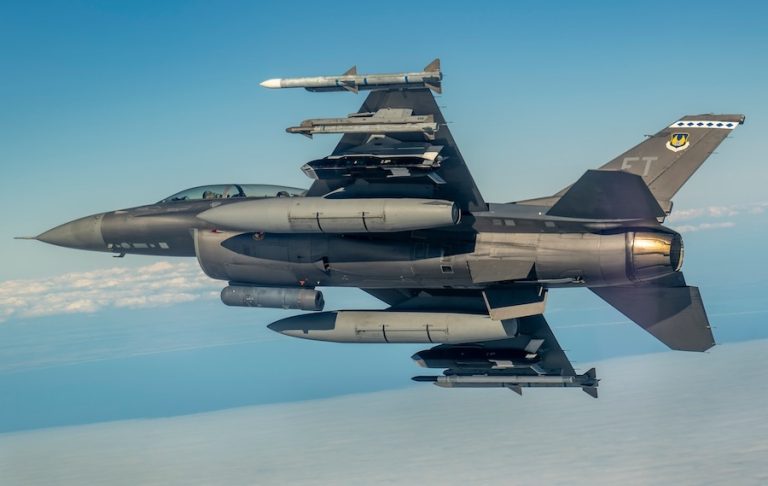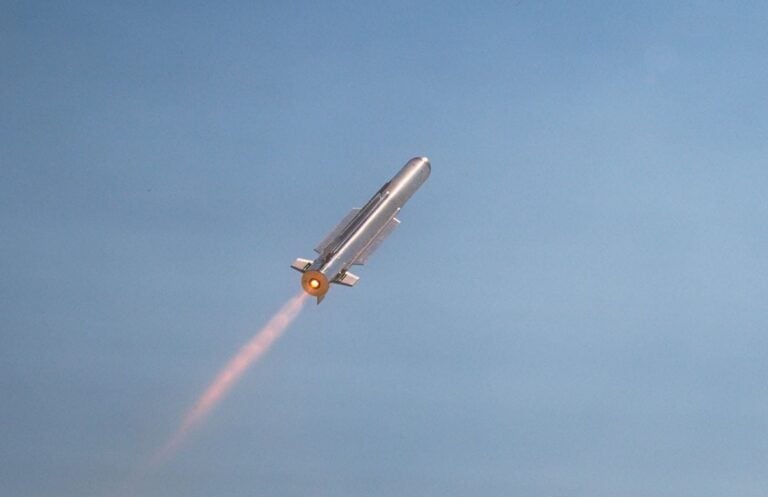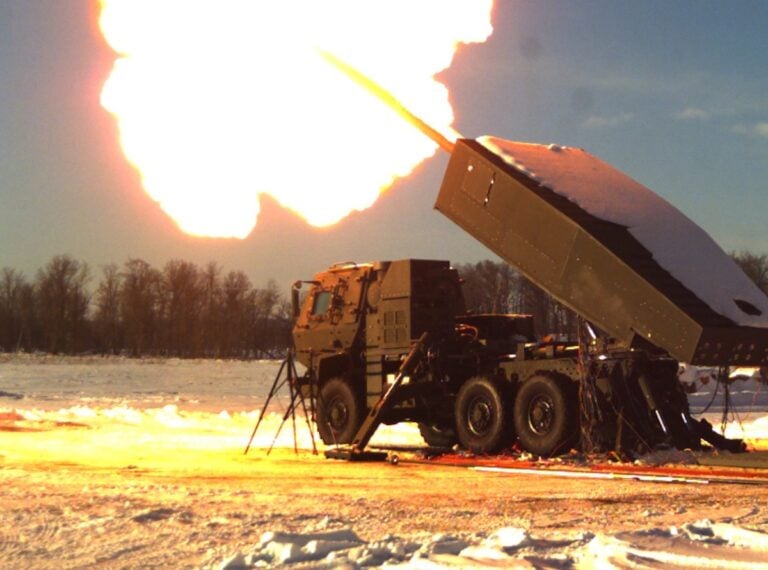
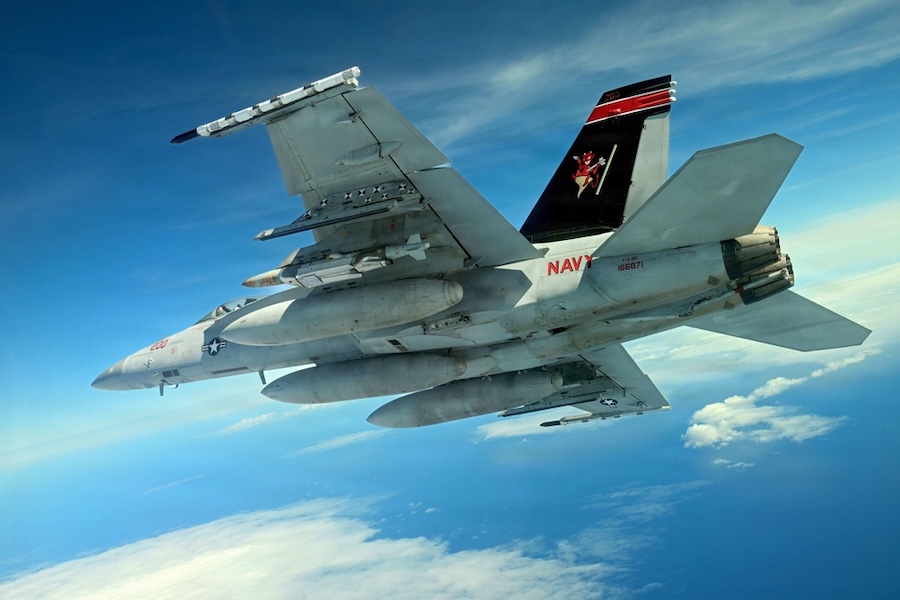
The demonstrations validated key aspects of the system, including safe weapon separation and compatibility with existing aircraft interfaces. They also confirmed controlled, powered flight and navigation performance over extended distances.
Each test flight covered approximately 200 nautical miles while maintaining consistent guidance to the intended target. Officials said the results highlight the system’s potential as a cost-effective standoff strike option.
Sarah Abbott, Precision Strike Weapons (PMA-201) program manager, said: “As Naval Air Forces in theater continue to rely heavily on JDAM systems, the program recognizes a critical need to provide the fleet with greater standoff range.” She added: “This new capability allows pilots to engage targets from significantly safer distances, maintaining a tactical advantage in contested environments.”
The JDAM LR capability is designed to expand the operational reach of existing precision-guided munitions. It provides a means for aircraft to strike targets from outside high-threat areas while maintaining accuracy.
Following the successful demonstrations, the program will move into the next phase of qualification. This phase will focus on integrating the system with shipboard operations.
The Navy said the effort remains a high-priority program aimed at meeting evolving operational requirements. Officials emphasized its role in supporting modern naval warfare by enhancing strike flexibility and survivability.