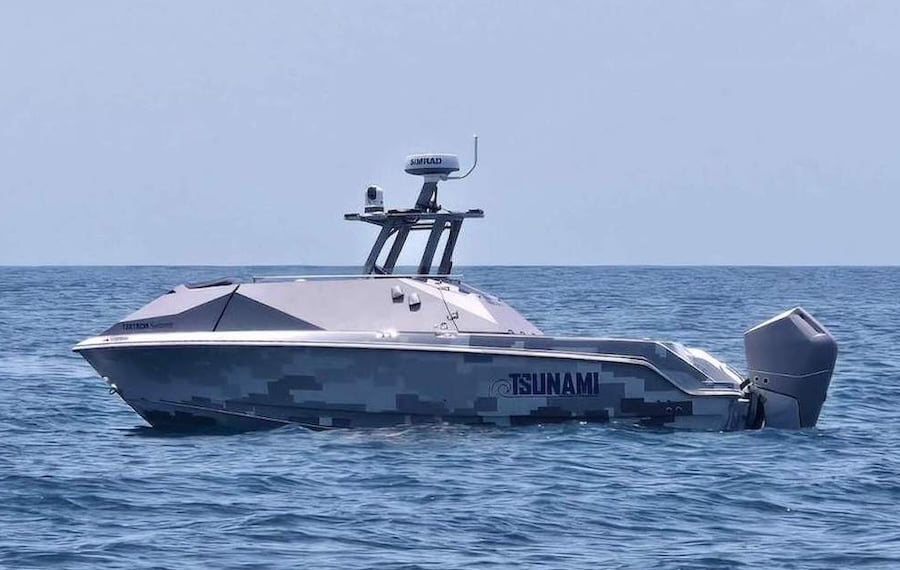
The center’s creation gives the Navy a single point for developing how unmanned systems are tested, used and taught across its warfare communities. Its remit covers operational employment, including the tactics and training needed to certify the platforms and deploy them.
“To maintain our decisive maritime advantage, we must rapidly integrate robotic and autonomous systems into how we operate, train, and deploy,” the chief of naval operations said. “The establishment of RASWDC ensures our Sailors are equipped with the tactical edge, advanced training, and specialized doctrine required to win the high-end fight.”
The new command will work alongside a separate portfolio manager responsible for acquisition, budgets, technical standards and fielding of robotic and autonomous systems. RASWDC will instead concentrate on operational use and pass lessons from tests, experiments and training back to developers and programme managers.
“RASWDC is the critical bridge between capability development and operational employment,” the chief of naval operations said. “By forging a direct feedback loop, we are accelerating the delivery of unmanned capabilities from the foundry directly to the Fleet, ensuring our forces are postured to meet any challenge.”
Rear Admiral Melvin Smith has been appointed the center’s first commander and is overseeing a phased plan for its structure, relationships and resources. The Navy has not given a date for the command to reach full operational capability.
“This is just day one,” Smith said. “Our purpose here is to consolidate the Navy’s autonomous efforts across air, surface, and undersea domains, and give them a single home here at Little Creek.”
The center will conduct operational testing in representative environments and develop doctrine, tactics and advanced instruction for sailors. It will coordinate with existing Navy commands and warfighting development centers, which will retain their current responsibilities.