
The previously planned Type 83 destroyer programme, once presented as the natural successor to the Type 45, has been formally abandoned. It will be replaced by six Common Combat Vessels intended to act as command nodes for uncrewed systems.
The shift is linked to the Hybrid Navy concept promoted by General Sir Gwyn Jenkins, the current First Sea Lord. According to the input, Jenkins is the first holder of the office since 1689 not to come from the Royal Navy, but from the Royal Marines.
Jenkins is described as both the main architect and strongest advocate of the fleet’s hybridisation. At this year’s Combined Naval Event in Farnborough, he challenged the concept of building ever larger and more expensive warships.
His programme formula is “crewed where necessary, uncrewed wherever possible, always integrated”. He also said the Royal Navy has no choice but to move towards an increasingly uncrewed and autonomous hybrid fleet if it is to achieve the capabilities needed for warfare in the North Atlantic and the High North.
Under the Defence Investment Plan, the target surface fleet structure by the late 2030s is to include eight City-class Type 26 frigates. It is also expected to include five Inspiration-class Type 31 frigates and six Common Combat Vessels.
These crewed ships are to be supplemented by new classes of large uncrewed surface vessels carrying weapons, sensors and anti-submarine warfare systems. The plan therefore moves the Royal Navy away from a surface fleet centred mainly on large individual combatants.
The disclosed Ministry of Defence material identifies four separate uncrewed types. Type 91 is described as an uncrewed missile platform of about 70 to 75 metres in length, while Type 92 is an autonomous anti-submarine warfare platform of about 90 metres.
Type 93 is planned as an extra-large uncrewed underwater vehicle supporting crewed submarines in anti-ship operations. Type 94 is described as an uncrewed sensor platform optimised for fleet and homeland air defence, measuring about 100 metres and displacing up to 3,000 tonnes.
The modernisation programme for ships already in service includes continued construction of Type 31 frigates. The plan reserves £1.6 billion for this work and confirms funding for Mk 41 vertical launch systems and eight launch canisters for Kongsberg Naval Strike Missiles.
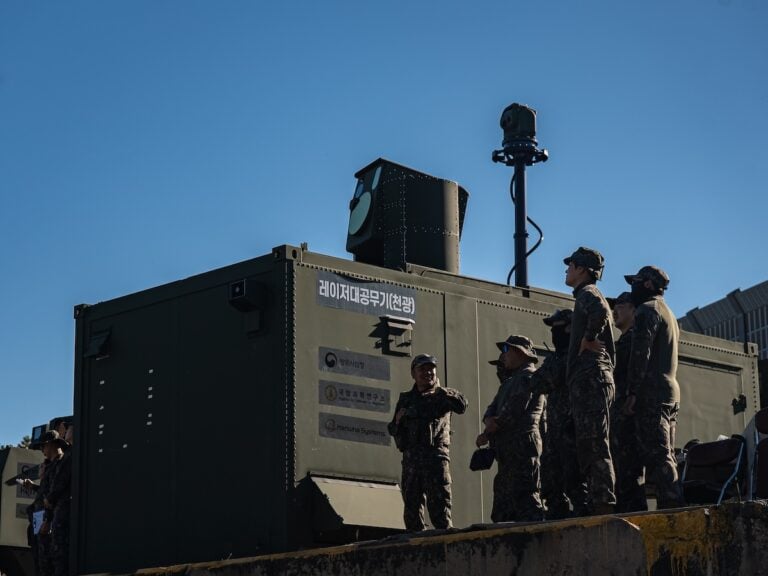
The investment plan also points to the possibility of equipping Type 26 frigates with Naval Strike Missiles. Type 45 destroyers that remain in service until 2035 are to receive Sea Viper missile system modernisation and are ultimately expected to be fitted with DragonFire laser weapons.
A major part of the plan concerns base infrastructure modernisation. Under Project Royal Oak, £26 billion is to be invested over a decade in Portsmouth, Faslane and Devonport, described as the largest investment in maritime infrastructure in 45 years.
Protection of domestic and overseas bases against air threats, including drones and missiles, is to receive an additional £790 million. The plan includes new radars and the creation of an integrated air, space and missile defence operations centre.
More than £63 billion over four years is allocated to strengthening the United Kingdom’s nuclear deterrent. This includes the construction of Dreadnought-class submarines.
By contrast, the amphibious programme has been significantly reduced. The Multi-Role Strike Ship concept, which envisaged up to six large ships displacing 25,000 to 40,000 tonnes, has been abandoned as too costly.
The new approach favours smaller and cheaper amphibious transport ships developed in cooperation with the Netherlands. The input says these vessels are expected to be similar to the Dutch Amphibious Transport Ship programme.
The Defence Investment Plan has prompted serious reservations among analysts. Many argue that it relies too heavily on uncrewed technologies whose operational maturity remains unconfirmed.
Critics also point to the pace required to arm and introduce new ship classes. They argue that this pace would significantly exceed the previous capacity of British industry and the public procurement system.
The most urgent concern is described as a gap in anti-submarine warfare capability caused by the rapid withdrawal of Duke-class Type 23 frigates. The plan nevertheless assumes that some ships of this class will remain in service until 2033.
The financial structure of the plan has also drawn criticism. According to the input, £4.7 billion of the announced funding remains unsecured and will need to be included in the next state budget.
The publication of the plan was delayed from last autumn. The input says it was preceded by tensions between the Ministry of Defence and the Treasury, which led to the resignations of Defence Secretary John Healey and Armed Forces Minister Al Carns.