
The commitment forms part of the government’s 2026 Defence Investment Plan, which lists £5.4 billion of Typhoon-related spending between the 2026/27 and 2029/30 financial years. The additional funding will support upgrades and sustainment, including work under the Long Term Evolution programme.
Typhoon remains central to Britain’s immediate combat-air requirements despite growing investment in the F-35 and the Global Combat Air Programme. The Ministry of Defence identifies Typhoon and F-35 fighters as the core of the UK’s Integrated Air and Missile Defence capability, protecting British and NATO airspace against aircraft and cruise-missile attacks.
The fleet’s role has gained prominence after operations in the Middle East demonstrated the cost and complexity of defending against repeated drone attacks. British Typhoons have helped protect UK sovereign bases in Cyprus, the Republic of Cyprus and Gulf partners from drones launched by Iran and its proxies.
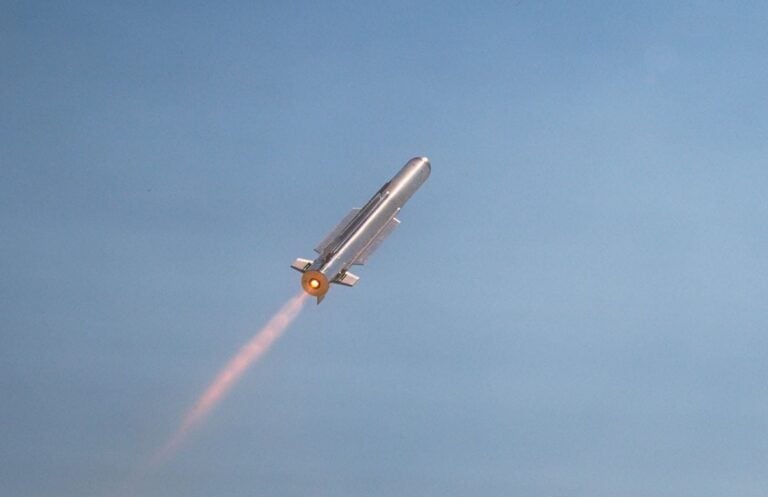
The aircraft were rapidly equipped with the Advanced Precision Kill Weapon System, allowing them to engage drones at a fraction of the cost of the missiles previously used for such missions. That modification reflects the government’s broader effort to develop a more affordable mix of weapons for sustained air-defence operations.
The investment also carries a significant industrial and export dimension at a time when Britain is seeking to make defence spending a driver of economic growth. The plan highlights an £8 billion agreement reached with Türkiye in 2025 to help Ankara establish its own Typhoon force, extending the aircraft’s presence across NATO’s western and eastern flanks.
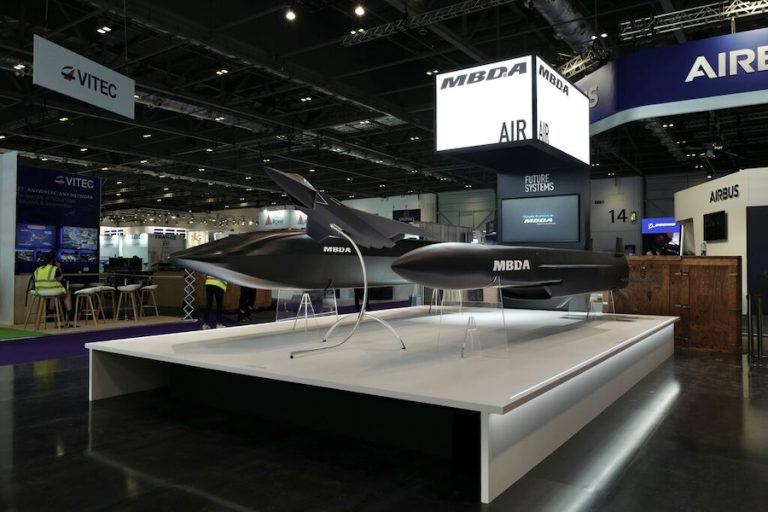
Typhoon’s combat capability will be reinforced by investment in new long-range weapons. Britain plans to spend £1.4 billion on the STRATUS missile programme, developed with France and Italy to arm Typhoons and Royal Navy frigates and provide much of the UK’s future long-range strike capacity.
The aircraft will eventually operate within what the government calls a “Next Generation Royal Air Force”, combining fourth-, fifth- and sixth-generation crewed and uncrewed systems. Alongside Typhoon, Britain is allocating £2.2 billion to the F-35 programme, £300 million to Collaborative Combat Aircraft and £8.6 billion to GCAP over the four years through 2029/30.
The resulting force is intended to preserve proven combat capability while introducing autonomous aircraft that can expand sensor coverage, carry additional missiles and operate ahead of crewed fighters. Through the 2030s, those systems are also expected to play an increasing role in Britain’s Integrated Air and Missile Defence network.
Overall, the Defence Investment Plan assigns £27.8 billion to air-domain capabilities through 2029/30 and envisages at least £70 billion of further investment between 2030 and 2035. The ministry cautioned that the figures represent current priorities rather than binding commitments and that programmes may still be delayed, rescoped, reprioritised or cancelled.