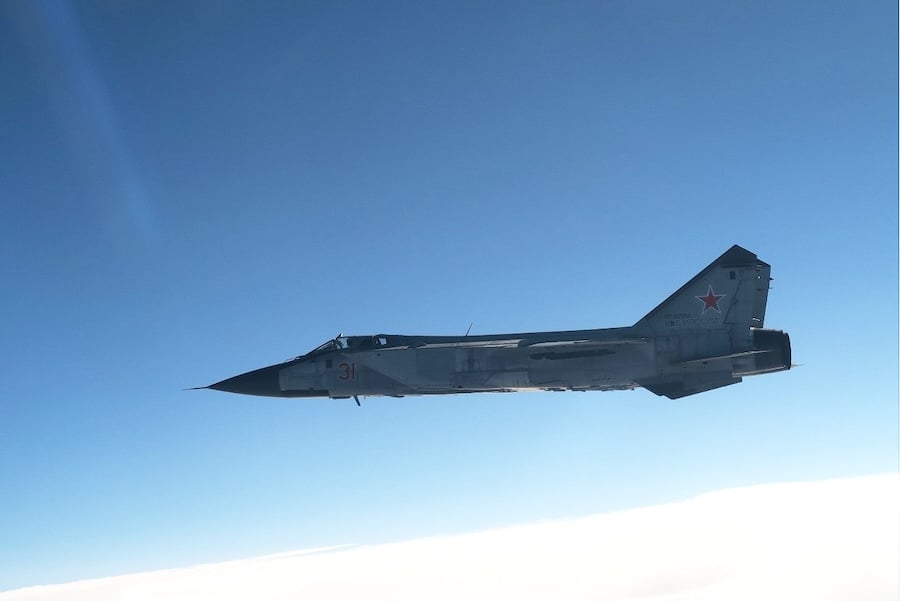
The Russian formation comprised a Tu-134 transport aircraft, MiG-31 fighters and Su-30 fighters. NATO reporting names for the three aircraft types are Crusty, Foxhound and Flanker-H, respectively.
“The Finnish and Swedish air forces are responsible for the surveillance and protection of territorial integrity of their nations’ airspace,” said Colonel Vesa Mäntylä, Deputy Chief of Staff, Air Force Command Finland. “The deeper cooperation that began this autumn enables joint identification missions and allows QRA fighter jets to operate from the other country’s air bases.”
“This is what close cooperation looks like in practice,” said Major General Jonas Wikman, Commander of the Swedish Air Force. “Built over years on trust and strong personal relationships, we can now operate seamlessly together – as air forces, as nations and as Allies.”
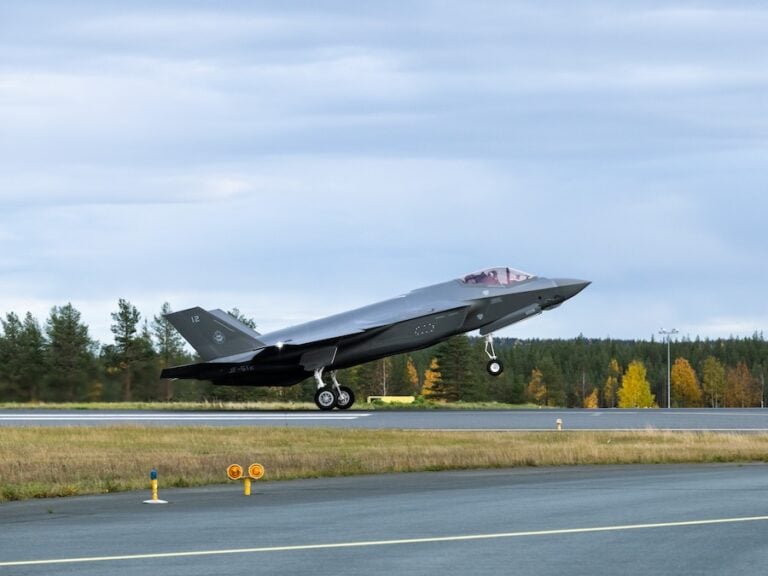
Finnish and Swedish Quick Reaction Alert (QRA) fighter jets were scrambled to intercept and identify Russian military aircraft in international airspace over the Gulf of Finland on 24 September 2026.
This was the first joint 🇫🇮🇸🇪 operational identification mission. #ilmavoimat pic.twitter.com/wj4Uj0stNh
— Ilmavoimat (@FinnishAirForce) September 25, 2026
Finnish and Swedish QRA aircraft remain based primarily at national airfields, with their locations and response times adjusted to operational requirements and the prevailing security situation. The new arrangements allow either country’s fighters to operate from bases in the other when required.
The two air forces have conducted Cross Border Training sorties almost every week for several years. Cooperation has since expanded through the Nordic Air Power framework, which brings Finland, Sweden, Norway and Denmark together to improve interoperability within NATO’s collective defence.
Finland and Sweden also coordinate regional activities with NATO Baltic Air Policing detachments. The closer integration is intended to strengthen security in the North and on NATO’s Eastern flank while improving readiness in peacetime, emergencies and other disruptions.