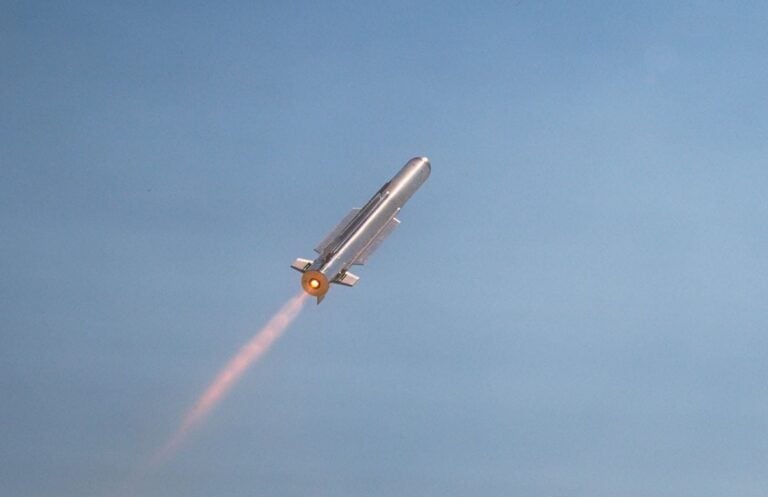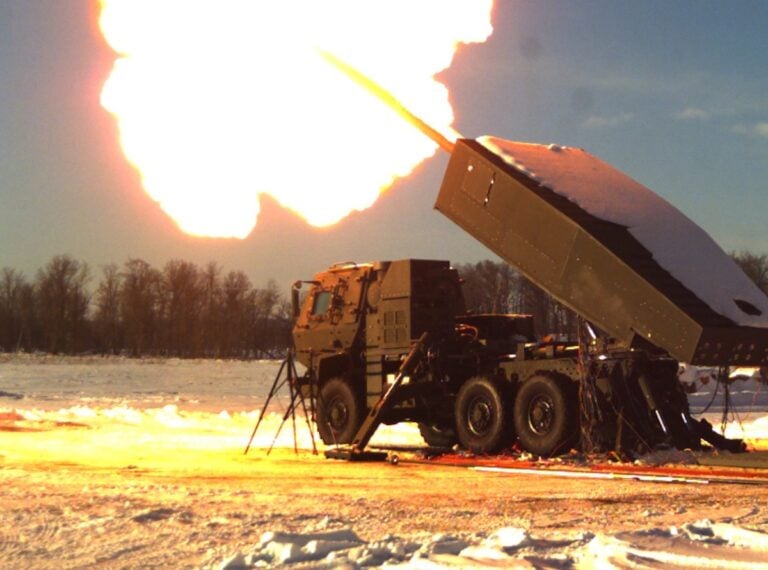

The German defence group is working with Destinus on the Ruta Block 2 and Kryla cruise missiles. Rheinmetall expects production preparations to be completed towards the end of 2026, with a dedicated factory scheduled to become operational in 2027.
Papperger outlined the plans during Rheinmetall’s second-quarter 2026 earnings call. He did not identify the potential first customer or confirm that Ukraine had placed an order.
“Thousands of that cruise missiles are fired in Ukraine, and we want to get the first contract end of this year also with these cruise missiles,” Papperger said. He presented the programme as part of Rheinmetall’s shift towards weapons that can enter production within months rather than years.
“We cannot go into development programs where we need five, six, seven years, and then maybe we have a product,” Papperger said. “We need the product in less than 12 months.”
The company moved ahead with Destinus after encountering availability problems with the Barracuda system. Papperger said Rheinmetall could not begin a German qualification programme because the required products were not ready.
That delay pushed Rheinmetall to pursue an alternative industrial route. “We stepped into other partnerships also, and this is the reason that we stepped into the also Destinus, because Destinus is ready,” he said.
Rheinmetall holds a majority stake in its joint venture with Destinus. The partners have divided responsibility for sales across an agreed group of countries.
The venture will establish production lines for the missiles. Rheinmetall will also manufacture warheads and provide other production work.
Destinus remains free to cooperate with other companies in markets outside Rheinmetall’s allocated territories. Papperger said demand was large enough to support several industrial partnerships.
Ukraine also remains part of Rheinmetall’s wider capacity expansion. Papperger said the “Ukrainian side” was the only element missing from a group of production projects that were otherwise progressing to plan.
He said the delay would not significantly affect Rheinmetall because capacity at other sites could cover current requirements. Management provided no revised schedule or further details about the affected Ukrainian project.
Rheinmetall is also using requirements observed in Ukraine to assess demand for unmanned ground systems. Papperger highlighted the MV-8 Komodo automated breaching vehicle as a product with substantial sales potential.