HMS Somerset, HMS Tyne, HMS Mersey and HMS Severn were deployed during the month, supported by Wildcat helicopters from 815 Naval Air Squadron and Merlin anti-submarine warfare aircraft. Their tasking covered the movements of Russian surface warships and submarines across the UK’s area of responsibility.
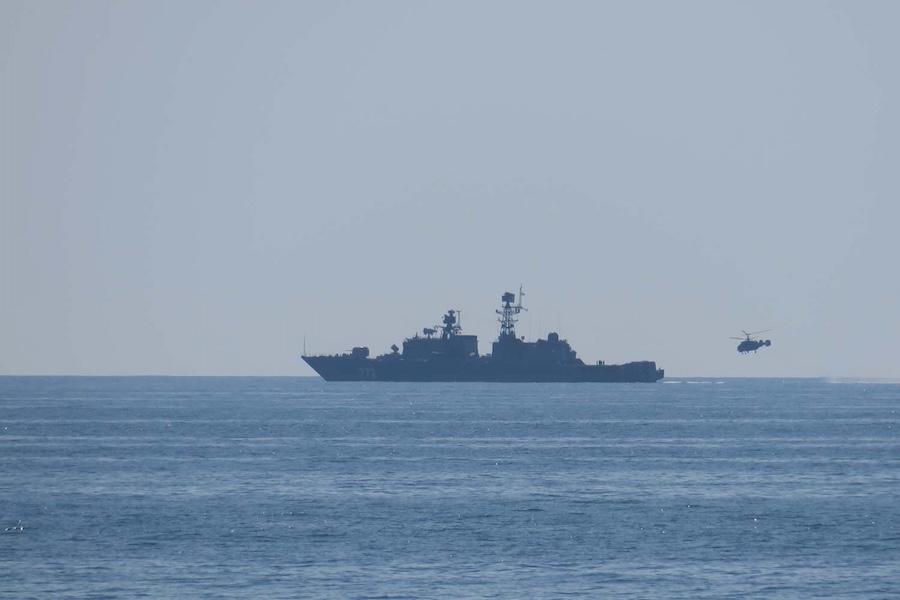
The Russian frigate Neustrashimy repeatedly transited the area while escorting shadow-fleet tankers through recognised shipping lanes, according to the Royal Navy. The activity required British ships to maintain surveillance while other fleet units continued separate operational commitments.
HMS Tyne was monitoring Neustrashimy on 20 July when the Russian frigate conducted gunnery firings outside British and French territorial waters. The patrol vessel moved to within five nautical miles and observed around 20 rounds from the frigate’s main 100mm weapon as well as fire from its 30mm battery.
“Through sustained presence and close cooperation with allies, HMS Tyne was ideally suited to this task, providing reassurance and monitoring while enabling other Fleet units to continue their operational commitments,” said Lieutenant Commander Sam Fields, Commanding Officer of HMS Tyne. The ship continued gathering intelligence throughout the Russian firing activity.
HMS Somerset, meanwhile, completed a four-month deployment focused on surface and sub-surface activity across the North Atlantic. The Type 23 frigate contributed to the UK’s standing operation to protect Britain’s nuclear deterrent and monitor potential submarine activity.
The frigate returned to Plymouth on 7 August after sailing more than 24,000 nautical miles, equipped with underwater sensors and a Merlin anti-submarine warfare helicopter from 814 Naval Air Squadron. “This deployment demonstrates exactly what the Royal Navy exists to do, protect the UK and our allies from wherever our interests are threatened,” said Commander Matt Millyard, HMS Somerset’s Commanding Officer.
“I am immensely proud of every single member of the ship’s company for what we have achieved over the past four months,” Millyard said. “Whether it’s tracking submarines, working alongside NATO allies and the Carrier Strike Group, or maintaining the ship at exceptionally high readiness for so long, their professionalism and spirit has been outstanding.”
HMS Severn was also activated twice during July, first shadowing the Russian frigate Admiral Grigorovich as it sailed eastwards from Ushant towards Dover. It later took over from HMS Mersey during a three-day operation to monitor Neustrashimy while the Russian ship escorted the shadow-fleet tanker Vulkan from the Baltic through the Dover Strait towards Ushant.
“I’m really proud of my ship’s company’s ability to adapt quickly to changes of tasking from Fleet Ready Escort to our training output as the Fleet Navigation Training Ship,” said Lieutenant Commander Dom Jacobs, Executive Officer in Temporary Command of HMS Severn. “This shows the versatility of my crew and the other OPVs to deliver a range of tasks demonstrating our continued relevance and operational value.”
The increased naval activity follows the UK’s interdiction of the sanctioned shadow-fleet tanker Smyrtos in the English Channel in June. Britain has sanctioned more than 500 vessels as part of its campaign against the shadow fleet, while the Royal Navy continues to monitor Russian naval movements around UK waters.