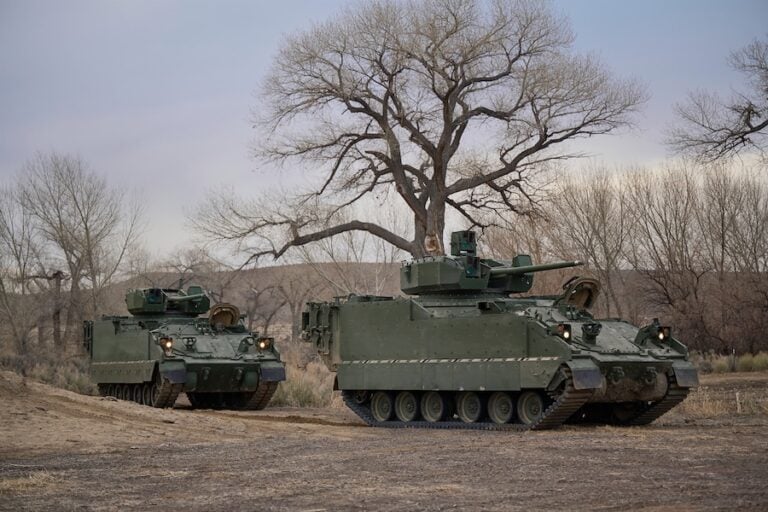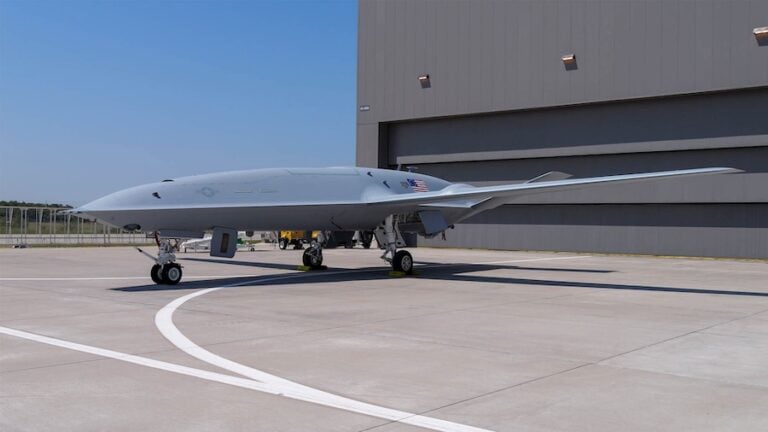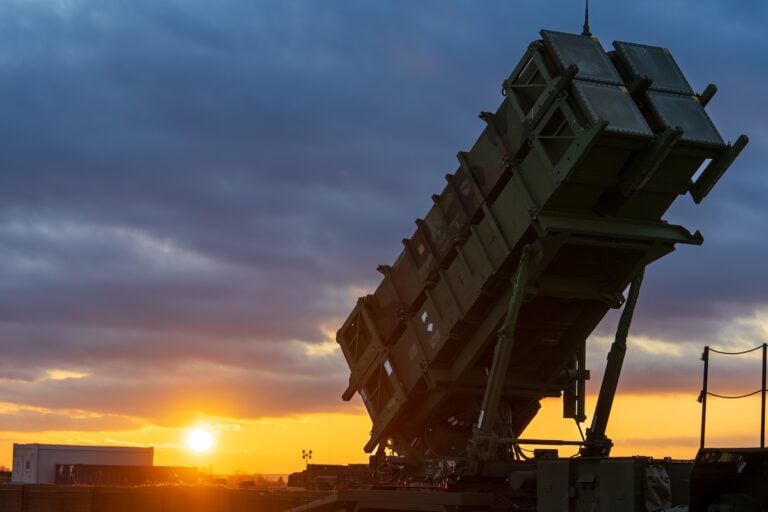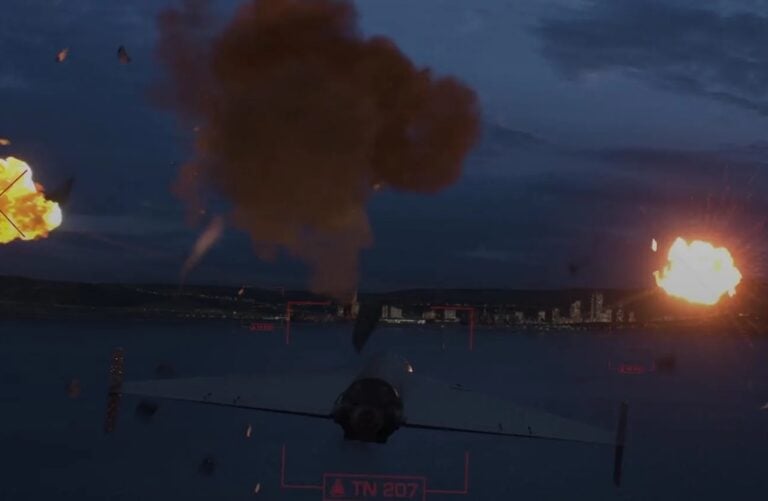
Held from September 11 to 17, the event brought soldiers and technology companies together under realistic field conditions. It combined artificial intelligence, sensors, electronic warfare, command and control, resilient data pathways and defensive fires.
“The Scarlet Dragon exercise has become a validation exercise in the dirt with Soldiers doing integrated, real-world operational-type tasks,” said Col. Tom Monahan, director of the XVIII Airborne Corps’ Joint Innovation Outpost. The format shifted the assessment away from laboratory testing and towards operational performance.
The corps tested technology against threats modeled on systems and tactics seen in current conflicts. Scenarios included large drone swarms intended to reproduce the scale and complexity soldiers may face in a future war.
The assessment focused on how separate systems performed together rather than selecting a single answer to the drone threat. Army leaders said effective protection required several layers of detection, identification and engagement.
“What we’ve found is that there’s no one sensor to rule them all,” said Col. Rob Kenny, the XVIII Airborne Corps chief of fires. “It takes an integrated, layered approach.”
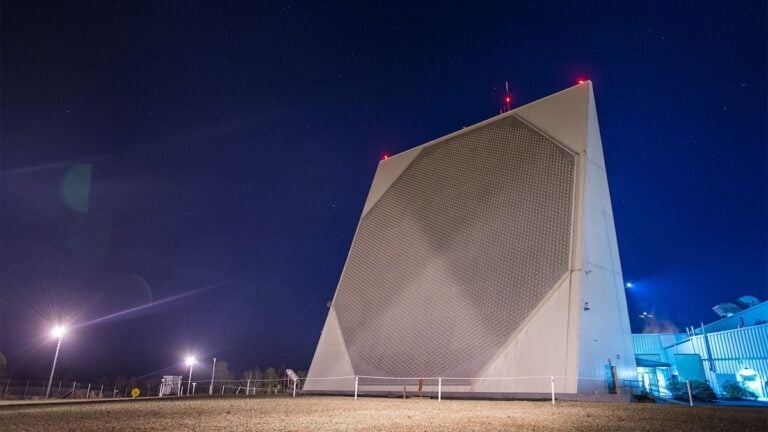
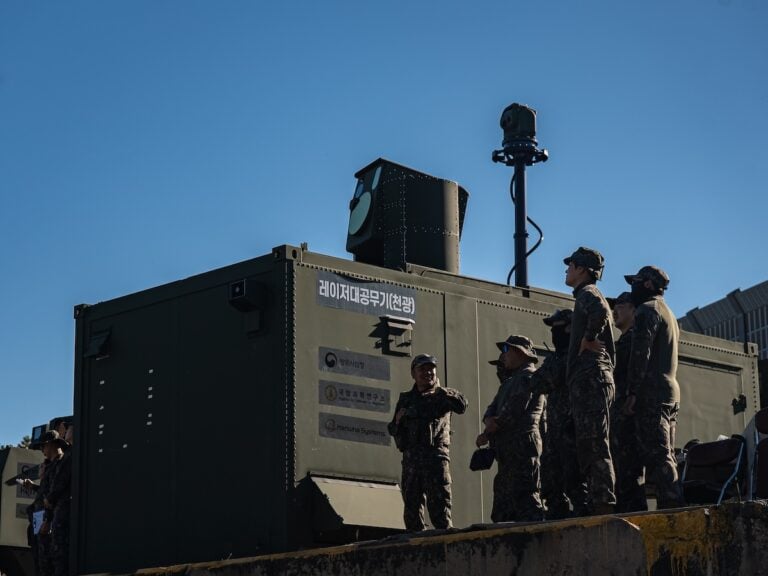
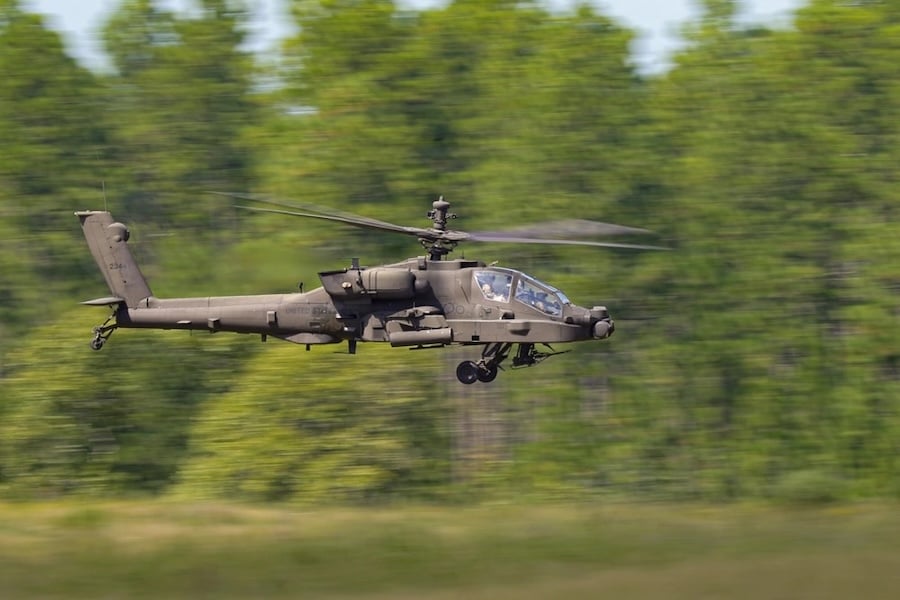
Acoustic sensors and portable radars provided passive and active detection options. Electronic warfare, autonomous systems and defensive fires offered different ways to disrupt or defeat incoming aircraft.
“Here at the company node, we’re working on: can we sense, can we make sense, and can we pass that information back to give time and space for our Soldiers to act?” Kenny said. The Army assessed whether those information flows were fast and reliable enough to support battlefield decisions.
Scarlet Dragon also gave technology suppliers direct access to soldiers using their systems in the field. That feedback allowed companies to identify limitations while helping the corps determine which products could operate across the wider force.
“The vendors out here are different contractors with different companies trying to show the limitations and capabilities of all their systems,” said Staff Sgt. Charles Johnson, noncommissioned officer in charge of the G34 company node. “They’re giving the full scope of what their systems can do and how it can help us in the best way possible.”
The findings will help the corps convert operational gaps into capability requirements. Col. Paul Staeheli, the corps operations officer, said the process was intended to identify equipment that could meet those requirements and support soldiers.
The work reflects a broader Army effort to shorten the route between commercial technology, field testing and operational adoption. It also seeks to connect autonomous systems with equipment already in service rather than treating new technology as a stand-alone solution.
The XVIII Airborne Corps plans to continue the assessments during Scarlet Dragon 27-1 in April 2027. The results will support preparations for the larger Summit Strike event at Fort Drum, New York, in September 2027.