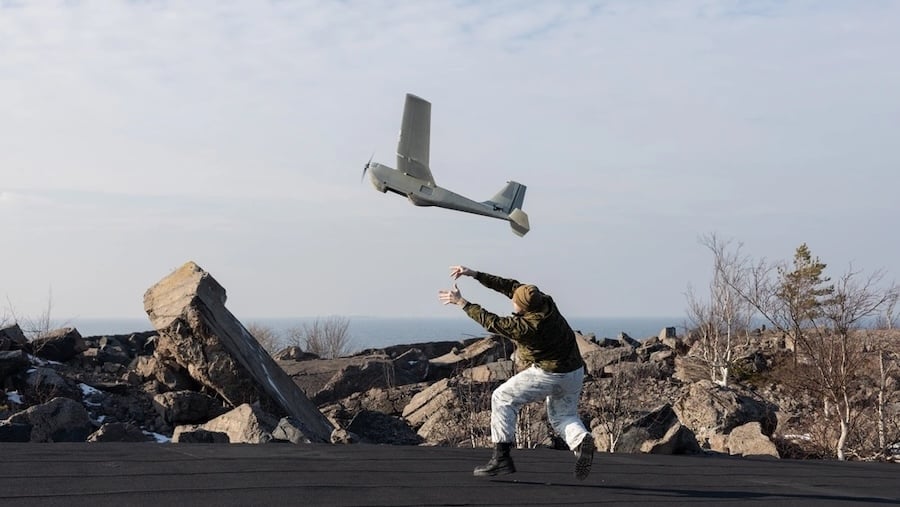
The rotation will provide expeditionary surveillance and tactical reconnaissance capabilities for the European-led security effort. Small unmanned aerial systems and littoral sensors will supply data directly to NATO’s shared common operational picture.
The personnel come from the 2nd Reconnaissance Battalion, 2nd Marine Division and II Marine Expeditionary Force Information Group, based at Camp Lejeune, North Carolina. Their reassignment directs capabilities already in Europe towards Baltic maritime security requirements.
“Our participation in Baltic Sentry demonstrates the dynamic agility of the Marine Corps to rapidly project specialized capabilities where they are most effective,” said Maj. Gen. Daniel Shipley, commander of U.S. Marine Corps Forces, Europe and Africa. “Working side-by-side with our Finnish allies strengthens our collective readiness, ensuring we can operate seamlessly as a cohesive, lethal team to deter hybrid threats in the Baltic littoral.”
Baltic Sentry is a NATO Enhanced Vigilance Activity led by European allies under Allied Joint Force Command Brunssum and Allied Maritime Command. The Marine Corps will serve in a supporting role, adding reconnaissance capabilities to the collective defence effort.
“The experience, skills and systems of the U.S. Marine Corps are perfectly suited for supplementing our situation picture and supporting our monitoring of the Baltic Sea,” said Captain Johan Tillander, chief of operations of the Finnish Navy. The deployment is intended to improve maritime awareness and support wider security in the region.
The Marine Corps described Baltic Sentry as a defensive vigilance activity intended to deter threats to regional stability. It said security along Europe’s maritime choke points supports the physical and economic security of the transatlantic community.