The command generates combat crews and operational units for military space commanders. The buildup is intended to protect the Joint Force from space-enabled attacks.
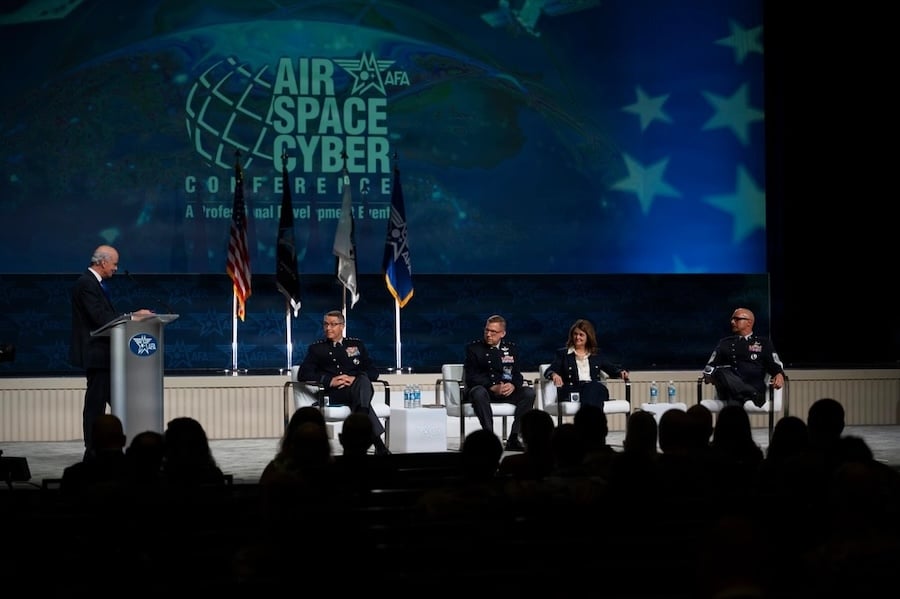
Senior leaders outlined the plan at the 2026 AFA Air, Space and Cyber Conference. They tied the expansion to a proposed $71.1 billion fiscal 2027 budget.
The funding would support additional squadrons and more resilient orbital systems. It would also finance offensive and defensive space-control capabilities.
“The establishment of the Space Force certainly recognized the reality that space is a war-fighting domain,” said retired Gen. Kevin Chilton of the Mitchell Institute. “As such, we can no longer solely focus on simply delivering supporting effects, but must be prepared to fight through attacks and deliver direct effects.”
The expansion will cover active-duty personnel and civilian specialists. Combat Forces Command needs both groups to sustain round-the-clock operations.
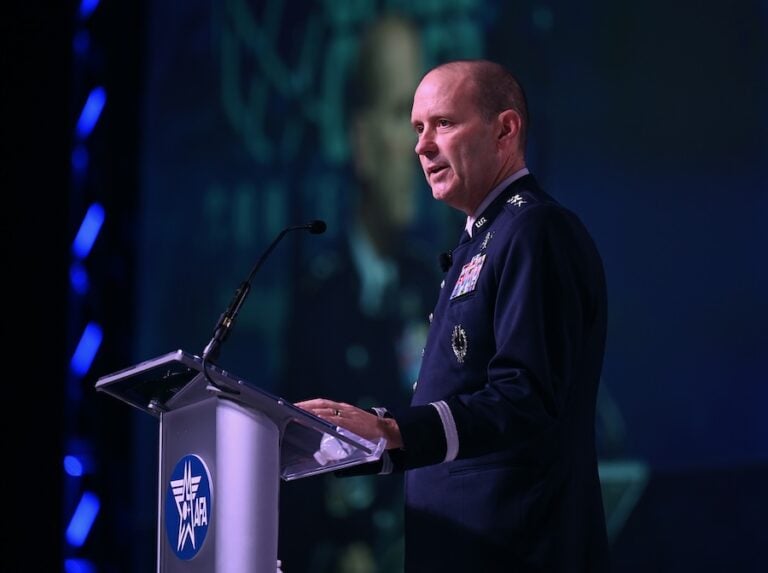
“In the five-year plan we have for the U.S. Space Force, two-thirds of the growth is into Combat Forces Command, so we can generate more combat crews and more force elements for the commanders of space forces, and that includes some of the capabilities that you’re all so very familiar with, but it also includes new capability,” said Lt. Gen. Gregory Gagnon, commander of Combat Forces Command. The new personnel will support existing systems and future capabilities.
“Space superiority is a joint priority, and you are being asked to lead and deliver it,” Gagnon said. “That starts with space control, combat power, and the training and rehearsal needed to make it credible.”
The service also plans to disperse facilities and command nodes. That approach is designed to improve survivability during cyber or kinetic attacks.
“Installations, infrastructure, sustainment, and logistics are a key enabler for warfighting capability for the Space Force,” said Kathryn Kolbe, Assistant Deputy Chief of Space Operations for Installations and Logistics. “That is our focus, and we will continue to work to improve those resources to provide enhanced warfighting capability.”
Physical and virtual test ranges will support mission rehearsals and tactical validation. The Space Force wants crews prepared for high-end conflict with advanced adversaries.
“Building a warfighting service starts with training Guardians from the very beginning to operate as crews, work as teams, understand the threat, and get the reps and sets needed to succeed in a high-end fight,” said Chief Master Sergeant of the Space Force John Bentivegna. Training will also support closer operations with combatant commands, allies and partners.
Space Training and Readiness Command is expanding technical recruitment and operational instruction. It is also linking family support to the readiness of frontline units.
“We all need to remember the goal isn’t to grow,” said Maj. Gen. James E. Smith, commander of Space Training and Readiness Command. “The goal is to create a force that can deter and win.”