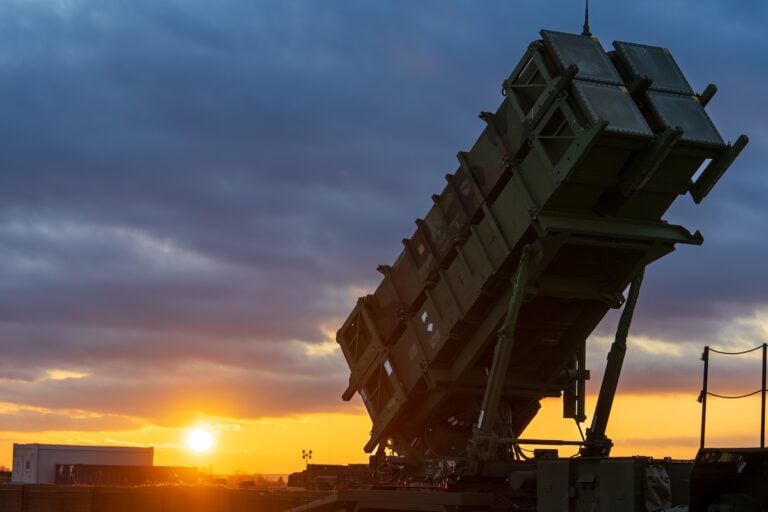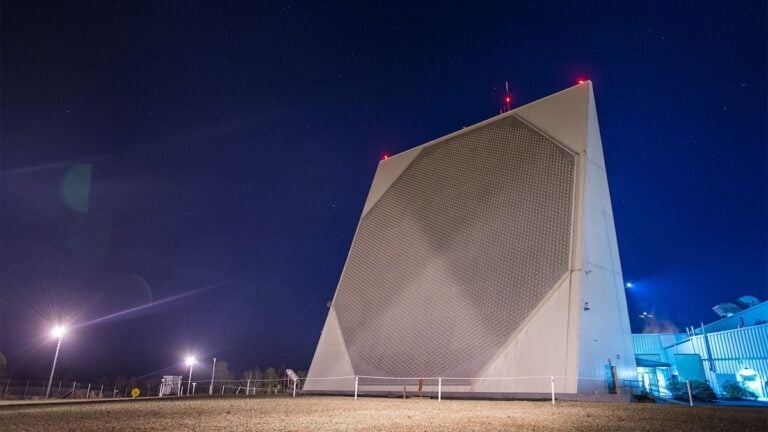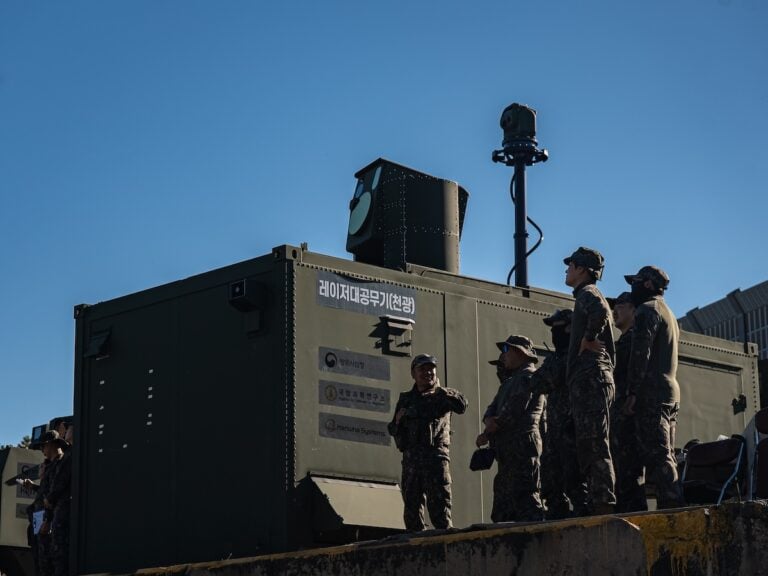

The pressure follows the extensive use of long-range strike missiles and air defense interceptors during the U.S.-Israeli war against Iran and subsequent Iranian retaliation. The weapons involved included PrSM, ATACMS, Tomahawk and JASSM missiles, along with PAC-3 MSE and THAAD interceptors.
U.S. forces are estimated to have used more than half of their Patriot missile stocks, although it is unclear which interceptor variants are included in that figure. They also reportedly expended about one-third of available Tomahawk missiles and slightly less than half of the THAAD interceptor inventory.
Those expenditures have reduced U.S. stockpiles and placed additional pressure on Washington’s ability to prepare for a full-scale conflict. The scale of the shortfall also means that replenishing American inventories will compete with deliveries to foreign customers.
The U.S. defense industry cannot replace the expended missiles and interceptors within a short period. Lockheed Martin is working to increase annual PAC-3 MSE production from about 600 missiles to roughly 2,000, but the higher output is not expected to be reached for several years.
The resulting delays could complicate European efforts to acquire and replenish U.S.-made missile systems and interceptors. Patriot is widely used across Europe and forms the core of Poland’s ground-based air defense system.
One possible response would be for Washington to license selected European companies to manufacture certain U.S. missile systems and interceptors. Such arrangements could expand production capacity outside the United States, although no details were provided about the companies or weapons that might be covered.
The supply constraints also pose a serious challenge for Ukraine because PAC-3 MSE interceptors are effectively the only missiles in its arsenal with high effectiveness against ballistic threats. Bloomberg reported the warning to allies, including the possibility that delivery schedules for some missile systems and interceptors could slip by up to five years.
Source: Bloomberg.