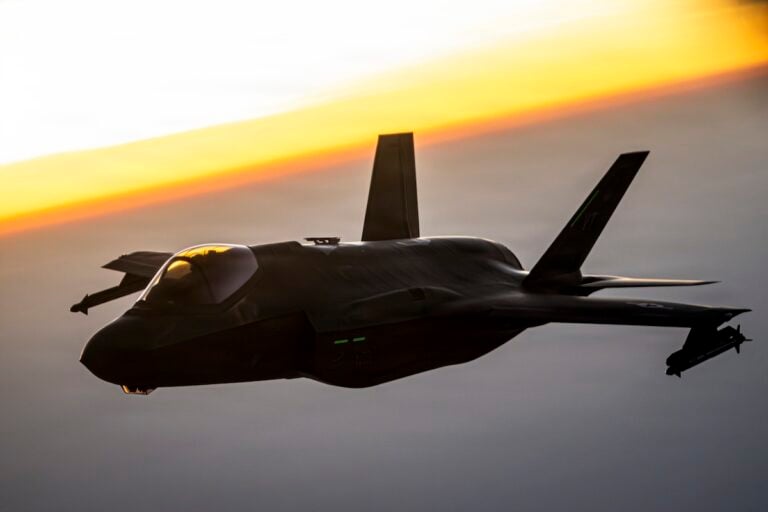
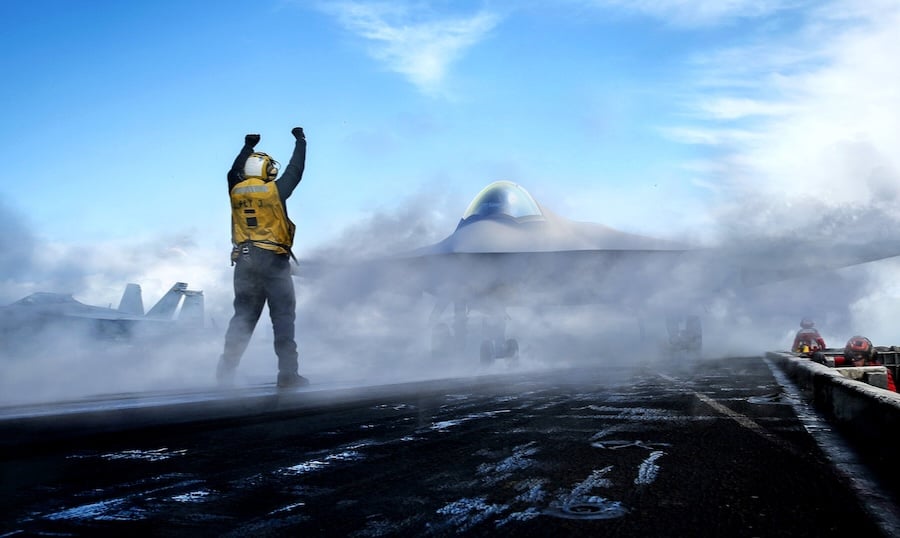
Speaking on Boeing’s third-quarter earnings call, Ortberg described the F/A-XX selection as a decision that would shape the company for decades. He said the two awards made Boeing the exclusive sixth-generation fighter company for the Air Force and Navy.
“Last month, we achieved a transformational win that will shape the company for decades to come when the U.S. Navy selected Boeing as the winner of the F/A-XX competition,” Ortberg said. He called the selection a responsibility Boeing took seriously in supporting U.S. national security priorities.
Chief Financial Officer Jay Malave said the Navy had selected Boeing to design, build and deliver F/A-XX. However, the order was excluded from the company’s third-quarter backlog pending completion of the source selection and evaluation process.
Neither executive disclosed the Navy program’s contract value, aircraft quantity or delivery schedule. Ortberg also declined to specify its contract structure when asked whether F/A-XX or F-47 involved fixed-price development.
“The F-47 is cost-plus, and the F/A-XX I can’t say, but I’ll just say it’s an appropriate contract type,” Ortberg said. His answer confirmed the F-47 arrangement but left the Navy program’s terms undisclosed.
Ortberg linked his improved assessment of Boeing’s defense business to both higher demand and the terms under which the company is accepting new work. He said Boeing had expected low single-digit defense revenue growth a year earlier, compared with growth “more towards the middle single digit or higher going forward.”
“The important part is all these programs are also being underwritten with the right contract type,” he said. “Not only are we booking more orders, we’re booking more orders that won’t result in some of the challenges we’ve had.”
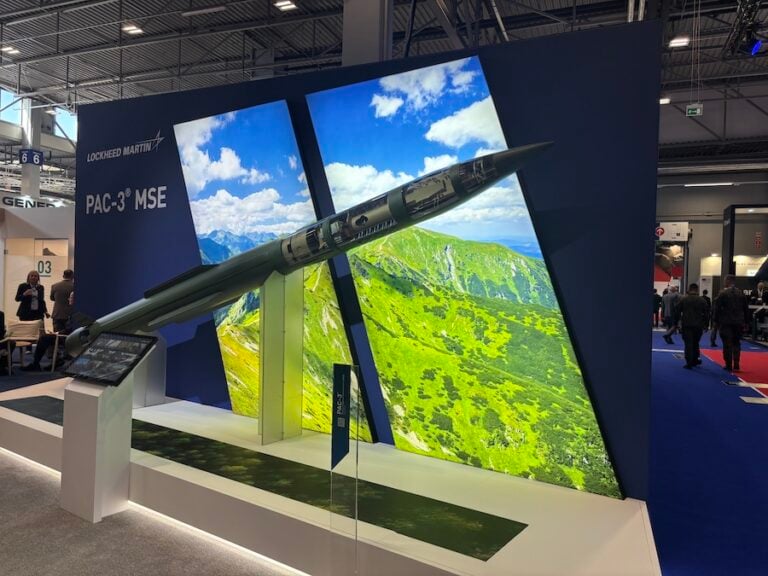
The fighter programs form part of a broader improvement in Boeing’s defense outlook, with Ortberg also citing additional F-15EX orders, PAC-3 seeker production growth and progress on MQ-25 and T-7. He said demand across the portfolio and available budgets supported further growth, although he gave no specific annual revenue forecast.
Boeing’s forecast for approximately $3 billion in free cash flow in 2027 includes additional capital expenditure for F/A-XX development, Ortberg said. Malave put company-wide capital spending at approximately $5 billion that year, without disclosing a separate allocation for the Navy fighter.
Boeing Defense, Space & Security booked $23 billion in orders during the quarter and reported a record $101 billion backlog, excluding F/A-XX. Malave said the division remained on course to reach high single-digit operating margins by the end of the decade.
Ortberg said the two fighter selections and changes in how Boeing structures its defense business had reduced uncertainty in the company’s outlook. He also acknowledged that development risks remained, saying: “We’re not done with the development programs till we’re done.”