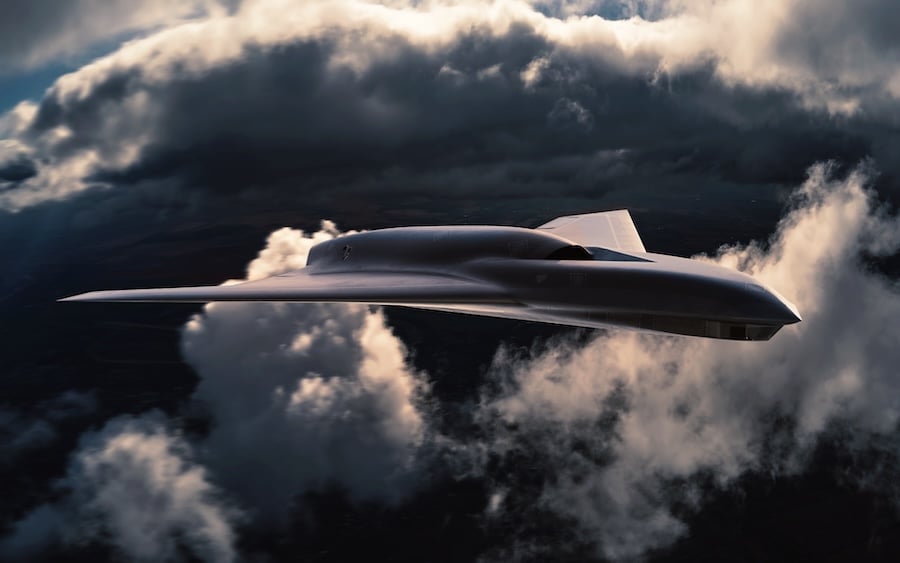
Vectis is being designed as a survivable, multi-mission aircraft for contested operating environments. Lockheed Martin said the platform would provide greater lethality, adaptability and operational flexibility as demand for autonomous airpower grows.
The aircraft will use a flexible architecture that allows its capabilities to change with operational requirements. It is also designed to integrate with crewed aircraft such as the F-35, extending mission reach and providing commanders with additional tactical options.
We said Lockheed Martin Vectis™ was kind of a big deal. We meant it. 🦨
The Vectis™ full-scale model just made its #AFANational debut and let’s just say, photos don’t quite do it justice. pic.twitter.com/Q30JspYLqg
— Lockheed Martin (@LockheedMartin) September 14, 2026
Skunk Works moved from the first design drawing to a wind-tunnel fly-off in less than two months. The team completed the initial digital build within six months and released the first component for production after eight months.

Lockheed Martin attributed the development pace to advanced design and manufacturing processes funded through internal investment in its advanced development programmes. Those methods are intended to shorten the path from initial design to prototype production.
The company also presented a full-scale Vectis model for the first time at the Air, Space & Cyber Conference. The display offered the clearest public indication to date of the aircraft’s size and physical configuration.
The four additional aircraft expand the scale of the Vectis programme while development of the first prototype continues. Lockheed Martin is positioning the platform to operate alongside existing crewed fighters and adapt to future mission requirements.