
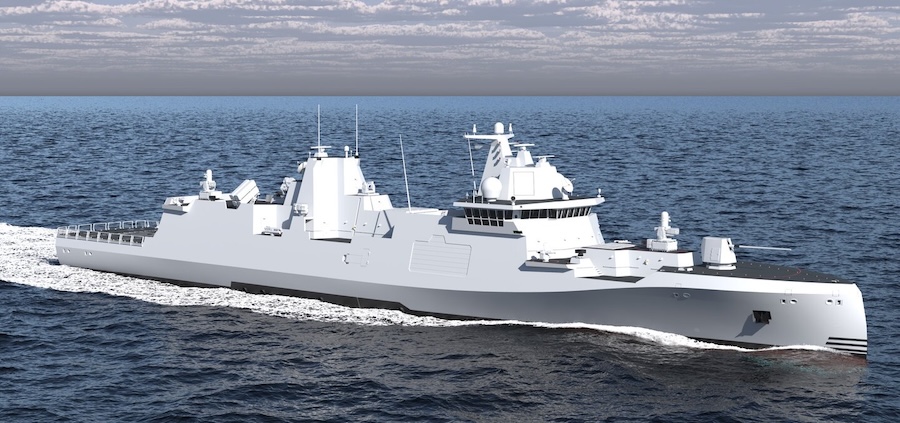
Chief Executive Officer Armin Papperger said the GMF 140 could integrate the Aegis combat system and CMS 330 through cooperation with Lockheed Martin. Rheinmetall has not identified the countries involved in the discussions and has yet to announce a customer.
“We are in negotiations with different customers,” Papperger told analysts during Rheinmetall’s second-quarter 2026 earnings call. “At the moment, there is nothing official, therefore, I cannot speak about the nations by themself.”
The GMF 140 would have a top speed of 30 knots and operate with a crew of around 90. Rheinmetall is positioning the ship for complex threat environments requiring several air and maritime warfare capabilities on a single platform.
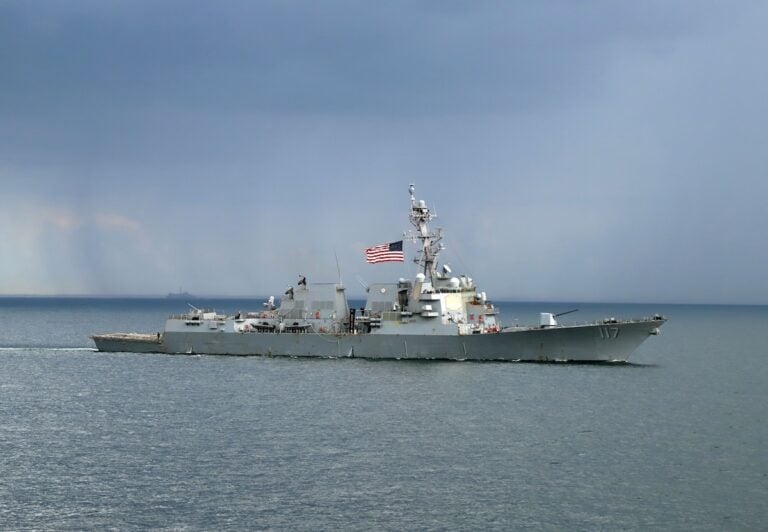
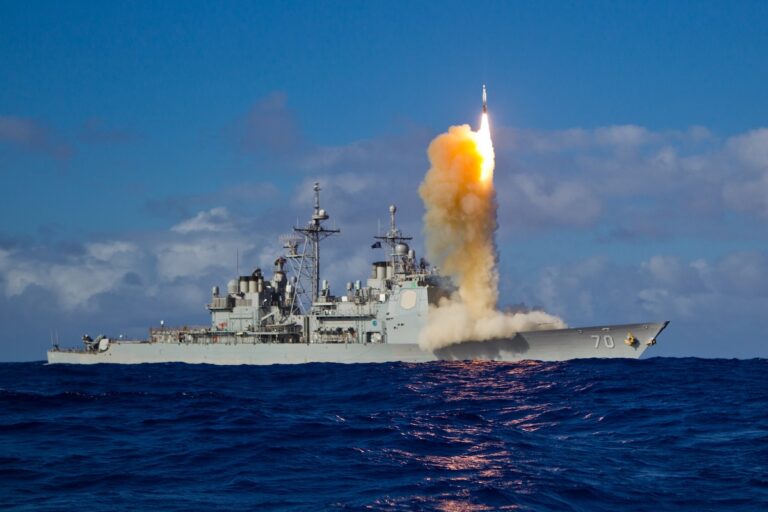
“It is possible to integrate the Aegis combat systems and the CMS 330 where we in cooperation with Lockheed Martin in that program,” Papperger said. He described the design as a suitable standard for international customers.
Rheinmetall began designing the frigate about a year ago, before the German government decided not to proceed with the F126 contract expected by the company. Papperger stressed that the GMF 140 had not been developed in the five months since Rheinmetall expanded its naval operations.
The F126 decision prompted Rheinmetall to cut its 2026 sales forecast by approximately €300 million. It also left the company seeking additional programmes to maintain workloads at its shipyards.
Rheinmetall expects to pursue German opportunities involving minesweepers and unmanned ships alongside international sales of the GMF 140. Papperger said those programmes could help compensate for the F126 setback over the longer term, although the lost revenue cannot be replaced immediately.
The CEO said initial feedback on the GMF 140 had been positive because Rheinmetall consulted potential customers before beginning development. He also indicated that the frigate would be offered at a price below what many prospective buyers might expect, while still supporting the company’s profitability targets.
“This frigate will be in a price level, which is much better or lower price than most of the people expect, but you still can have margins,” Papperger said. Rheinmetall plans to use production methods employed elsewhere in the group, including automated welding, to control manufacturing costs.
The company continues to target naval sales of as much as €5 billion by 2030 and a profitability level of around 15%. Papperger said Rheinmetall’s medium- and long-term naval strategy remained unchanged despite the F126 decision.
Rheinmetall has not ruled out offering the GMF 140 to Germany, but Papperger said any assessment of the design as an alternative for the German Navy would be a customer decision. The company is also cooperating with TKMS on the F127 programme.