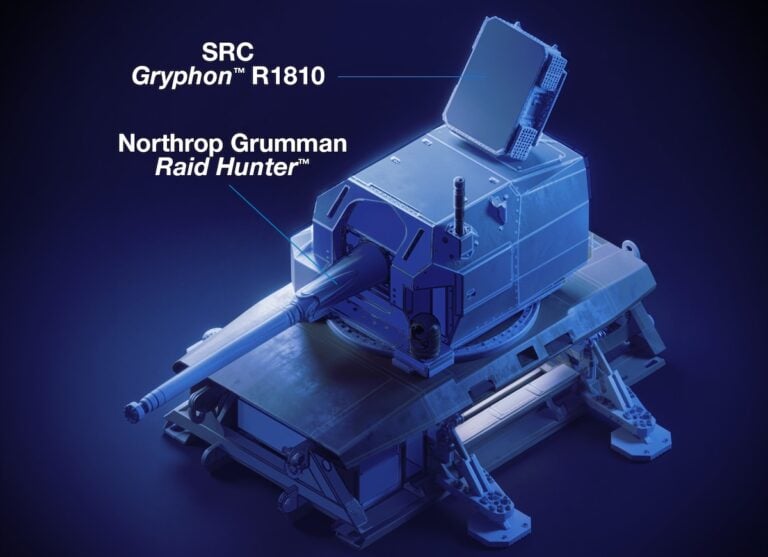
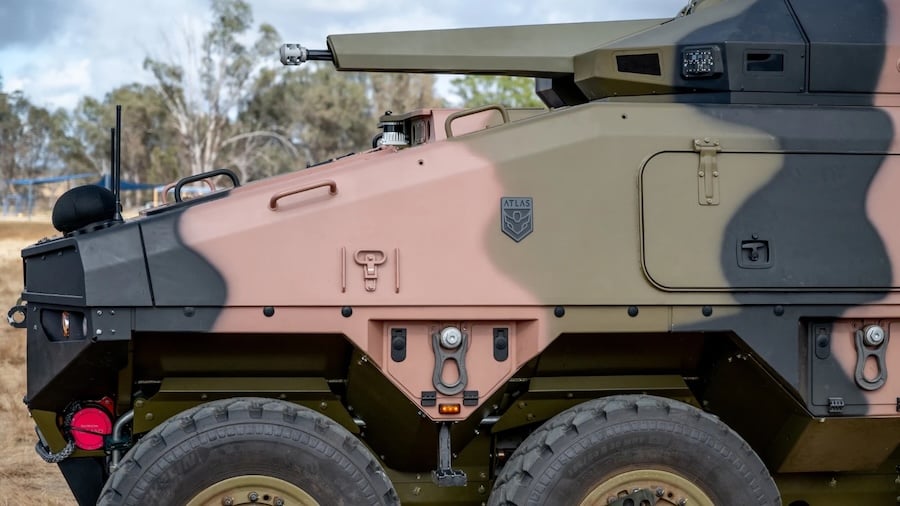
The Automatic Target Detection, Tracking and Classification System, known as ATTCS, is intended for integration with ATLAS, the VANTAGE automated turret and existing platforms. Its proposed functions include passive target detection and tracking, local situational awareness and the detection and tracking of unmanned aircraft.
“By combining the expertise we have built locally with the strengths of trusted global partners, we are delivering advanced autonomous systems that provide capability to our customers at pace,” said Kisa Christensen, director of integrated defence and autonomy systems at BAE Systems Australia. “We’re working together with our Canadian supplier to deliver speed to capability in record-breaking time.”
Early in the deployment, object tracking fell short of expectations and false positives rose when the system encountered an unfamiliar environment. The team recalibrated the sensor rig, adjusted algorithmic settings and patched a software fault affecting target thumbnails with support from TerraSense engineers in Canada.
“The system was integrated with partner platforms and tested against real operational challenges,” said Cornell P. Pich, TerraSense’s vice-president of business development. “The joint team was able to identify issues, refine the system and improve performance in the field.”
The sensor rig remained operational during testing in temperatures reaching 35°C, hail and heavy rain, with bushfire warnings also in effect. BAE Systems Australia said ATTCS was running smoothly by the end of the deployment and that the results would inform further system refinement and future project phases.
BAE Systems Australia launched the 8×8 ATLAS CCV in September 2024 and reported successful testing of its autonomous driving system in February 2026. The vehicle is designed to operate independently of crewed vehicles and keep pace with a range of military vehicles on and off road.